
News
Zirconia Ball: Applications and Features Overview
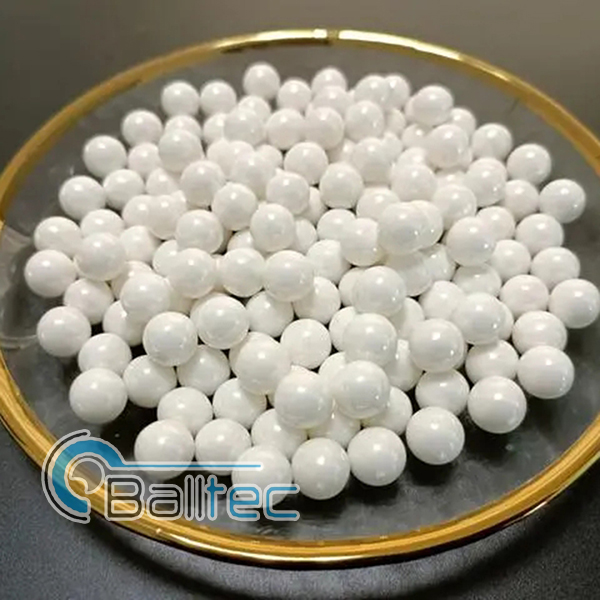
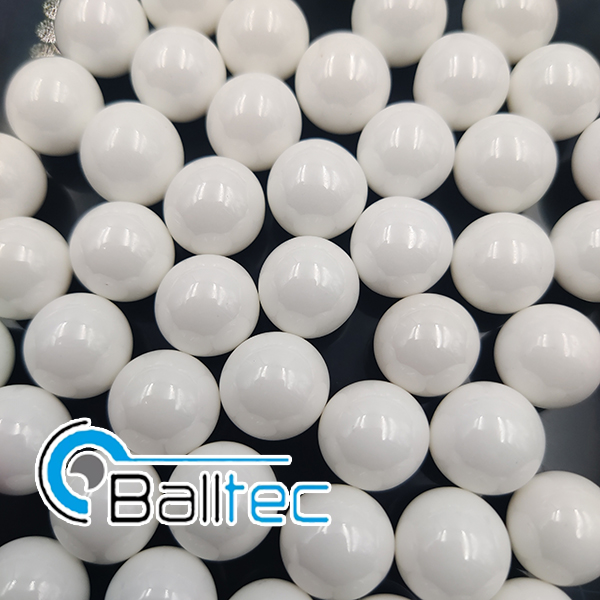
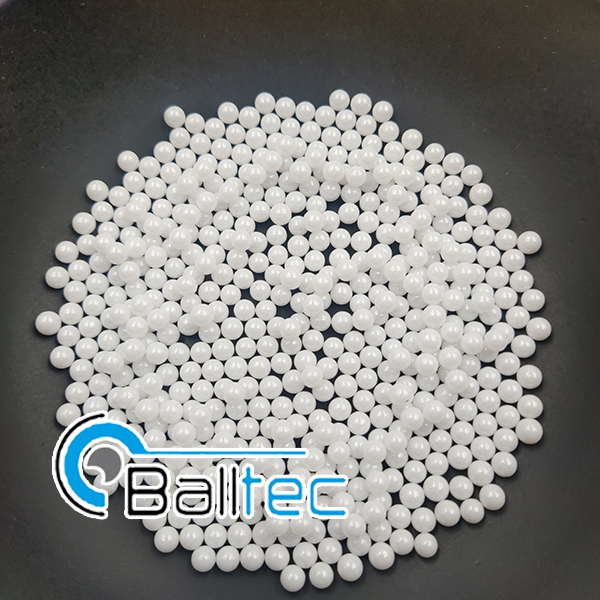
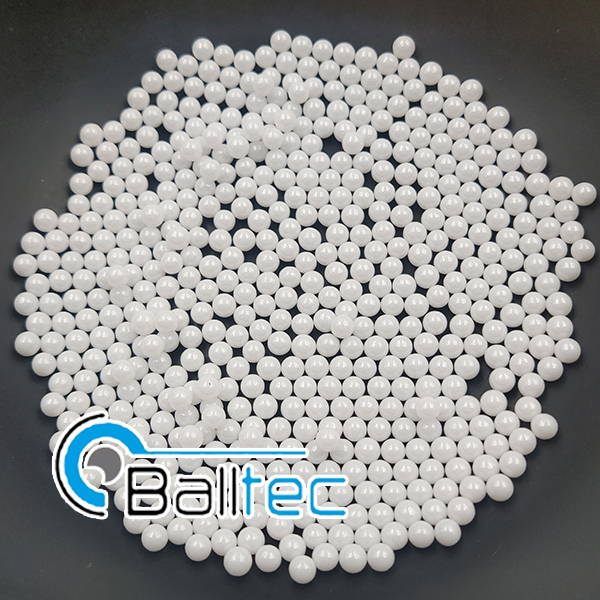
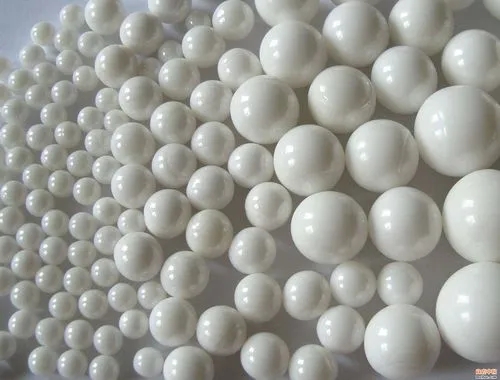
Zirconia Ball, made primarily from zirconium dioxide (ZrO₂), is a high-performance ceramic ball. Zirconia (ZrO₂) is a material known for its high hardness, wear resistance, and corrosion resistance. Zirconia balls are widely used in applications that demand high strength and durability, owing to their superior mechanical properties and excellent resistance to chemical attacks.
Introduction to Silicon Nitride Ceramic Bearing Balls
Silicon nitride ceramic bearing balls, made from high-purity silicon nitride (Si₃N₄) powder through processes like hot isostatic pressing (HIP) and precision grinding, are advanced structural ceramic components widely used in high-performance bearing systems. Unlike traditional steel bearing balls, their unique material composition endows them with exceptional properties that meet demanding industrial needs.
The Influence of Different Grinding Times on the Dispersion Effect of Water-Based Inks
Water-based inks, composed of colorants (pigments), binders, dispersants, and deionized water, rely heavily on the uniform dispersion of pigment particles to achieve stable performance (e.g., color consistency, gloss) and printability. Grinding is the core process that breaks pigment agglomerates into primary particles and distributes them evenly in the aqueous phase.
Chemical Properties of Zirconia Beads: A Comprehensive Overview
Zirconia beads, primarily composed of zirconium dioxide (ZrO₂), are widely used in various industrial applications due to their unique chemical properties. This article delves into the fundamental chemical characteristics of zirconia beads, exploring their reactivity, stability, and interaction with different substances.
The Impact of Zirconia Bead Particle Size on Ink Grinding
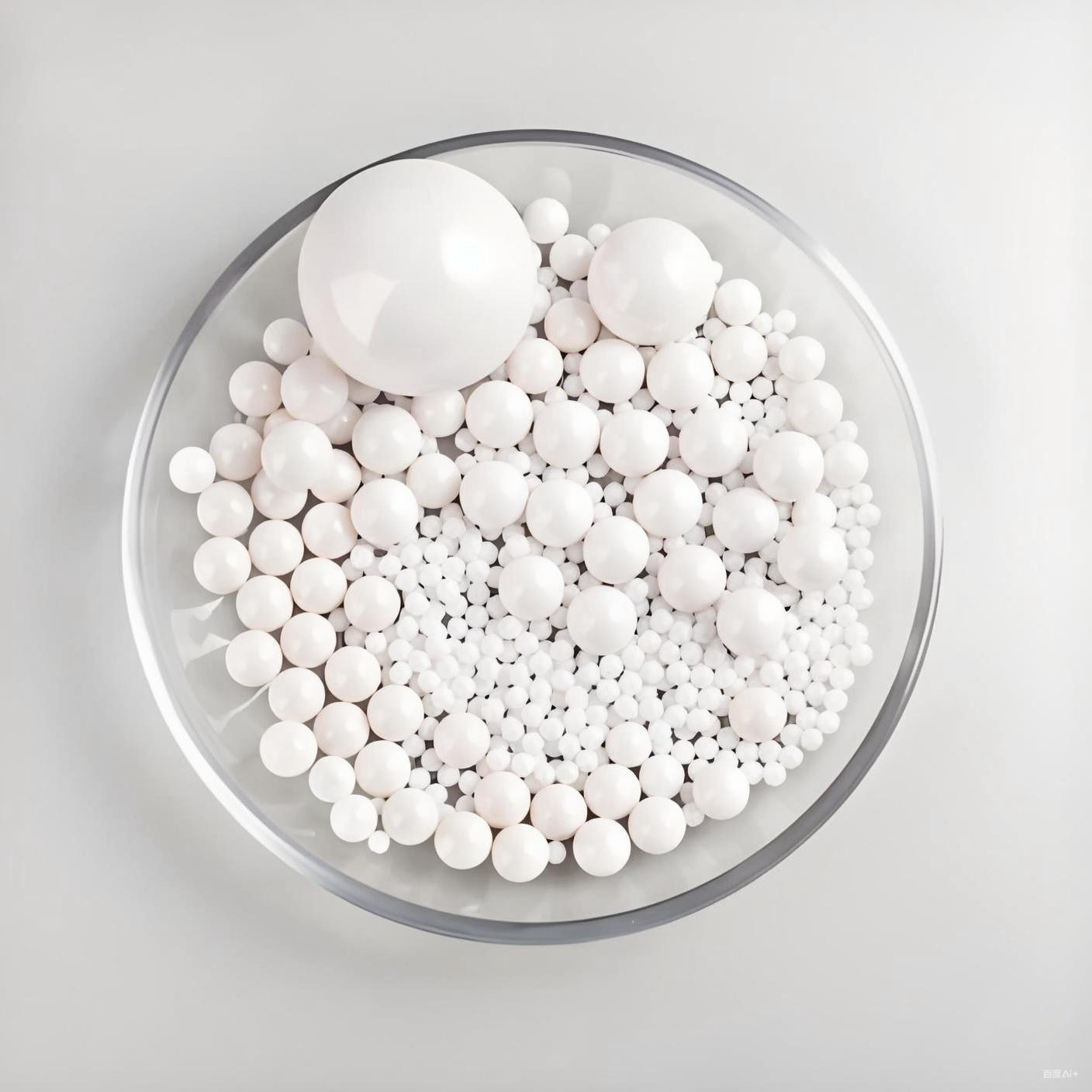
Small-sized zirconia beads, typically in the range of 0.1-0.5mm, offer certain advantages in ink grinding. Due to their small particle size, they provide a large specific surface area, resulting in more contact points with the ink particles. This increased contact leads to more frequent collisions and shear actions, which are beneficial for achieving ultra-fine grinding of the ink. They are particularly suitable for grinding inks that require very fine pigment particles, such as those used in high-resolution printing. However, small-sized beads also have drawbacks. The small size means that they have lower individual impact energy, so the grinding process may take longer to achieve the desired particle size. Moreover, their small size makes them more prone to wear, increasing the risk of contamination of the ink with bead fragments and raising the cost of bead replacement.
The Grinding Principle of Planetary Ball Mills
Planetary ball mills represent a class of high - efficiency grinding equipment widely utilized in materials science, geology, chemistry, and other fields. Their exceptional grinding performance stems from a unique working mechanism that combines rotational and revolutionary motions, enabling the effective reduction of material particle sizes to micrometer or even nanometer scales.