News
Optimal Zirconia Bead Size for Bacterial Grinding
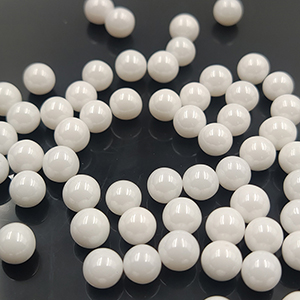
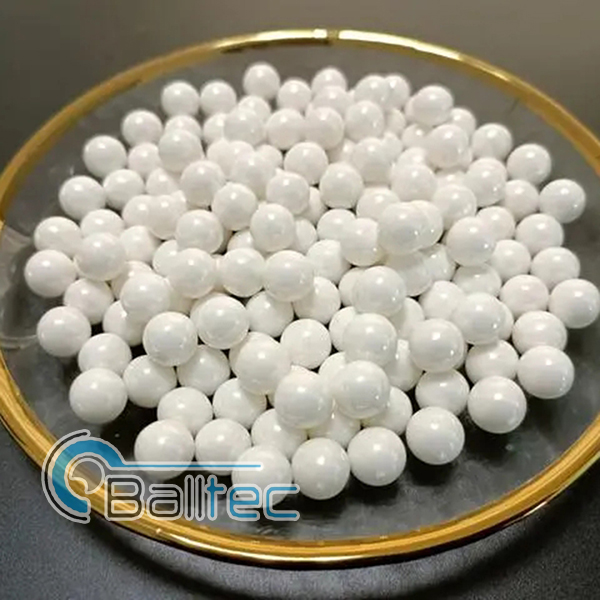
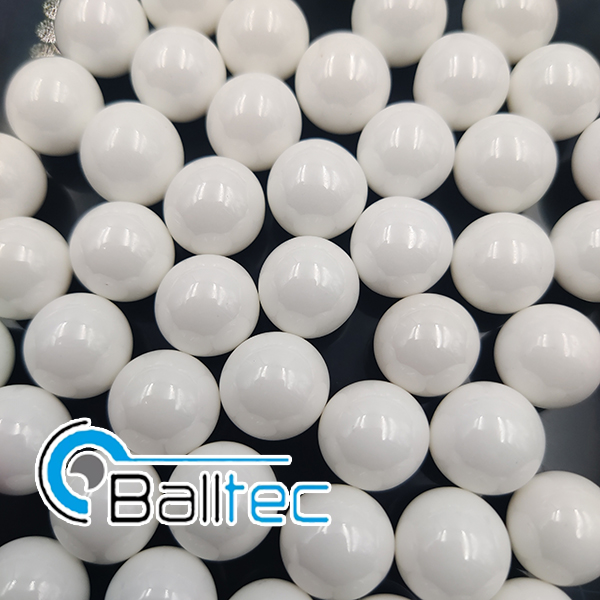
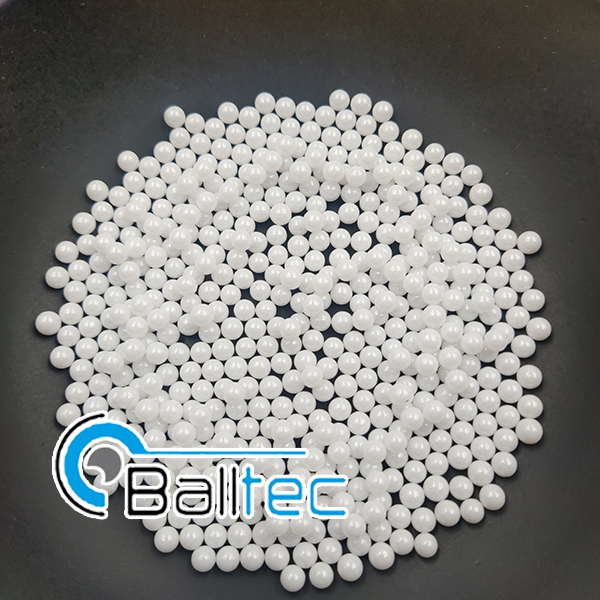
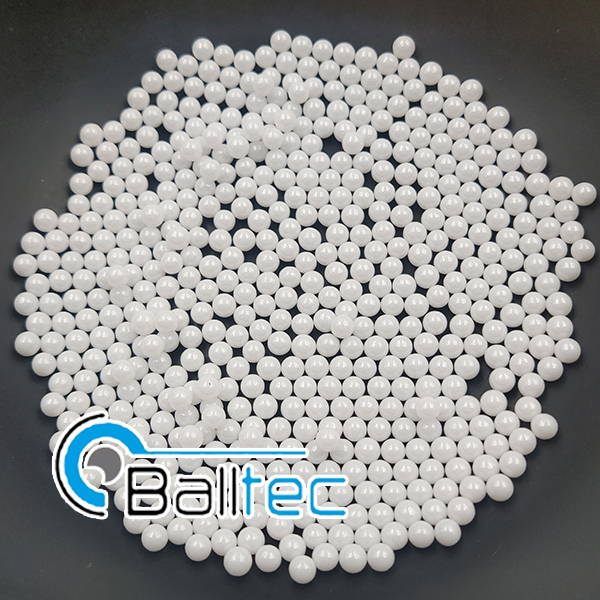
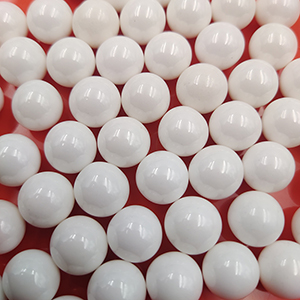
Bacterial grinding is a critical step in microbiological research, facilitating the extraction of intracellular components such as nucleic acids, proteins, and metabolites. Zirconia beads, renowned for their high hardness, chemical inertness, and minimal contamination risk, are widely used as grinding media in this process. The selection of bead size directly impacts grinding efficiency, cell disruption completeness, and the integrity of target analytes. This article focuses on determining the optimal zirconia bead size for bacterial grinding, considering bacterial structural characteristics and practical operational requirements.
How to Choose Grinding Beads for Tissue Grinding
Tissue grinding is a critical step in biological and medical research, as well as in pharmaceutical development. It involves disrupting tissue structures to release intracellular components such as proteins, nucleic acids, and metabolites. The choice of grinding beads directly affects the efficiency of tissue disruption, the integrity of target analytes, and the reproducibility of experimental results. Selecting the right grinding beads requires consideration of multiple factors, including bead material, size, hardness, and density, all of which must align with the specific characteristics of the tissue sample and the research objectives.
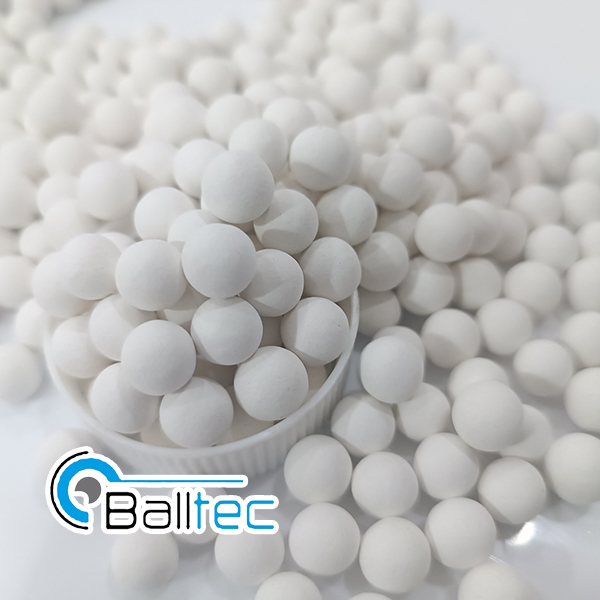
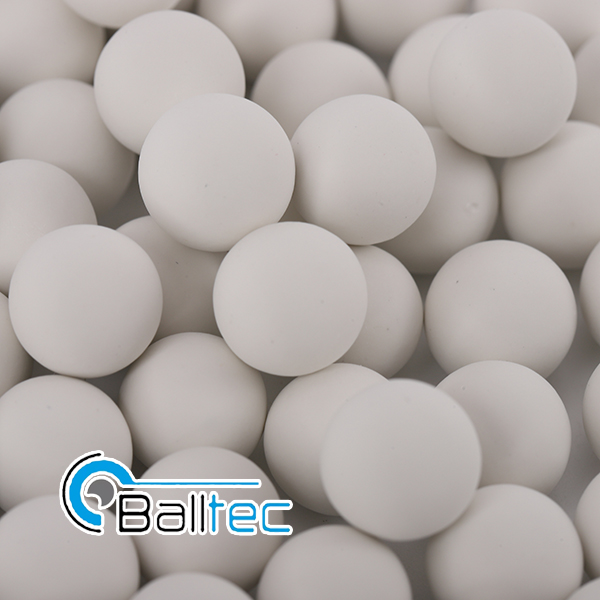
The difference between zirconia beads and alumina balls
Density and weight of zirconia beads
Zirconia Bead Grit Polishing Schedule