
News
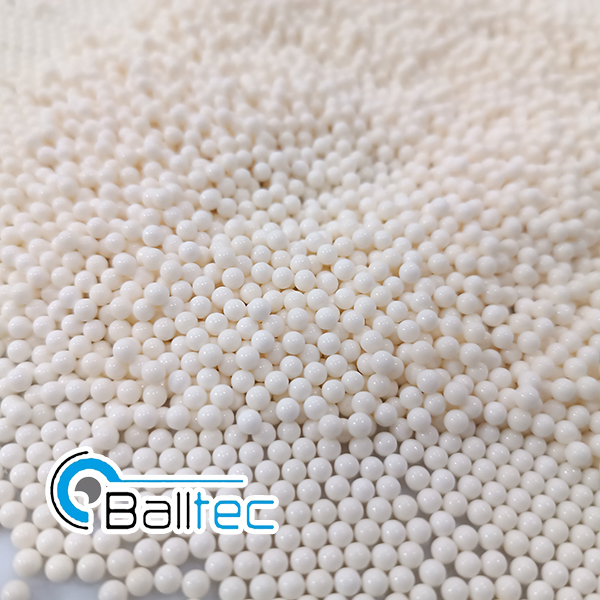
Are the alumina grinding balls suitable for ultra-fine grinding?
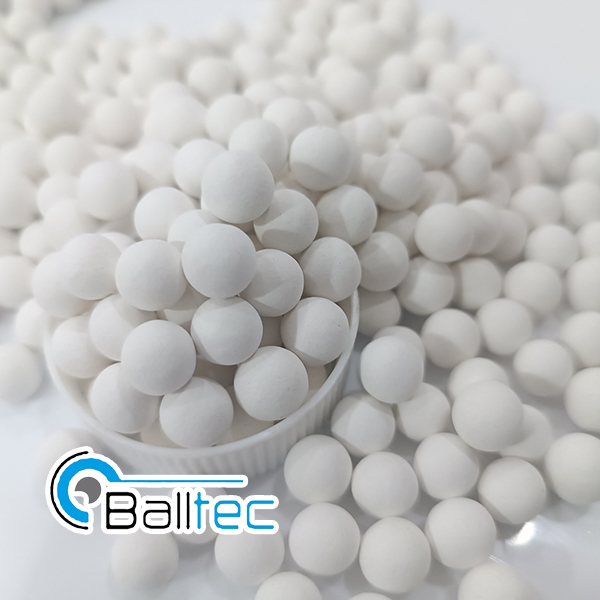
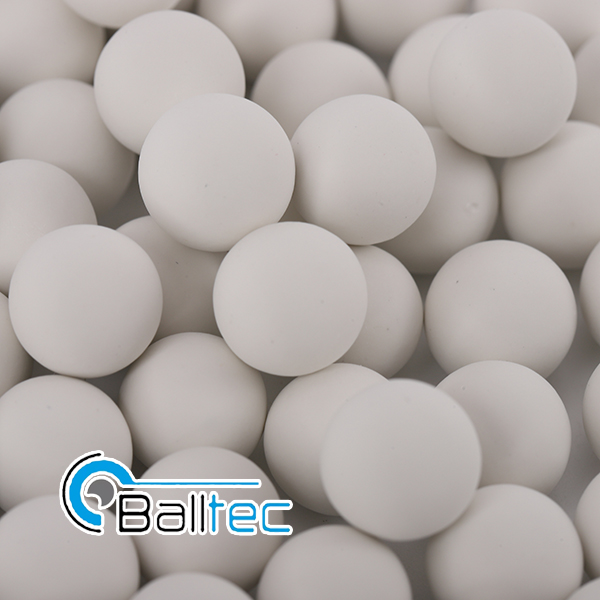
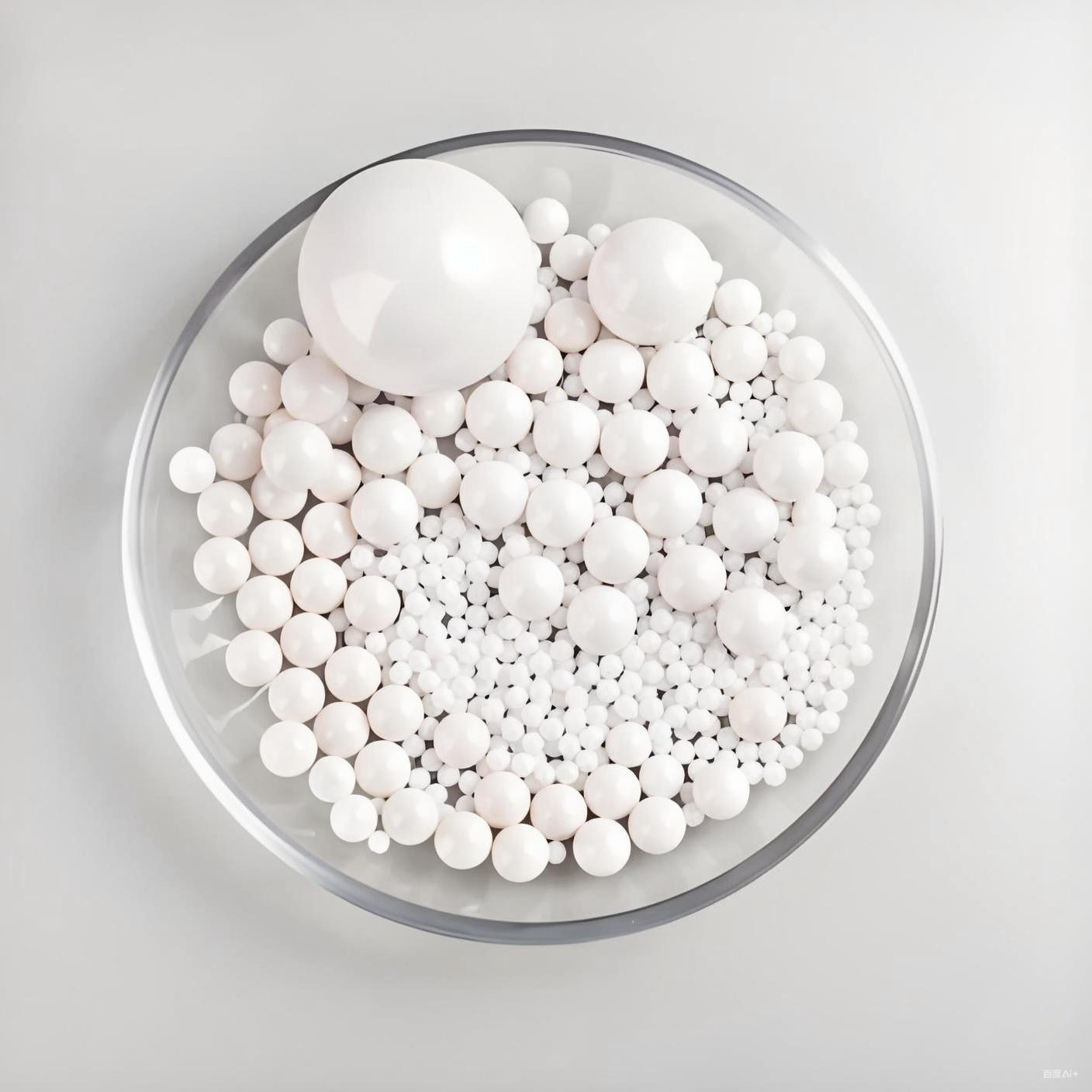
Part of alumina balls are suitable for ultra-fine grinding. Whether they can meet the requirements mainly depends on their purity, particle size, specific grinding materials and target fineness.
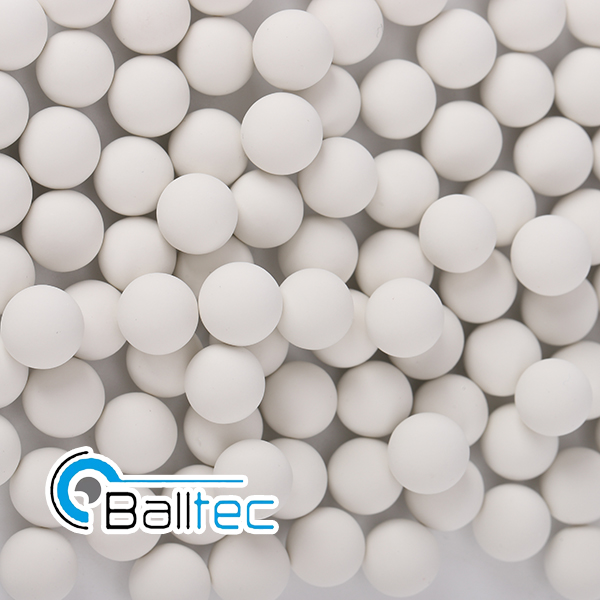
The Characteristics and Applications of Alumina Balls
1.Used as Ceramic Material
Spherical micro-powder exhibits excellent press-forming and sintering properties, which are highly beneficial for producing high-quality ceramic products.
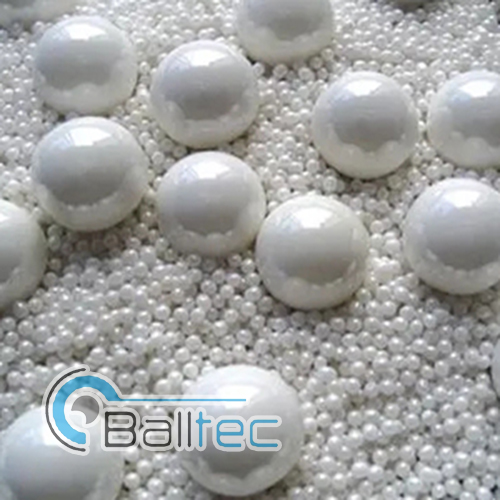
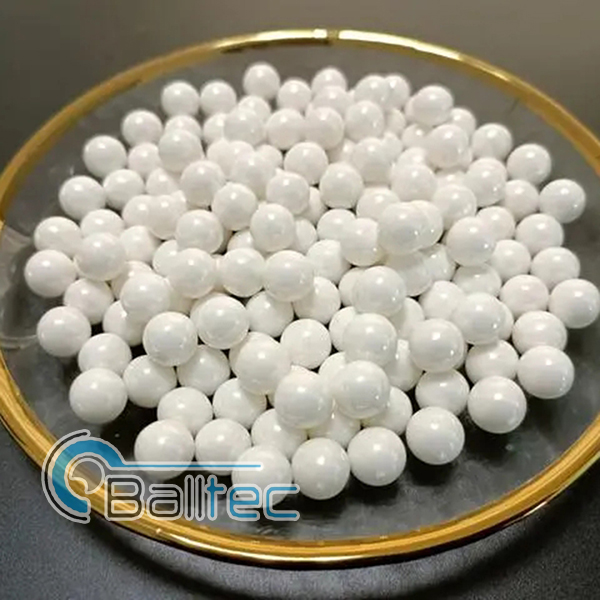
Three Manufacturing Methods of Zirconia Beads
There are three main manufacturing methods for zirconia beads:
Compression Molding, Rolling Granulation, and Droplet Formation
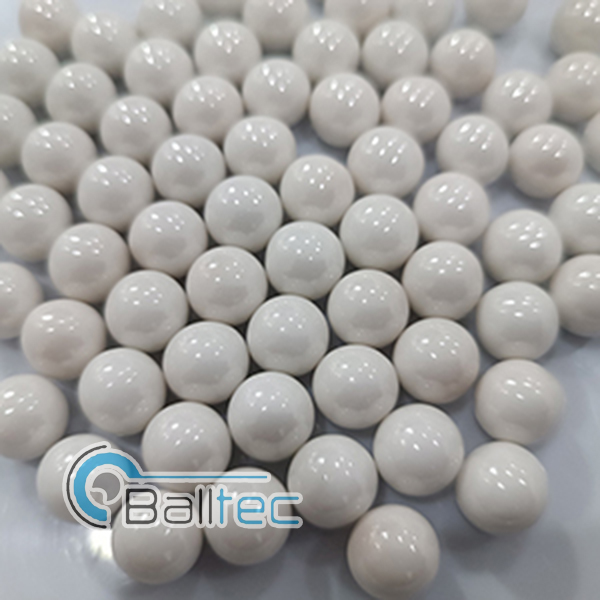
The differences between 95% zirconia beads and 65% zirconium balls
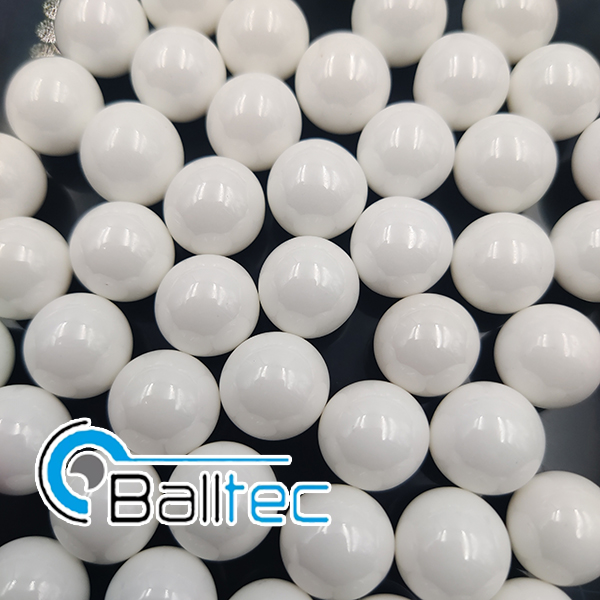
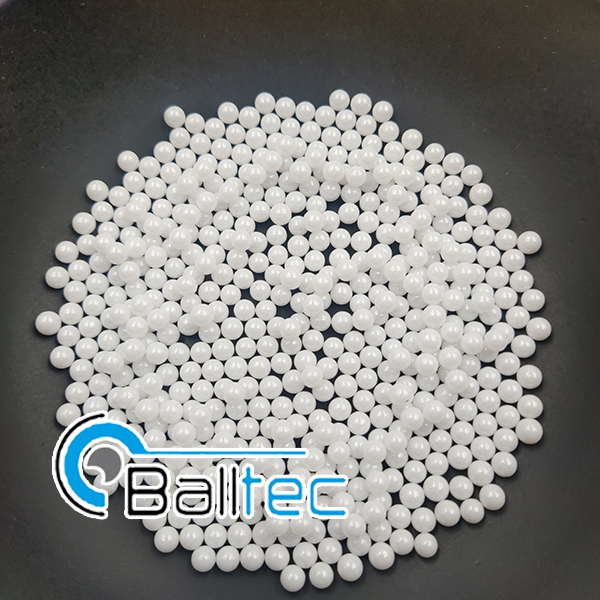
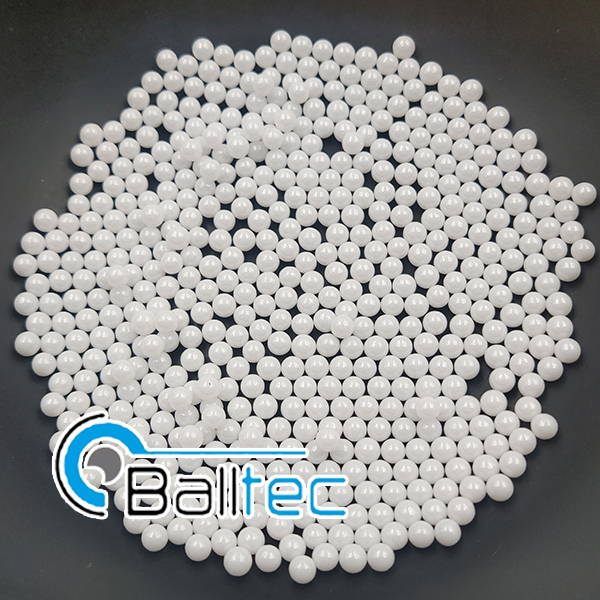
Translation of Zirconia Beads vs. Zircon Silicate Beads Sometimes zirconium silicate is also called zirconia, because zirconium silicate beads are also known as 65 zirconia beads with a zirconia content of 65%. Zirconia beads are generally 95 zirconia beads with a zirconia content of 95%.
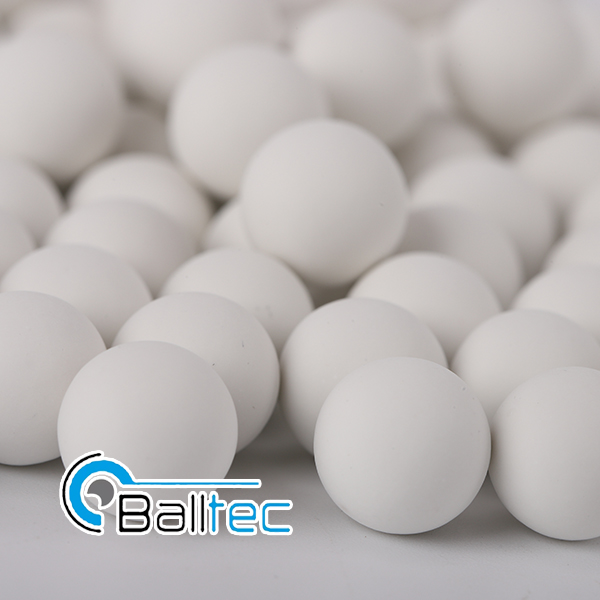
How are alumina balls formed?
1. Dry Isostatic Pressing. Dry isostatic pressing is currently an advanced forming method for alumina balls, easily enabling automated production with minimal human interference. The consistency of green body shape and appearance is superior to that of wet-bag cold isostatic pressing.
Can zirconia beads be reused?
https://aiwebfifj0p.cmerweb.com/zro2-zirconia-ceramic-ball-beads-for-polishing-product/https://aiwebfifj0p.cmerweb.com/zro2-zirconia-ceramic-ball-beads-for-polishing-product/Zirconia beads can be used in ball mills, sand mills, star ball mills, tissue grinders, and centrifugal polishers, with functions including grinding, dispersing, and mirror polishing. Zirconia beads have high strength and wear resistance.