
News
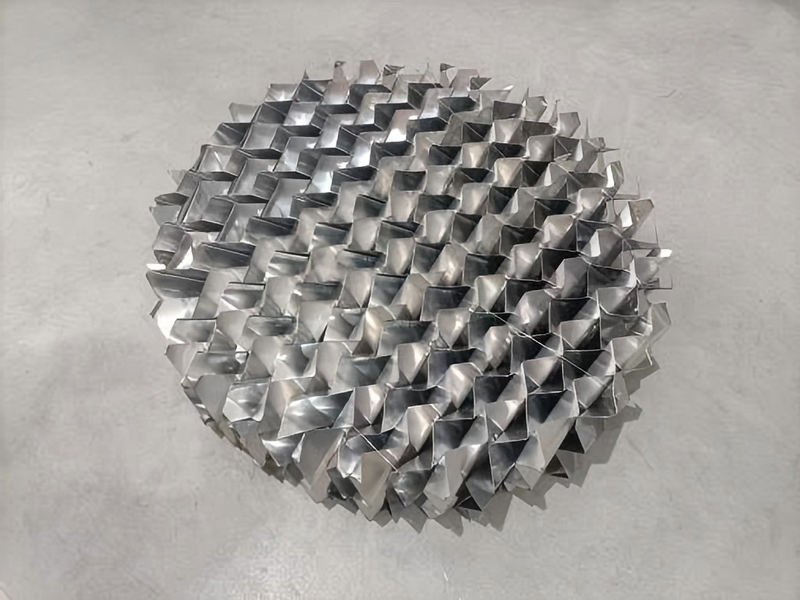
The Advantages And Disadvantages Of Structured Packing
Advantages: high mass transfer efficiency: the surface of regular packing has regular morphology and geometric characteristics, large surface area and high porosity, which can provide a large mass transfer interface.
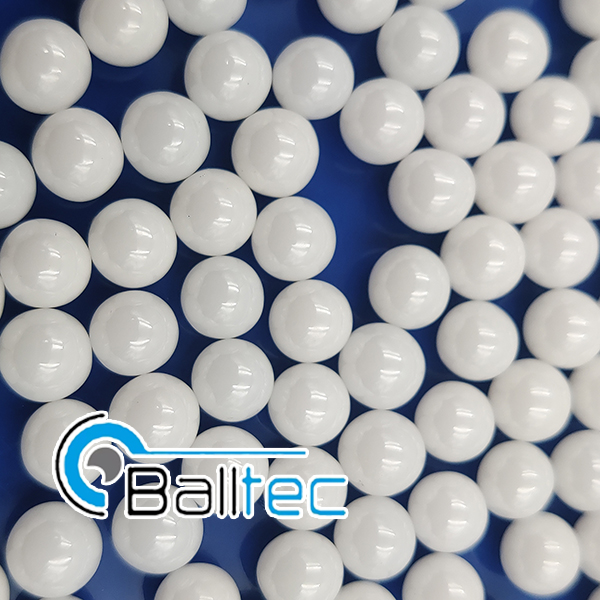
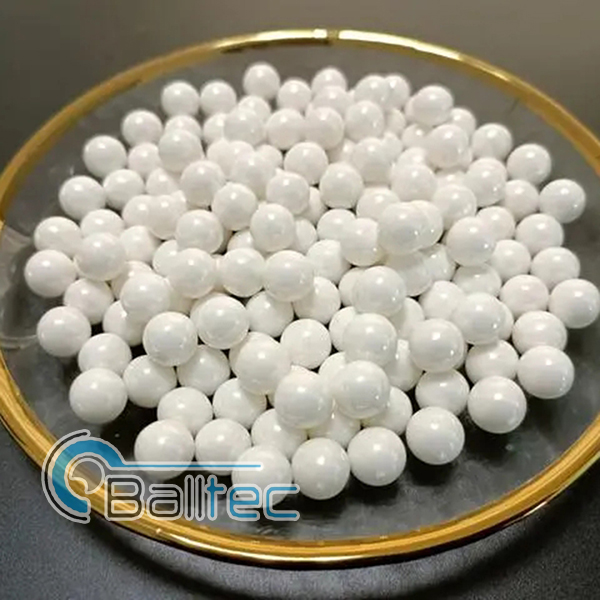
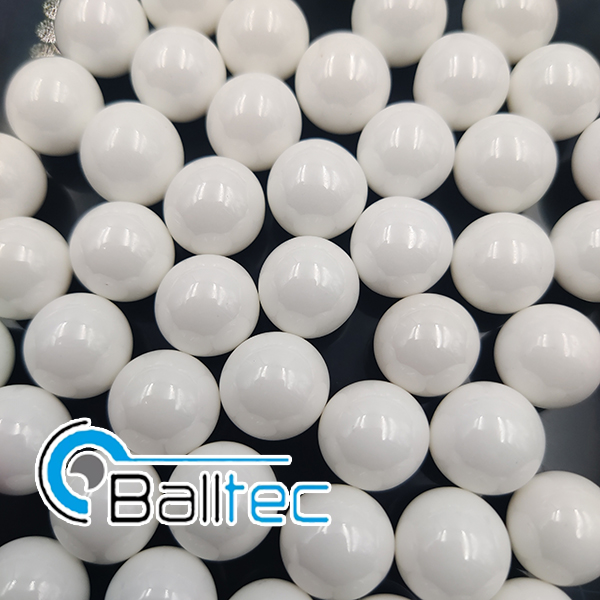
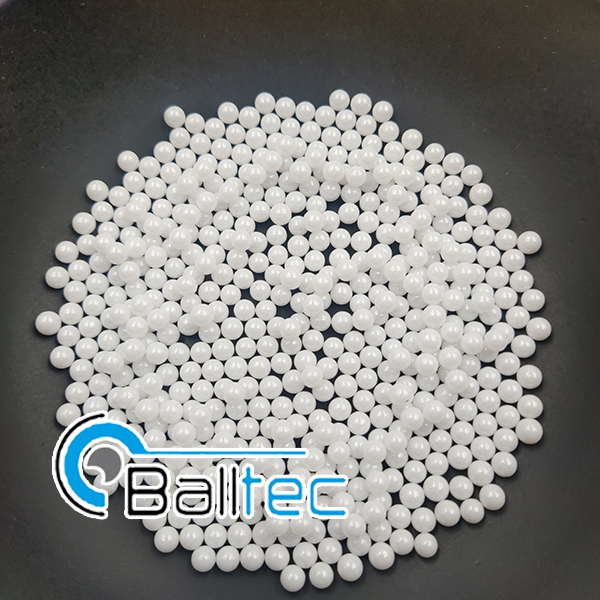
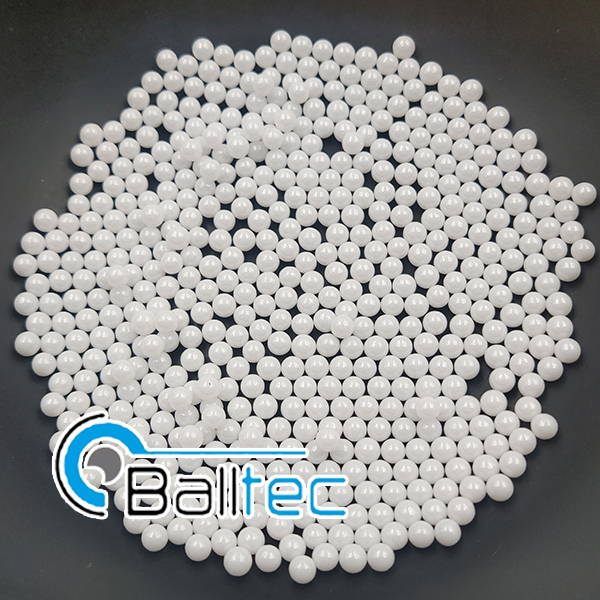
Precautions for the Use of Zirconia Beads
Zirconia ceramic is a new and technologically advanced high-performance ceramic material. It not only features high strength, high hardness, high temperature resistance, acid and alkali corrosion resistance, and excellent chemical stability, but also exhibits outstanding scratch and wear resistance, flawless appearance, and good thermal conductivity. In addition, zirconia ceramic is easy to process, can achieve an excellent surface finish, and is very suitable for mass production.
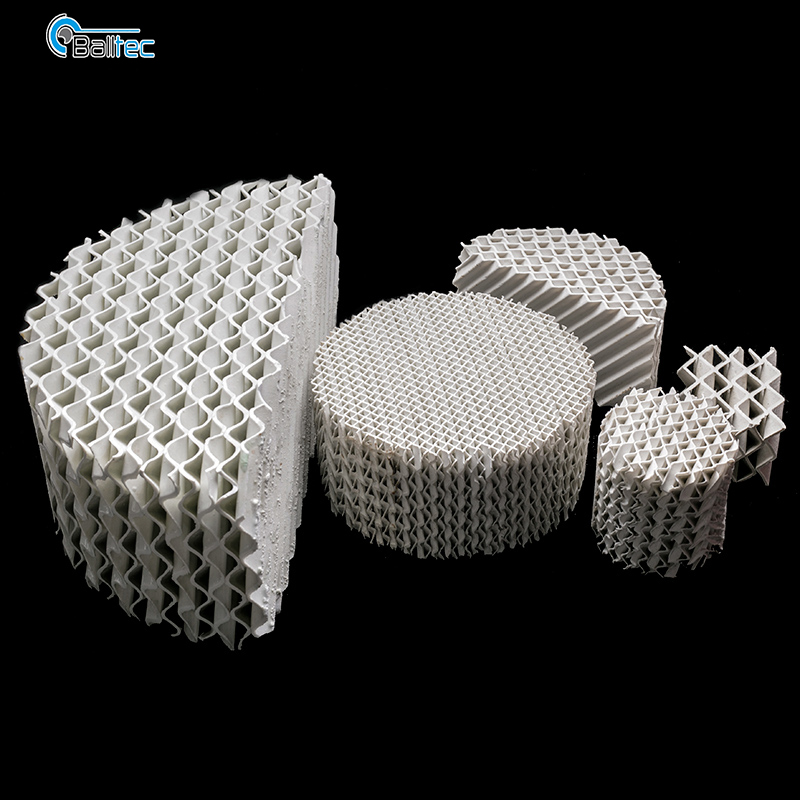
Comparison between Ceramic Corrugated Packing and Metal Structured Packing
Ceramic corrugated structured packing is mainly made of silicoaluminate acid-resistant and chemically corrosion-resistant ceramic material, which can withstand temperatures up to 1300℃, with an operating temperature range of down to -100℃.The product features strong chemical corrosion resistance: it can resist all inorganic acids, organic acids, acidic gases and neutral gases except hydrofluoric acid (HF).
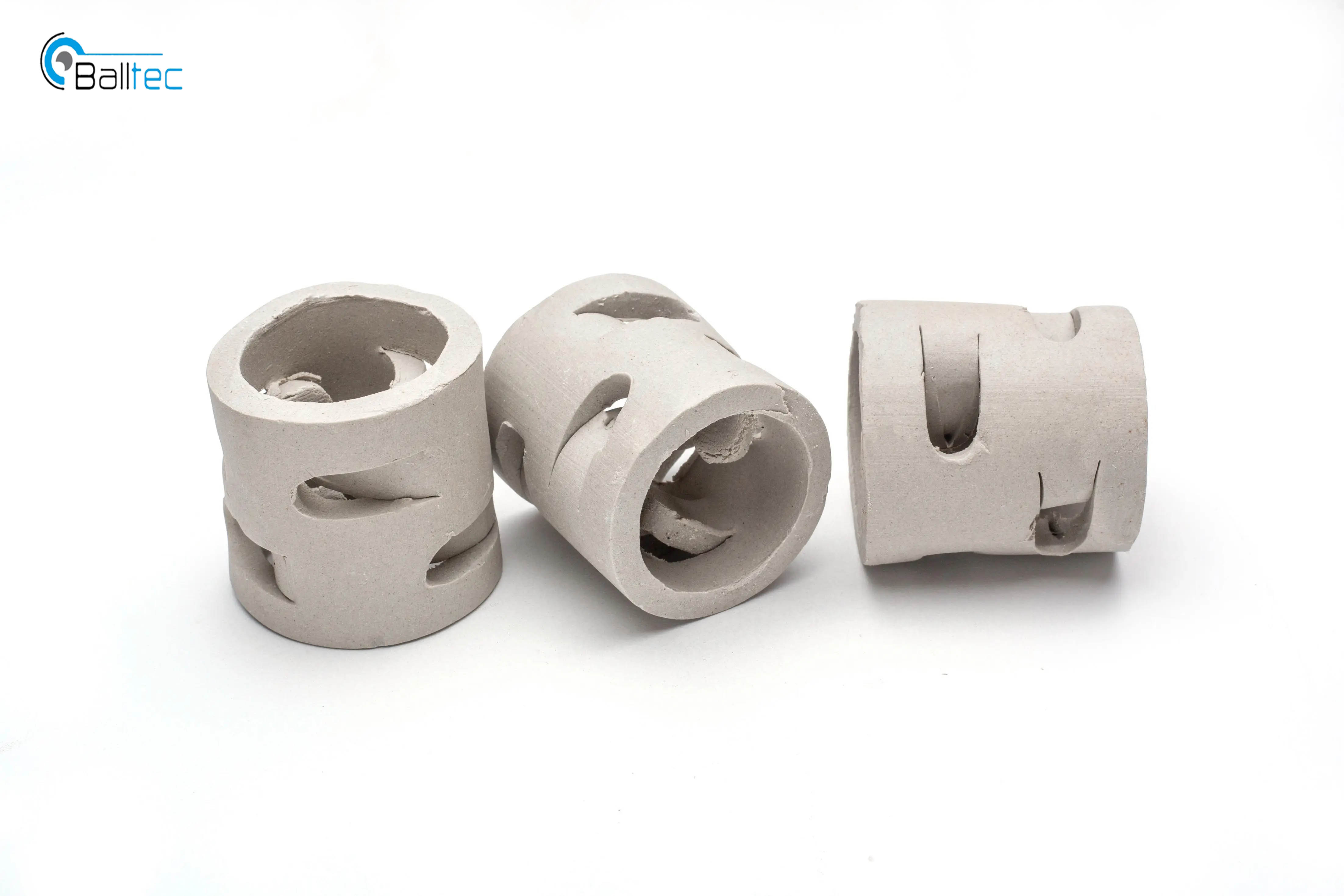
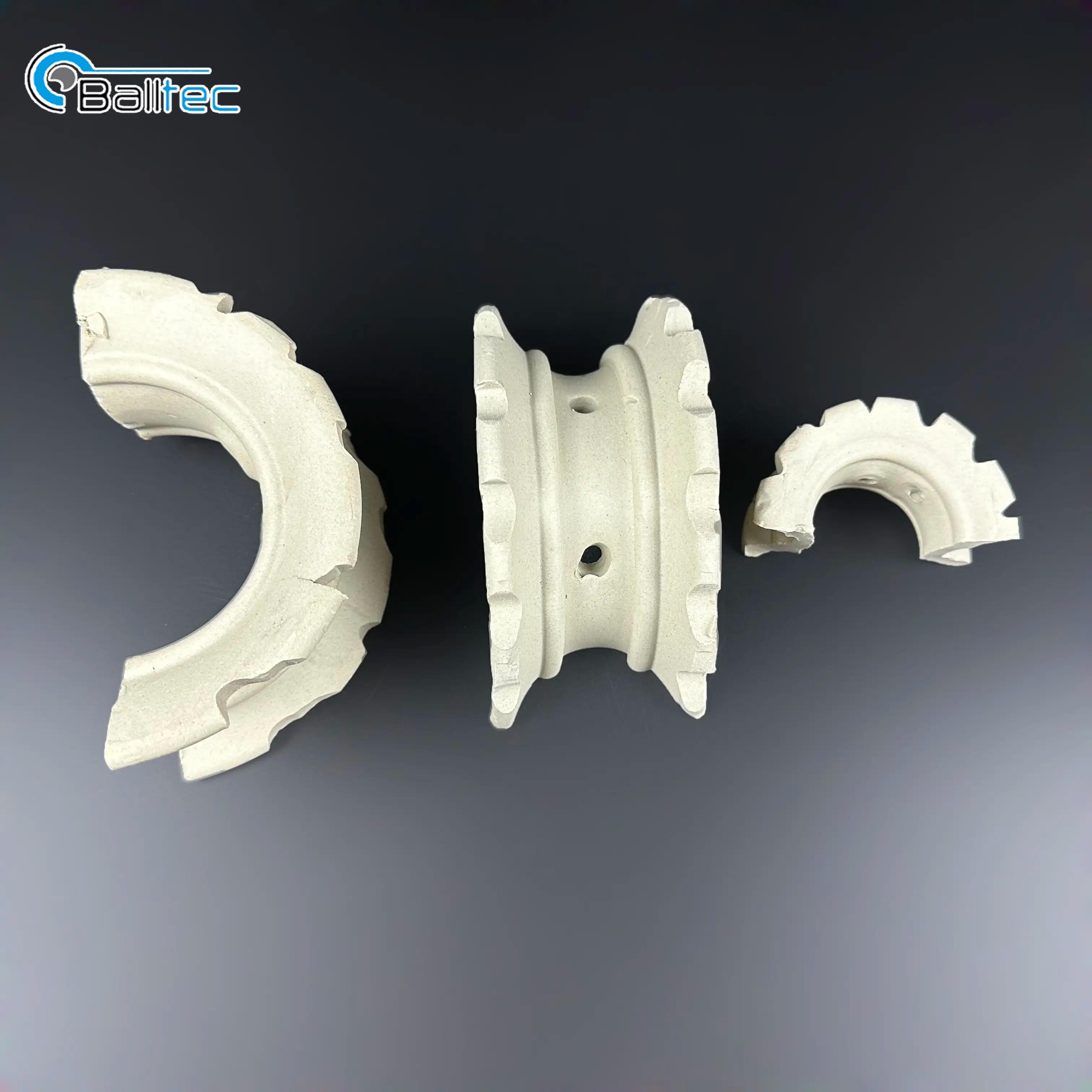
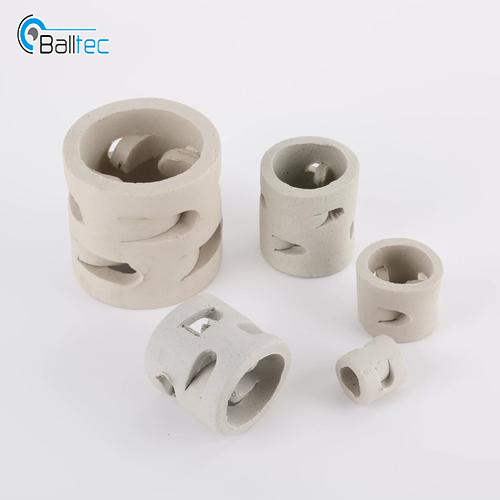
Installation Method of Ceramic Pall Ring Packing
How to install ceramic Pall ring packing to improve working efficiency. What precautions should be taken during installation to avoid damage to ceramic packing? Jiangxi Aite Mass Transfer Co., Ltd. introduces the installation method of ceramic packing to you.
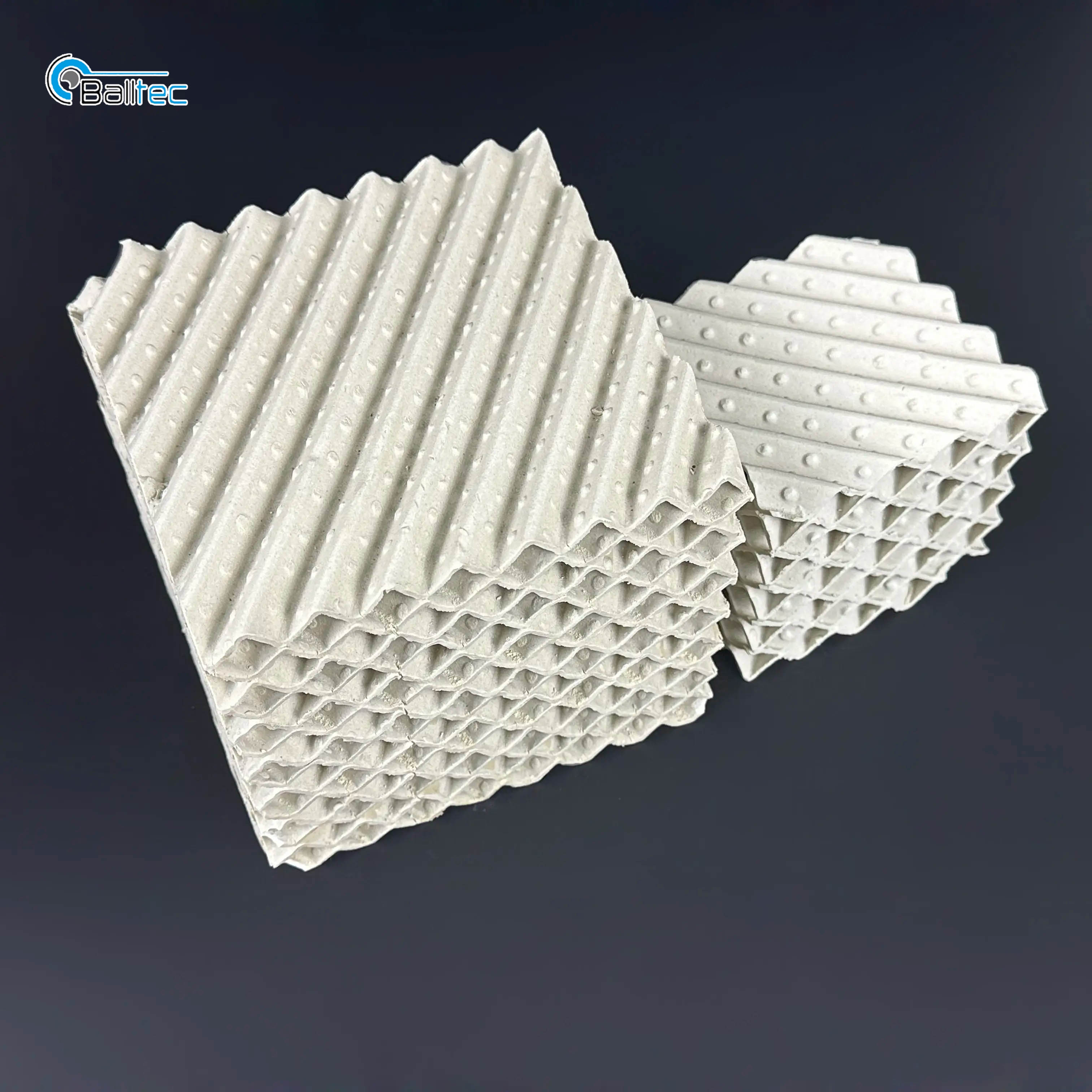
Performance Characteristics of Ceramic Corrugated Packing
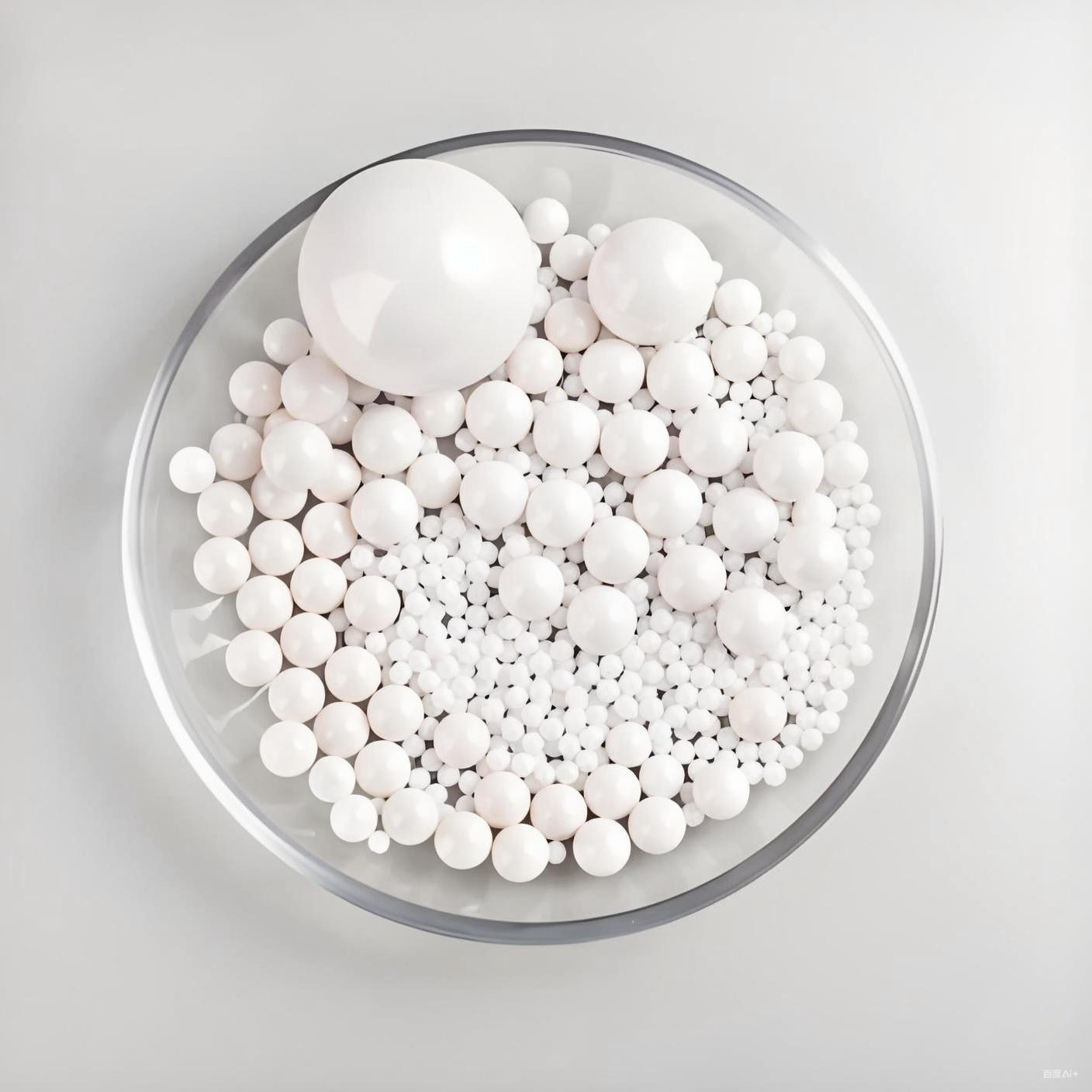
Ceramic corrugated packing features high specific surface area, good thermal stability, strong corrosion resistance, high mechanical strength, long service life, wear resistance, excellent mass transfer performance and structural stability.
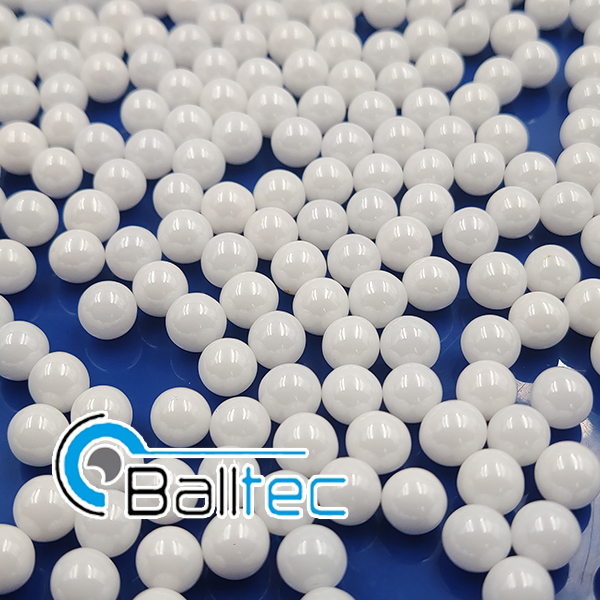
What impacts will powder agglomeration cause?
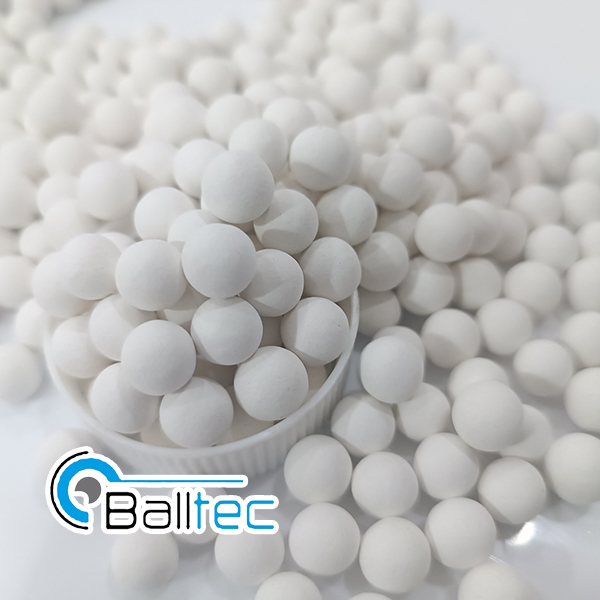
Powder agglomeration is a common problem in the ceramic preparation process, which exerts an adverse impact on the performance and quality of ceramic products. The occurrence of agglomeration is mainly caused by the intermolecular forces between particles, such as van der Waals forces, which lead to the aggregation of particles into clusters. The formation of agglomerates reduces the fluidity, dispersibility, and sintering activity of ceramic powders, thereby affecting the sintering performance, mechanical properties, and microstructure of ceramics. The impacts of powder agglomeration on ceramic products are mainly reflected in the following aspects: