
News
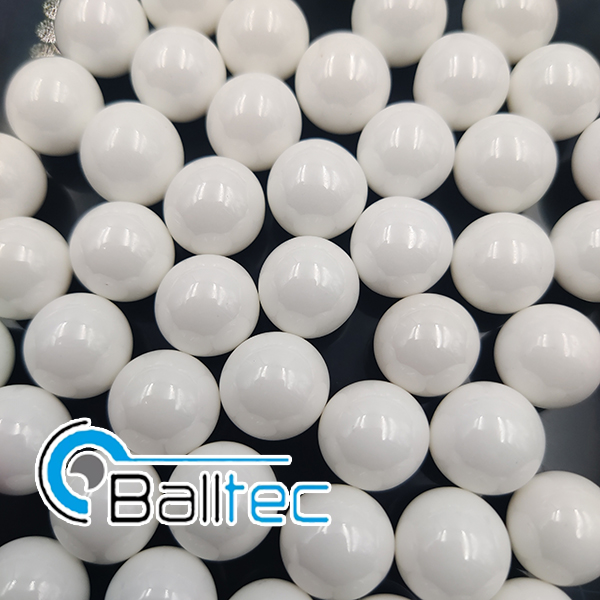
Causes of Powder Adhesion to the Wall and Sedimentation Agglomeration in Planetary Ball Mill Jars
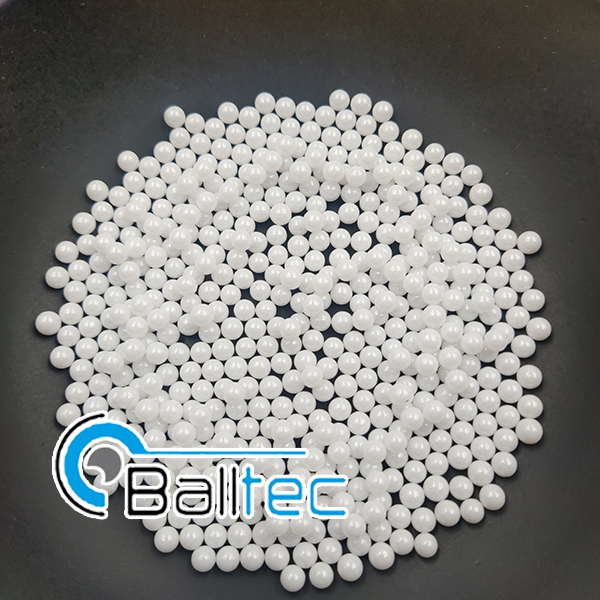
For planetary ball mills, we usually classify the ground particle size distribution into the following grades: millimeter-micron (3 mm–10 μm), submicron (10 μm–3 μm), and nanometer (3 μm–1 nm). Generally, the grinding process from millimeter to micron proceeds very smoothly, which can be achieved rapidly by using zirconia beads of 15 mm, 10 mm, and 5 mm. However, grinding from the micron to submicron and further to the nanometer scale presents certain challenges, accompanied by the phenomenon that the powder adheres tightly to the inner wall of the grinding jar or agglomerates at the bottom. The reasons are as follows:
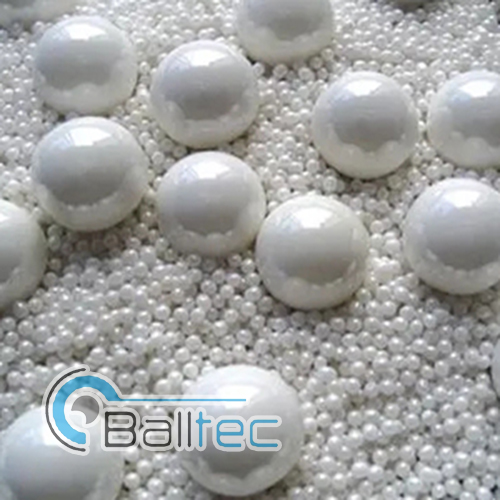
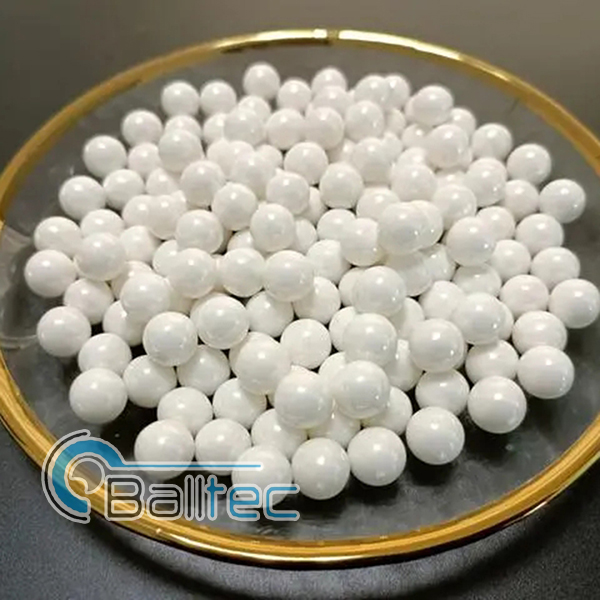
Effects of Zirconia Grinding Ball Mass Ratio and Ball-to-Powder Ratio on Milling Performance
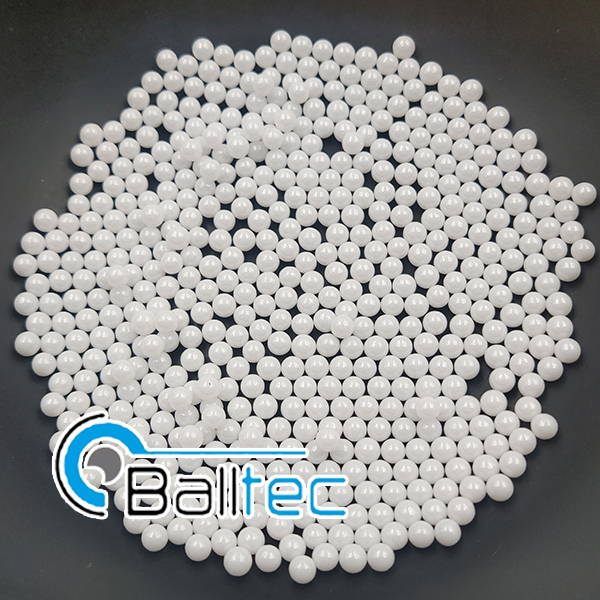
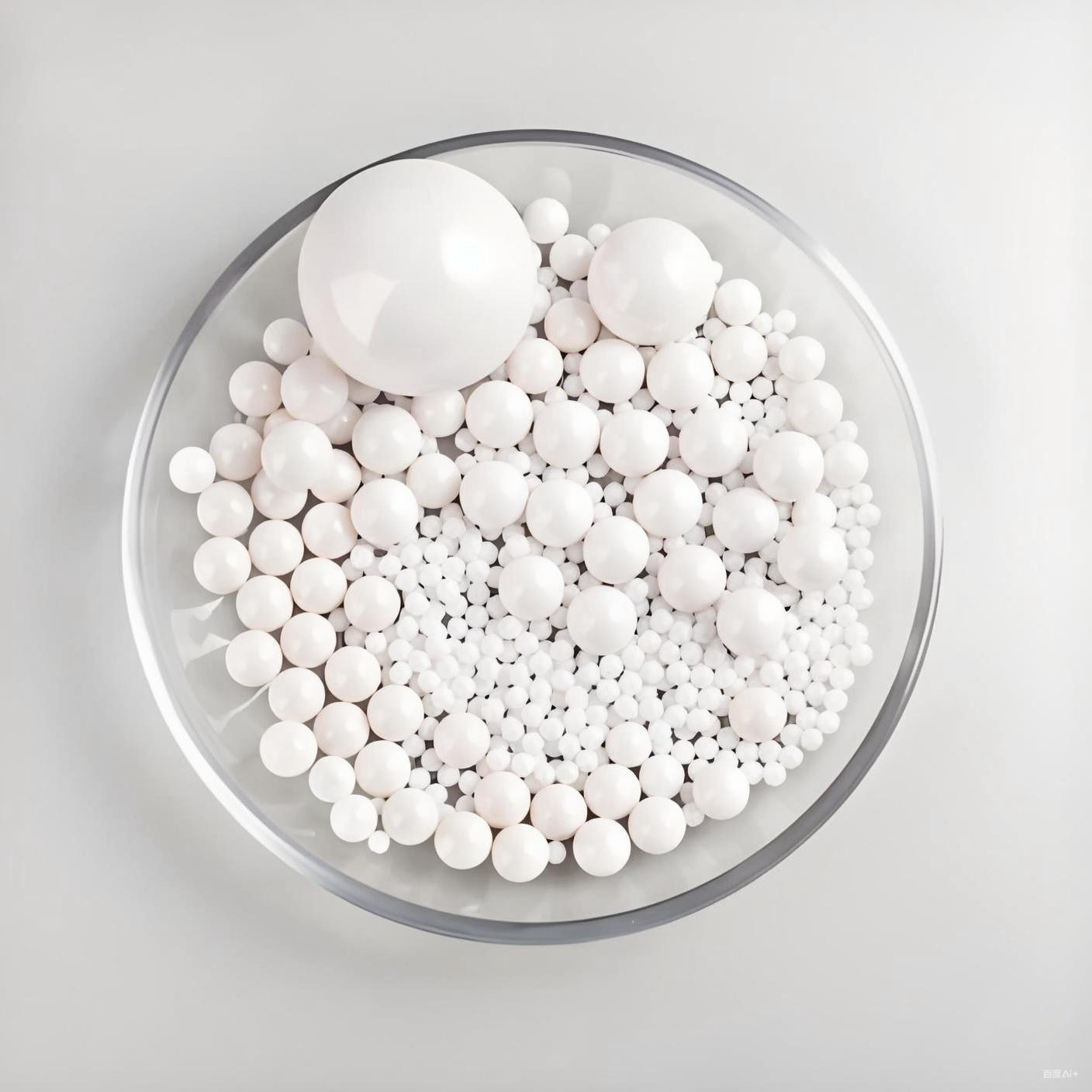
The planetary high-energy ball mill is designed for preparing ultrafine powders. Its working principle is that during operation, the grinding jars drive the grinding balls to generate a resultant force through revolution and rotation, which impacts and pulverizes the materials. Factors affecting the ball milling effect include milling time, milling speed, and solid content of the materials being milled. Among these, the ball-to-powder mass ratio and the mass ratio of grinding balls with different sizes are critical control parameters.
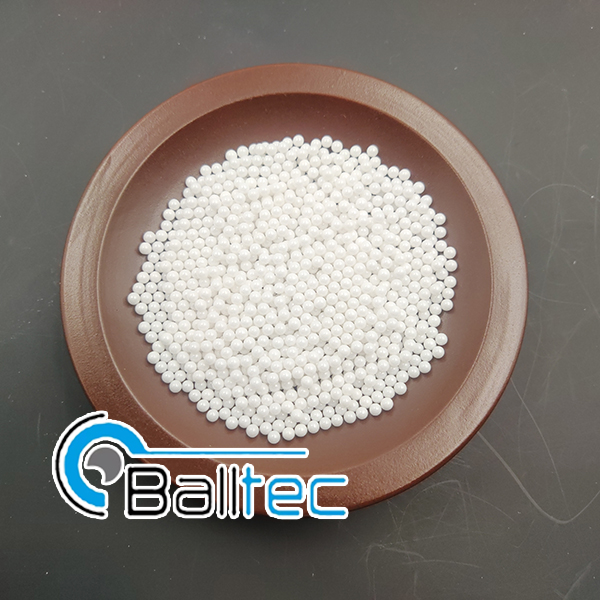
The application of zirconia in the field of functional ceramics
01 The ball bearings of ballpoint pens are made of zirconia ceramic.
Under normal circumstances, the ball bearings of ballpoint pens are mainly made of stainless steel and tungsten carbide. However, these ball bearings often experience breakage, dropping, and dead ball problems during writing. Zirconia ceramic ball bearings overcome these drawbacks.
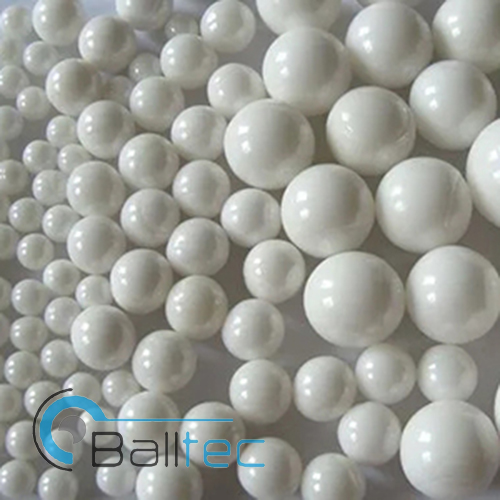
What are the differences between silicon nitride ceramic bearings and zirconia ceramic bearings?
Silicon nitride is generally carbon black in color. It has a relatively low density, approximately 42% that of bearing steel. Its low coefficient of thermal expansion is highly beneficial for minimizing the impact of temperature variations on bearing precision.
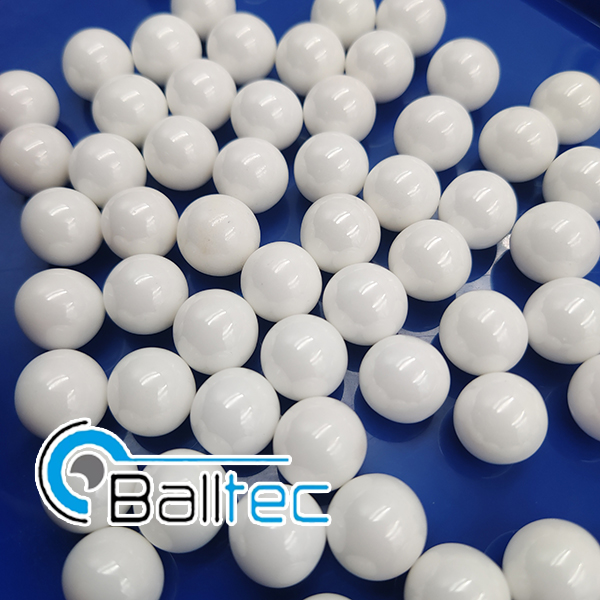
What are the factors that affect the grinding efficiency of the sand mill?
The sand mill is a state-of-the-art grinding device with the broadest material adaptability and highest efficiency. It features an ultra-narrow grinding chamber, minimal gap between agitator rods, and highly concentrated grinding energy. Equipped with a high-performance cooling system and automatic control system, it enables continuous material processing and discharging. Grinding efficiency varies significantly across different types of sand mills. So, what are the factors influencing the grinding efficiency of sand mills?
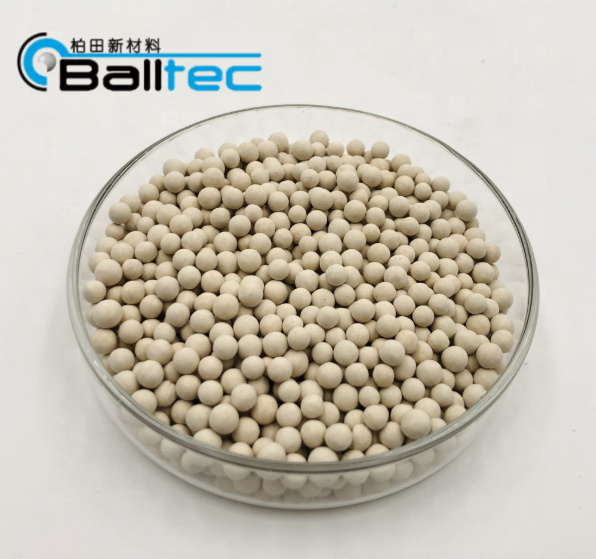
Which is better, 4a molecular sieve or silica gel?
Both 4a molecular sieve and silica gel are types of desiccants. Which one has a better drying effect? What are the differences between these two products? The main component of silica gel is SiO2. The acidity difference between the two is also significant. Silica gel has an amorphous structure, while molecular sieve is a crystal. From the perspective of porous materials, the pore size of 4a molecular sieve is uniform; while the pore size distribution of silica gel desiccant is relatively wide, and the size is also one order of magnitude larger than that of molecular sieve. Secondly, molecular sieve is mainly used in the field of catalysts; while silica gel is mainly used for drying purposes.