
News
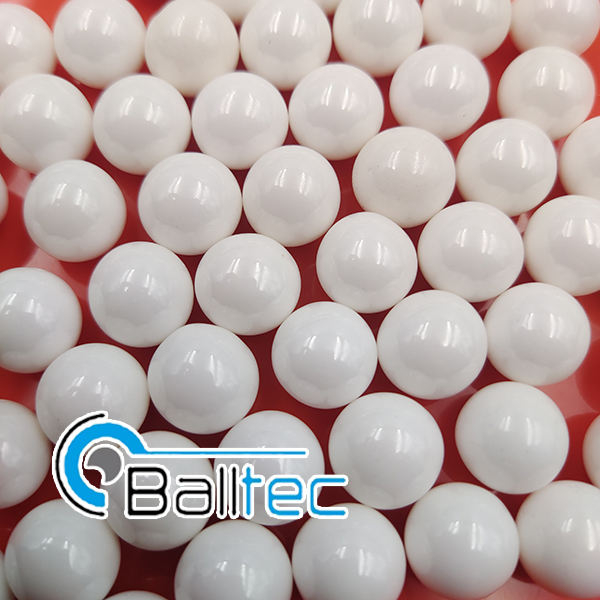
Causes of Powder Adhesion to the Wall and Sedimentation Caking in Planetary Ball Mill Jars
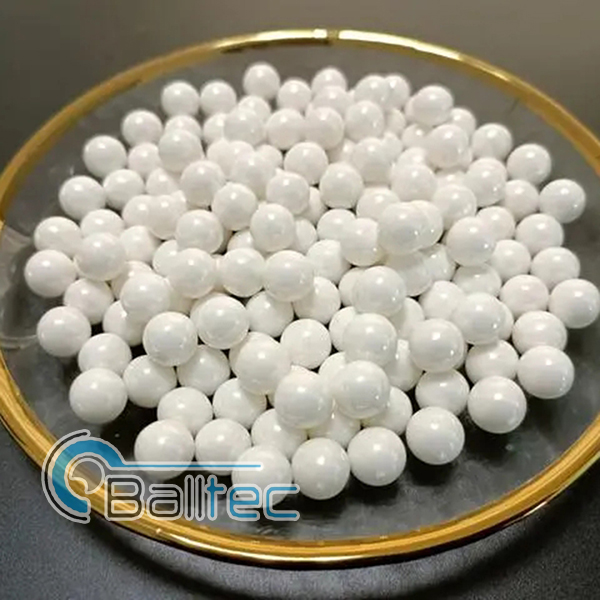
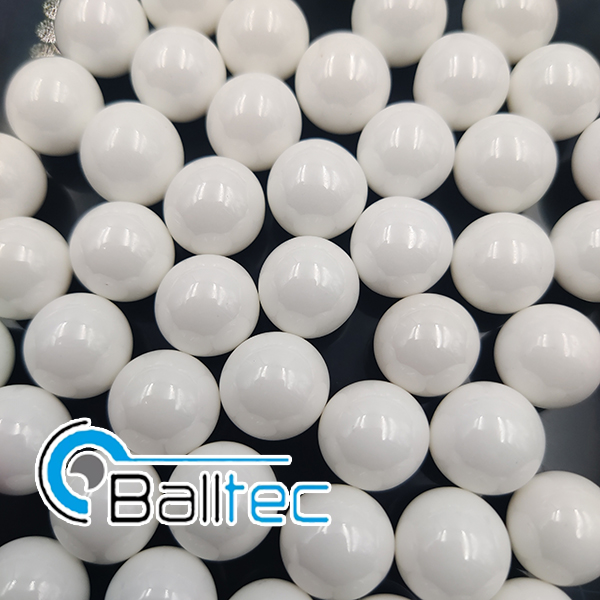
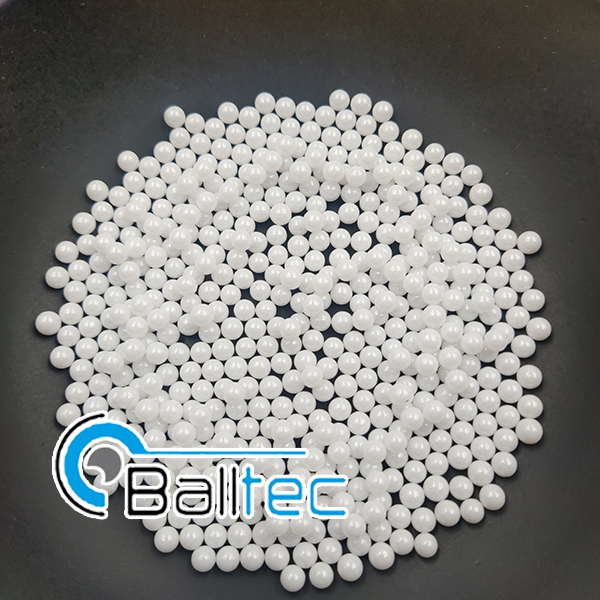
For planetary ball mills, we usually classify the ground particle size distribution into the following grades: millimeter to micron (3 mm–10 μm), submicron (10 μm–3 μm), and nanometer (3 μm–1 nm). Generally, the grinding process from millimeter to micron proceeds very smoothly; using zirconia beads of 15 mm, 10 mm, and 5 mm can reduce the particle size rapidly. However, grinding from the micron to the submicron and then to the nanometer scale presents certain difficulties, and problems such as powder adhering tightly to the inner wall of the ball mill jar or caking at the bottom tend to occur. The reasons are as follows:
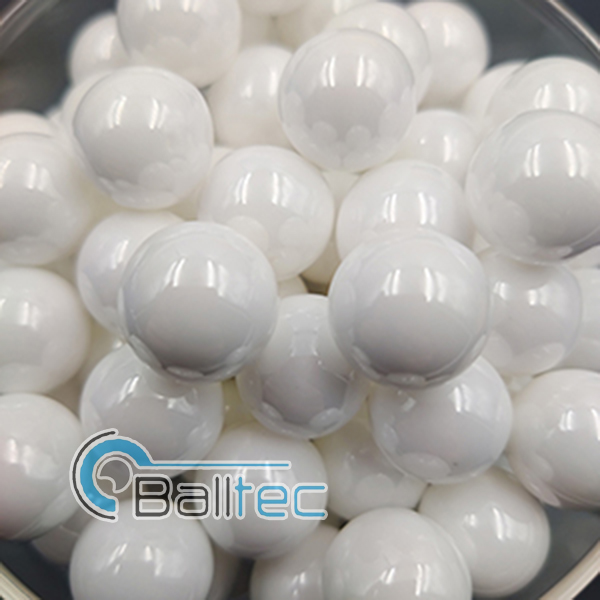
Slurry and powder preparation ball-milling grinding process
Ball milling is a grinding method that mainly uses balls as the medium to crush materials through impact, extrusion, and friction. During this process, the grinding balls endowed with kinetic energy move at high speed in a sealed container and collide with the materials
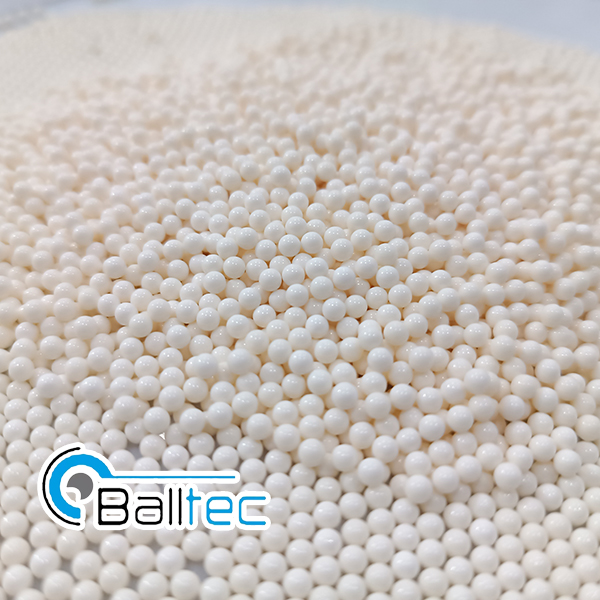
Methods of Alumina Powder Spheroidization
Methods of Alumina Powder Spheroidization
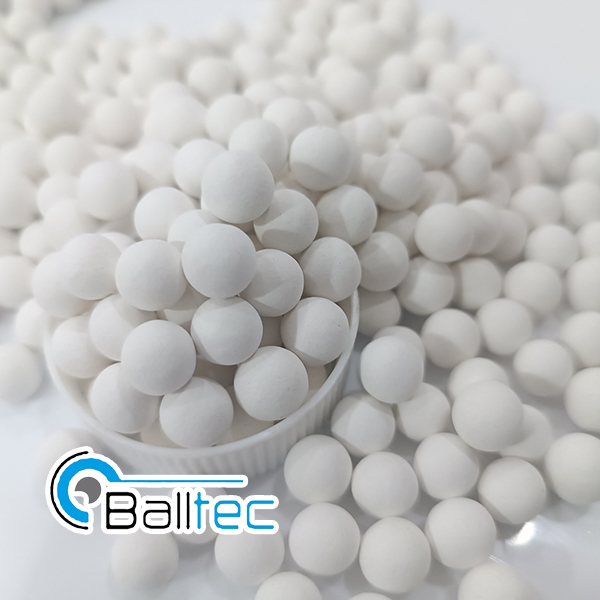
Powder spheroidization methods include physical methods and chemical methods. According to different material aggregation modes, the methods for preparing spherical alumina can be systematically classified into three categories: gas-phase method, liquid-phase method and solid-phase method.
- Ball Milling Method
The ball milling method is the most common technique for preparing ultrafine alumina powder. Usually, relying on the rotation or vibration of a ball mill, raw materials are impacted, ground and stirred by abrasives, and large-particle-size powder is refined into ultrafine powder. The particle size of the prepared spherical alumina powder mainly depends on the particle state of the raw materials and the preparation process.
Advantages: Simple operation, low cost and high output.
Disadvantages: The surface of the prepared spherical powder particles is relatively rough, resulting in increased specific surface area and enhanced powder activity, which easily causes inter-particle agglomeration. Thus, it is not suitable for preparing spherical powder particles with high-quality requirements.
- Homogeneous Precipitation Method
The precipitation process in a homogeneous solution involves nucleation, followed by aggregation and growth, and finally precipitation from the solution, which is usually in a non-equilibrium state. However, if the concentration of the precipitant in the homogeneous solution can be reduced or even generated slowly, a large number of tiny nuclei will be uniformly formed. The resulting fine precipitate particles will be uniformly dispersed in the entire solution and maintain an equilibrium state for a relatively long time. This method of obtaining precipitation is called the homogeneous precipitation method. For the homogeneous precipitation method, if the size of the obtained precipitate particles is within the range of colloidal particles, this method is also known as the sol-gel method.
Advantages: Mild reaction conditions, high sphericity, average particle size of 400nm~10μm, low purity and good dispersibility.
Disadvantages: To obtain spherical powder, aluminum sulfate must usually be used as the raw material, so harmful sulfides are generated during the calcination stage. Agglomeration and porous channels occur after sintering.
- Sol-Gel Method
The sol-gel method uses alkoxides or inorganic salts to form precursor sol through hydrolysis or polymerization reactions, followed by alcohol washing, aging and finally calcination to obtain alumina powder. The pH value of the system and the concentration of reactants must be precisely controlled when using this method.
Advantages: Good uniformity and high chemical purity.
Disadvantages: The preparation process is relatively complex and the cost is high.
- Sol-Emulsion-Gel Method
This method is developed on the basis of the sol-gel method. In the early stage, the sol-gel method was mostly used to prepare alumina sol, and more research focused on the microstructure of the obtained colloid. Gradually, this method became a common technique for preparing ultrafine powder. To obtain spherical powder particles, the interfacial tension between the oil phase and the water phase is used to form tiny spherical droplets, so that the formation and gelation of sol particles are confined within the tiny droplets, and finally spherical precipitate particles are obtained. In the sol-emulsion-gel method, a large amount of organic solvents and surfactants are used to form the emulsion. The separation process of spherical powder in the emulsion is very cumbersome, and it is not easy to maintain the spherical shape of the powder during the drying and calcination stages.
- Dropping Ball Method
The dropping ball method is a technique in which alumina sol is dropped into an oil layer (usually paraffin, mineral oil, etc.). Spherical sol particles are formed by the action of surface tension, then the sol particles are gelled in ammonia solution, and finally the gel particles are dried and calcined to form spherical alumina. This method is a further improvement on the sol-emulsion-gel method in terms of process. It applies emulsion technology to the aging stage of the sol, keeps the oil phase stationary, and eliminates the separation process between the powder and the oily reagent.
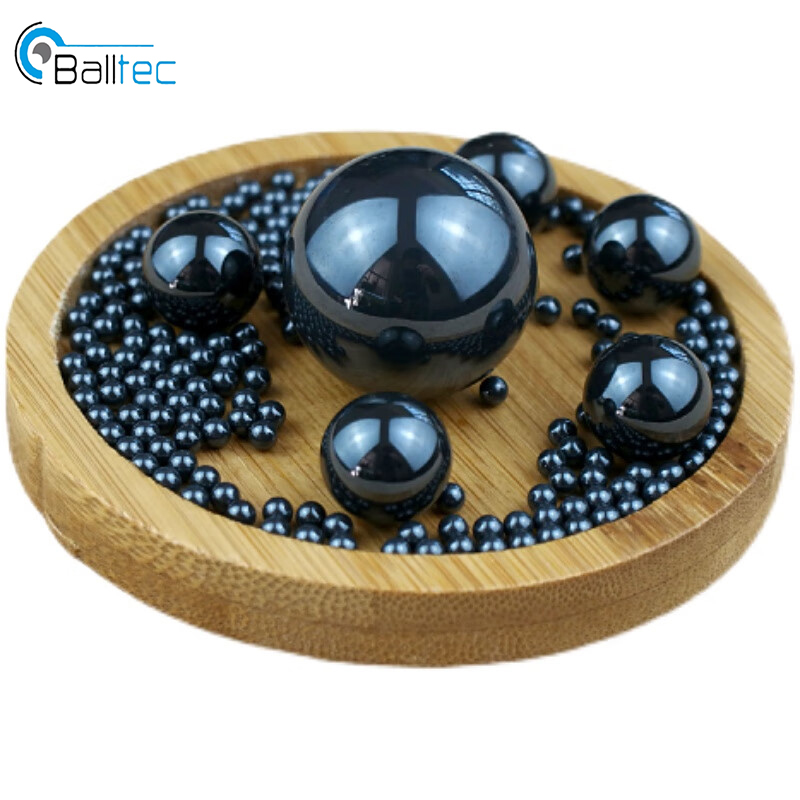
The influence of sintering temperature on the density of silicon nitride ceramic balls
Silicon nitride is a strong covalent bond compound. The self-diffusion coefficients of nitrogen and silicon atoms are low, resulting in low rates of volume diffusion and grain boundary diffusion required for densification, as well as insufficient sintering driving force, which leads to poor sinterability. Various defects are prone to form during the preparation process, thereby reducing material properties and limiting the application of Si₃N₄ ceramic ball bearings.
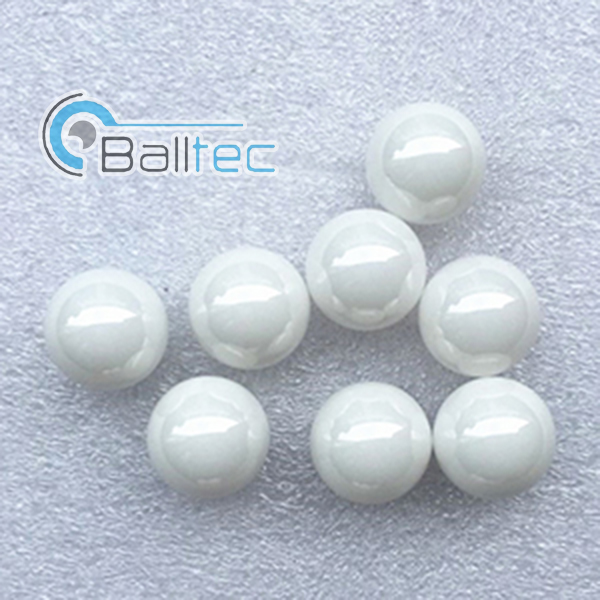
Types of ceramic grinding beads
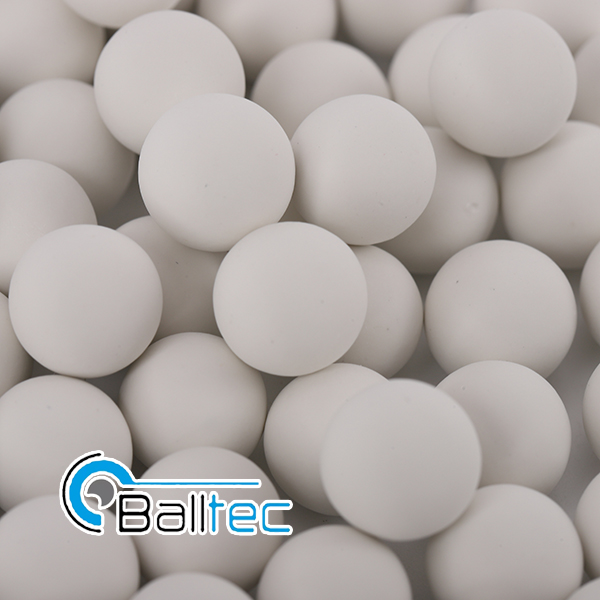
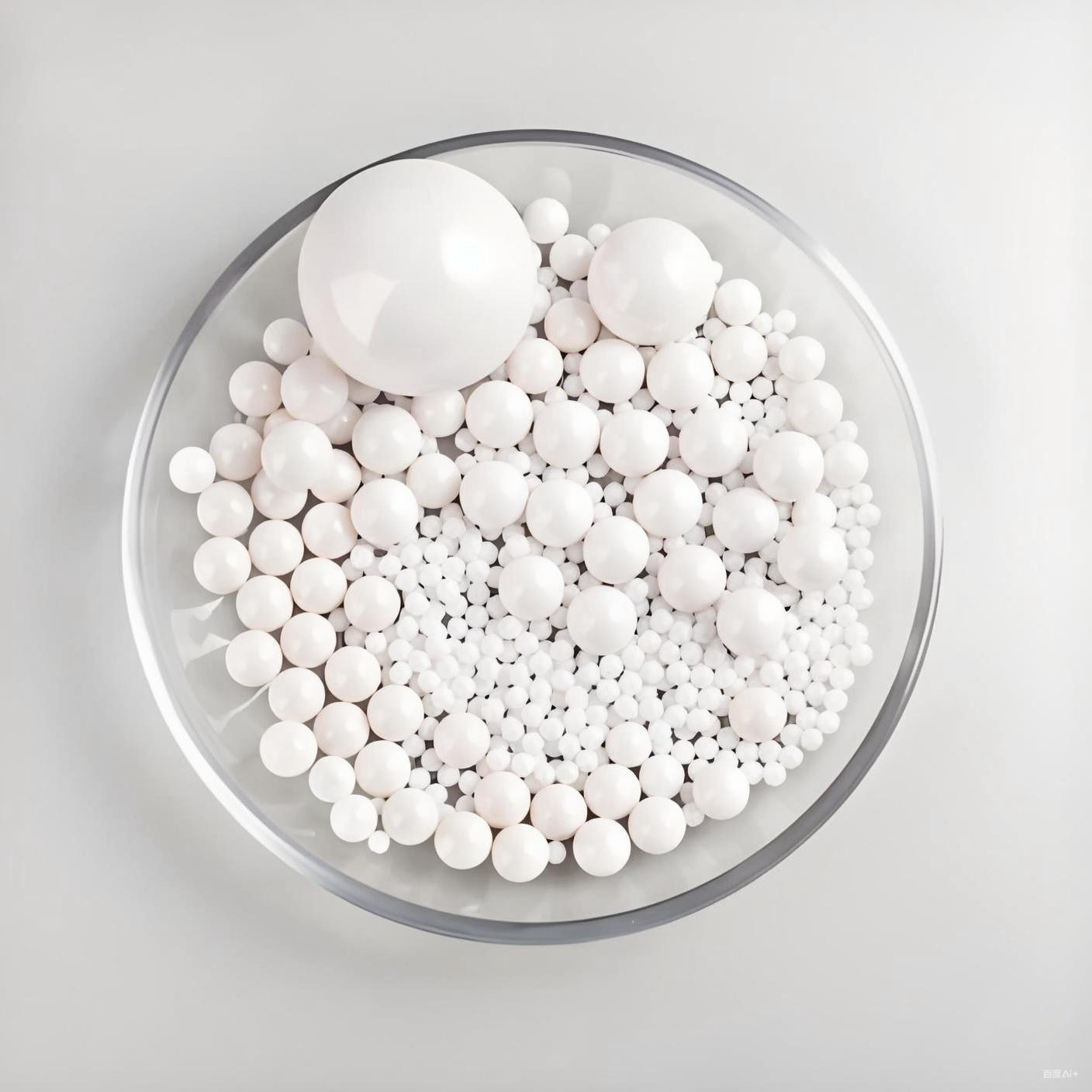
There are various types of ceramic grinding beads, such as alumina grinding beads, zirconia beads, glass beads, zirconium silicate beads, silicon nitride ceramic balls, etc. All can be used for grinding and dispersing materials, but they differ in material, density, and thus grinding efficiency.
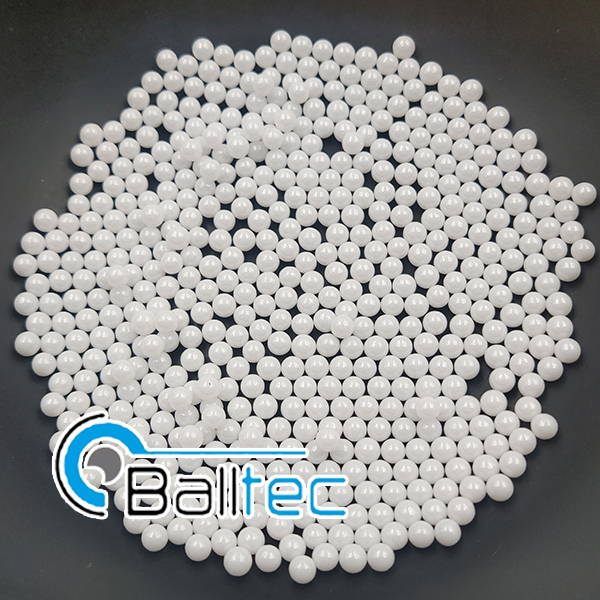
Why Do Zirconia Beads Used for Dental Sintering Turn Yellow?
Common dental crowns are ceramic crowns made from zirconia powder, the same raw material as zirconia beads. The sintering of dental crowns is generally carried out in a sintering furnace—a sealed piece of equipment classified as a small-scale laboratory furnace. The operating temperature of a dental crown sintering furnace reaches 1600°C. As a ceramic product, zirconia beads are high-temperature resistant and can maintain stability at 1600°C without cracking or shattering, thereby providing reliable protection for the teeth.