Top 10 Benefits of Zirconia Ceramic Balls for Industrial Applications
Zirconia Ceramic Balls are increasingly valued in industrial settings. Their unique properties make them suitable for a wide range of applications. With their high durability and resistance to wear, these balls enhance performance in demanding environments.
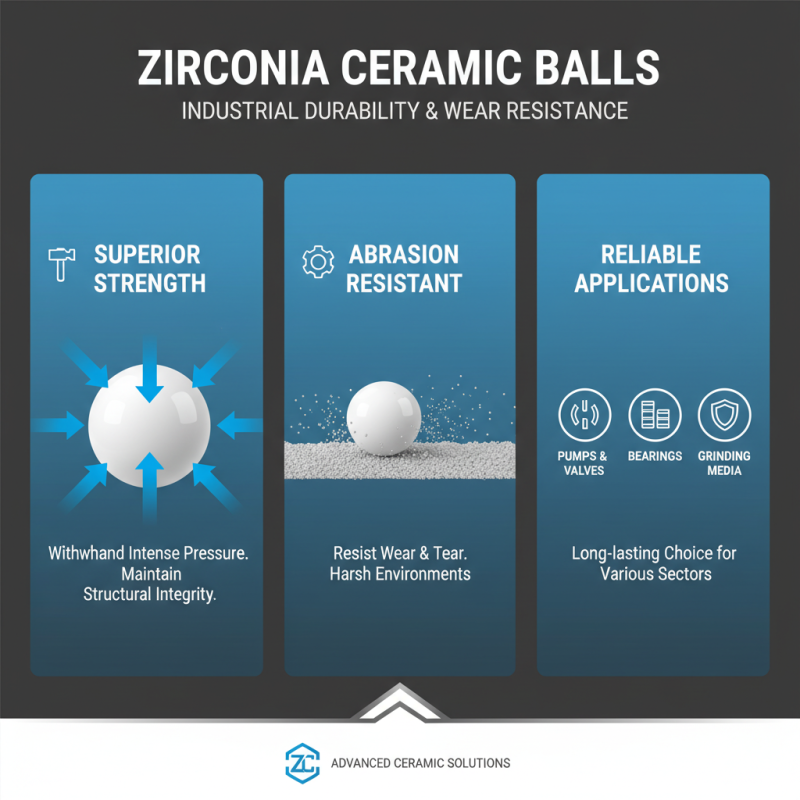
One major benefit is their strength. Zirconia Ceramic Balls can withstand extreme pressure and high temperatures. This makes them ideal for industries such as aerospace and automotive. They also offer chemical resistance, which is crucial in many manufacturing processes.
Moreover, the smooth surface of Zirconia Ceramic Balls minimizes friction. This leads to efficient operation and reduced energy costs. By incorporating them into machinery, businesses can improve longevity and reliability. However, the initial investment may be higher compared to other materials. Users need to weigh the long-term advantages against the costs. Ultimately, Zirconia Ceramic Balls represent a significant innovation in industrial application, underscoring the need for careful consideration and expertise when implementing new technologies.

Understanding Zirconia Ceramic Balls and Their Composition
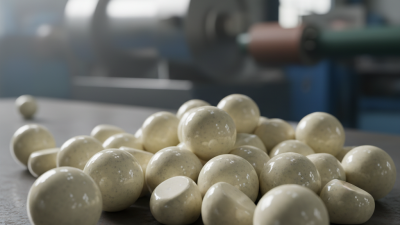
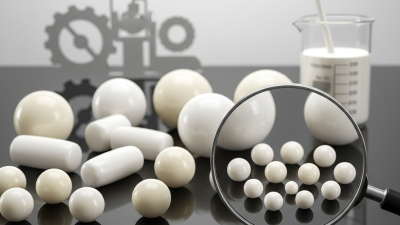
Zirconia ceramic balls have gained attention in various industrial applications due to their unique composition. These balls are made from zirconium dioxide, a material known for its high strength and toughness. The crystal structure of zirconia allows it to resist wear and deformation, making it ideal for bearings, valves, and other mechanical components.
The manufacturing process involves sintering zirconia powder at high temperatures. This results in a dense and robust ceramic with minimal porosity. The resulting balls possess a low coefficient of friction, which enhances efficiency in moving parts. Additionally, their resistance to corrosion and heat elevates their utility in harsh environments.
However, it’s essential to note that while zirconia ceramic balls offer significant benefits, they are not without challenges. The brittleness of the material can lead to unexpected failures in certain conditions. Regular assessments are beneficial to ensure that the performance meets the expected standards. Understanding the properties of zirconia is crucial for selecting the right applications. Knowledge and experience in this field can help industries prevent costly disruptions.
Chemical Inertness and Its Importance in Industrial Applications
Zirconia ceramic balls have gained significant attention in industrial applications due to their exceptional chemical inertness. This quality is crucial as it ensures these balls will not react with the substances they encounter, making them ideal for industries dealing with corrosive materials. For instance, in the pharmaceutical sector, zirconia’s resistance to acids and bases helps maintain product purity and process integrity, which is essential for compliance with safety regulations.
According to a report from the International Journal of Industrial Ceramics, zirconia ceramic balls demonstrate over 95% resistance to chemical corrosion. This durability extends their lifespan, reducing the frequency of replacements and maintenance. Companies that invest in these materials report lower operational costs over time, highlighting their economic benefits alongside technical advantages.
Despite their strengths, it's essential to consider the limitations. While zirconia balls are highly durable, improper handling can lead to damage, affecting performance. Workers should be trained in proper procedures to avoid mishaps. Furthermore, continuous improvements in manufacturing processes are essential to ensure consistency in quality, as any variance can diminish the benefits they typically offer in industrial applications.
Thermal Stability and Its Advantages for High-Temperature Uses
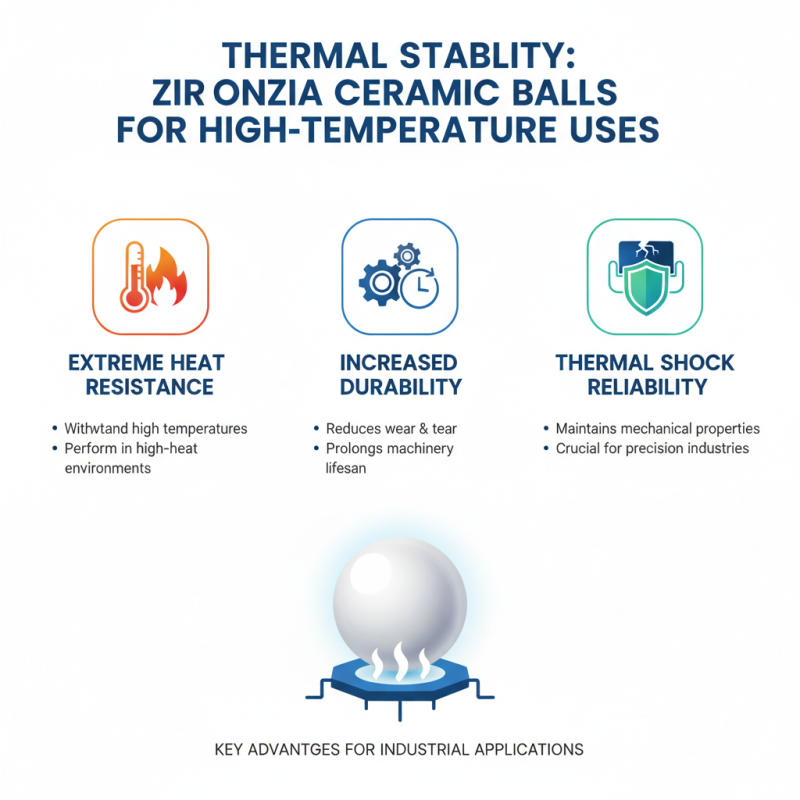
Zirconia ceramic balls have become increasingly popular in various industrial applications, primarily due to their impressive thermal stability. This resistance to extreme temperatures allows them to perform well in high-heat environments, reducing wear and prolonging the lifespan of machinery. They maintain their mechanical properties, even when exposed to sudden thermal shocks. This reliability is crucial for industries that demand precision and efficiency.
When choosing zirconia ceramic balls, consider the specific thermal requirements of your application. Ensure that the balls you select can withstand the temperatures typical of your operational processes. Additionally, examine the thermal expansion characteristics. A mismatch might lead to failures or inefficiencies. Regularly check the condition of the balls to identify any cracks or wear early on.
Zirconia’s durability extends beyond just thermal applications. Its resistance to corrosion and abrasion makes it a versatile option for various industrial environments. However, it's essential to reflect on how such materials fit into your overall production strategy. Are there other areas where durability and thermal stability could provide additional benefits? Taking the time to consider these aspects can lead to improved operational efficiency.
Cost-Effectiveness and Economic Benefits of Using Zirconia Balls
Zirconia ceramic balls are gaining traction in industrial applications due to their cost-effectiveness. A recent industry report indicates that the use of zirconia balls can reduce maintenance costs by as much as 30%. This reduction comes from their impressive wear resistance and durability. Industries rely on components that require less frequent replacement, leading to overall boosts in productivity.
Moreover, the initial investment in zirconia balls is often outweighed by their long-term benefits. They exhibit lower friction than traditional materials, which enhances efficiency. According to research, using zirconia can improve operational efficiency by 20%. These economic advantages not only lower operational costs but also demonstrate their value in high-performance settings.
However, careful consideration is needed in choosing materials. While zirconia offers significant benefits, it is essential to assess compatibility with specific applications. Industries must evaluate both the upfront costs and the potential savings over time. Balancing these factors helps leverage the full economic benefits of zirconia ceramic balls.