How to Choose Yttria Stabilized Zirconia Beads for Optimal Performance?
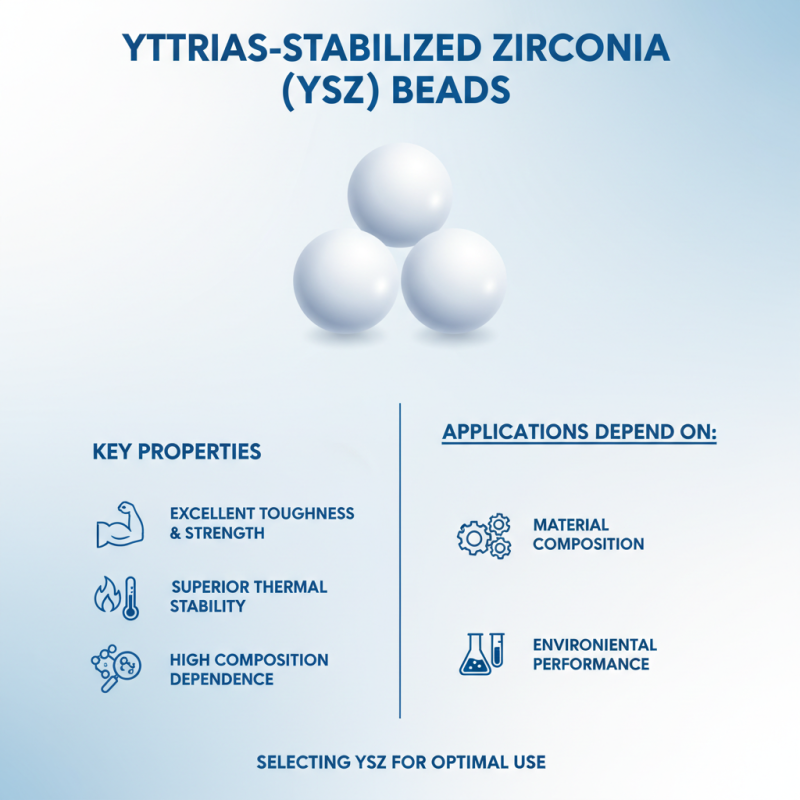
Choosing the right Yttria Stabilized Zirconia Beads is crucial for various applications, including grinding and dispersion. These beads exhibit high strength and wear resistance, making them ideal for industries like ceramics and paints. According to a recent report by MarketsandMarkets, the global ceramic beads market is expected to reach USD 1.5 billion by 2025, driven by the demand for advanced materials.
When selecting Yttria Stabilized Zirconia Beads, consider factors such as size, density, and surface finish. The right choice enhances performance and efficiency in processes like milling and mixing. However, not all zirconia beads are created equal. The quality varies significantly among suppliers. This understanding is essential for optimizing your results.
Ultimately, making an informed decision involves balancing performance with cost. It’s essential to think critically about your specific needs. While some may be tempted to choose cheaper options, this could lead to inefficient outcomes. Investing in high-quality Yttria Stabilized Zirconia Beads often pays off in improved productivity and product quality.

Factors to Consider When Selecting Yttria Stabilized Zirconia Beads
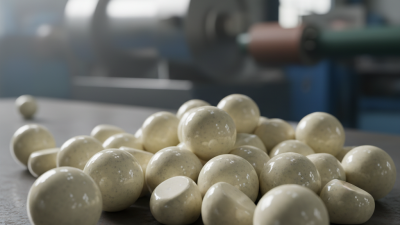
When selecting yttria stabilized zirconia beads, a few key factors significantly influence their performance. The diameter of the beads is crucial; smaller beads work well for finer grinding, while larger beads excel in efficiency. To achieve the best results, assess the specific material being processed. Different materials may require different bead sizes to optimize grinding conditions.
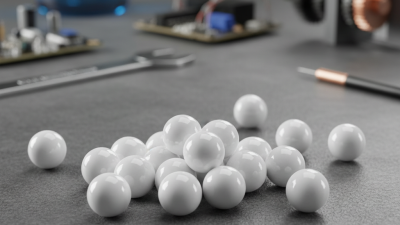
The bead density also matters. Beads with higher density provide enhanced grinding efficiency but may increase wear on equipment. Consider the type of mill being used, as this decision impacts the choice of bead density. Additionally, bead shape can influence the grinding process. Spherical beads are often preferred, but cylindrical options may be beneficial for specific applications.
Another factor to reflect on is the required durability. Yttria stabilized zirconia beads are known for their toughness. However, not all applications demand the same level of durability. Identifying the application frequency and expected wear helps in making the right choice. It's essential to balance durability with cost-efficiency to avoid overspending on unnecessary quality.
Evaluating Size and Shape for Optimal Grinding Efficiency
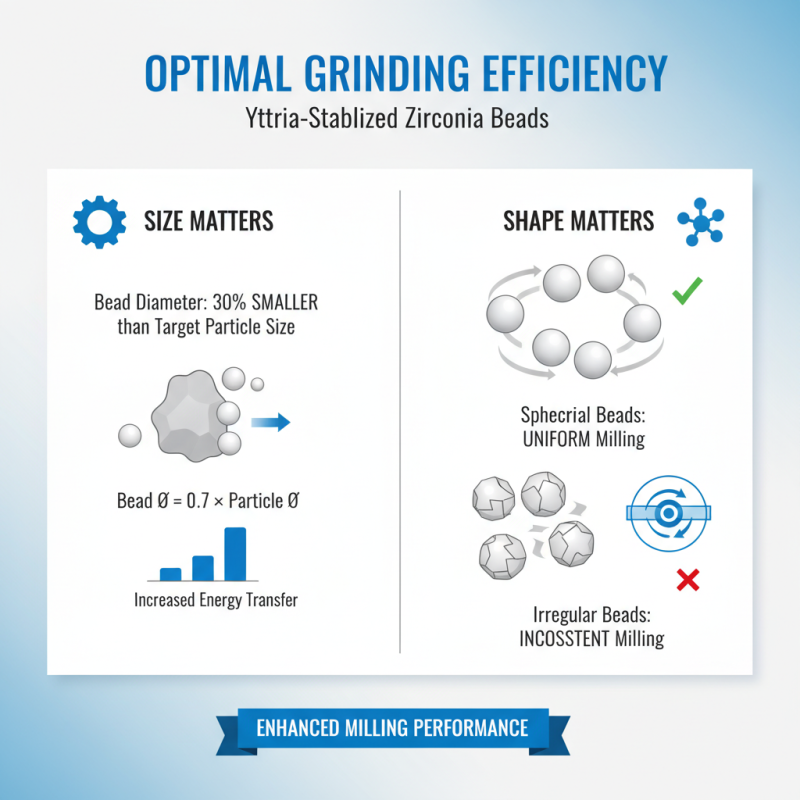
When selecting yttria stabilized zirconia beads, the size and shape significantly influence grinding efficiency. Recent industry reports indicate that bead diameter should align closely with the target particle size. For instance, a common recommendation is a bead diameter that is 30% smaller than the size of the particles being ground. This ratio enhances the effectiveness of energy transfer during milling.
In addition to size, the shape of the beads plays a critical role. Round beads provide uniform wear and predictable flow in mills. Conversely, irregularly shaped beads may lead to inconsistent grinding performance. Experiments have shown that using beads with a diameter of 0.5mm to 1mm often results in optimal dispersion for materials like ceramics and pigments. This size range allows for effective impact while minimizing wear on the milling equipment.
Despite these guidelines, achieving optimal performance can be complex. Factors such as mill configuration, type of material, and operational parameters also come into play. It's essential to analyze each component thoroughly. Testing with different sizes and shapes can uncover hidden efficiencies or reveal issues like excessive wear over time. The perfect balance is often found through careful experimentation and adjustment.
Assessing Cost-Performance Balance in Bead Selection
When selecting yttria stabilized zirconia (YSZ) beads, assessing the cost-performance balance is crucial for achieving optimal outcomes in applications such as milling and dispersion. Industry reports suggest that while YSZ beads can be more expensive than alternatives, their durability and lower wear rates often justify the investment. For instance, a study by the American Ceramic Society indicates that YSZ exhibits up to 40% less wear compared to traditional ceramic beads, leading to longer operational lifespans and less frequent replacements.
The cost-performance ratio also hinges on application requirements. While some processes may benefit from high ceramic content, others may show diminishing returns. A detailed analysis by the International Journal of Advanced Manufacturing Technology highlights that improperly chosen beads can lead to increased operational costs. This emphasizes the need for thoughtful consideration in bead selection, as suboptimal choices can result in significant financial strain. Evaluating your specific needs against the performance metrics of YSZ beads can yield better resource allocation and enhanced efficiency.
Price fluctuations in raw materials may also impact the final cost of YSZ beads. Furthermore, the potential need for additional processing can elevate expenses. Balancing these factors requires a thorough understanding of both your production goals and market conditions. This complex interplay signals the importance of consulting with industry experts to ensure that your choice aligns with current trends and technologies.
Comparing Different Suppliers for Quality Assurance and Consistency
Choosing yttria stabilized zirconia (YSZ) beads requires careful consideration. The quality and consistency of these beads can significantly influence manufacturing processes. When comparing suppliers, it’s crucial to assess their production methods and material sourcing. Reliable suppliers should provide detailed information about their manufacturing practices.
Research indicates that YSZ beads with a particle size distribution between 0.5 to 1.0 mm yield optimal grinding efficiency. According to a study from the Ceramic Engineering Journal, such specifications enhance the durability and performance of grinding media. Consistency is key—variances in size can lead to uneven particle dispersion.
Tips: Always request material safety data sheets and quality certificates from potential suppliers. This documentation serves as proof of quality standards.
Additionally, look for suppliers with proven track records in your specific industry. A reliable supplier should have experience with your application, whether in pharmaceuticals or materials science. Their expertise can guide you in selecting the right bead type based on your requirements.
Tips: Don’t hesitate to ask for product samples before making a bulk purchase. Testing the beads in real conditions can reveal essential performance insights. Remember that not every supplier will meet your expectations; finding the right match may take time.