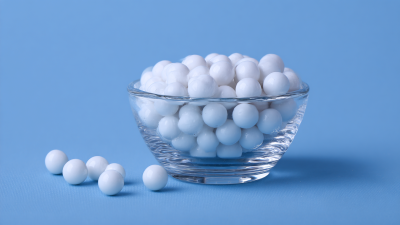
What Are the Benefits of Using Zirconia Silicate Balls?
Zirconia Silicate Balls are making waves in various industries due to their unique properties. Dr. Emily Tran, a renowned expert in advanced ceramics, asserts, “The durability and low wear of Zirconia Silicate Balls provide a significant advantage in high-performance applications.” This statement encapsulates the essence of their benefits.
Utilizing Zirconia Silicate Balls can enhance efficiency in grinding and milling processes. Their robust structure means less frequent replacement, contributing to cost-effective operations. However, companies must consider the initial investment. Balancing performance and cost is crucial for long-term success.
Moreover, the versatility of Zirconia Silicate Balls allows their use across diverse sectors. However, it is essential for businesses to assess their specific needs. While these balls offer numerous advantages, understanding their limitations is equally important. Reflecting on these factors will yield better decision-making.
Benefits of Zirconia Silicate Balls in Grinding Applications
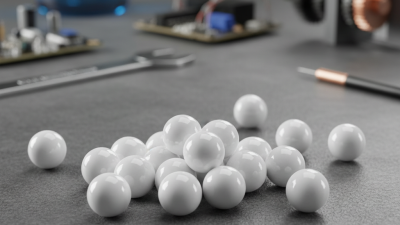
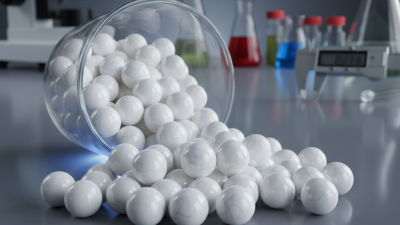
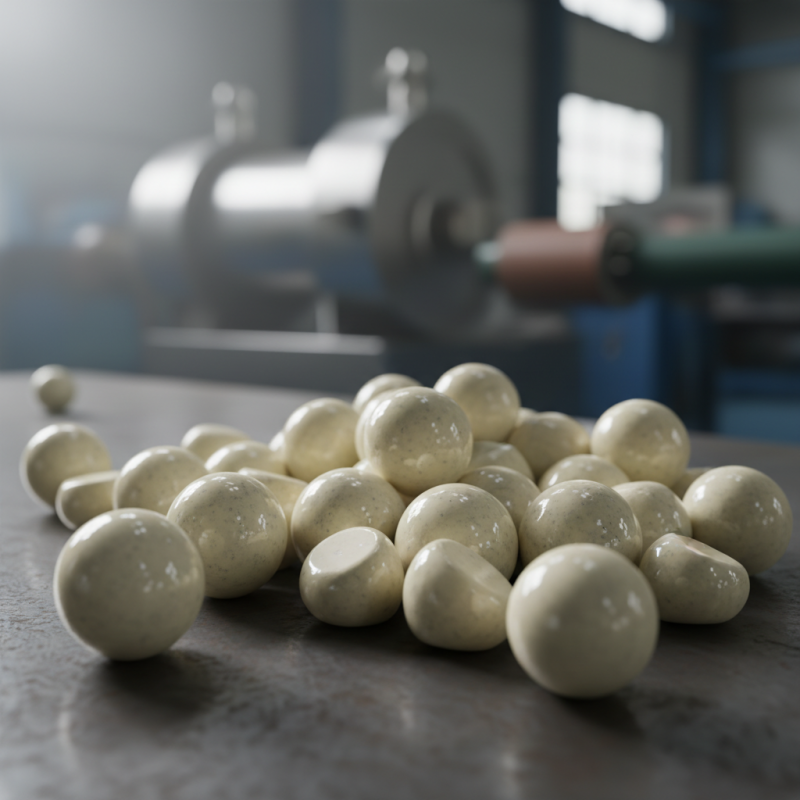
Zirconia silicate balls are gaining popularity in grinding applications. Their unique properties enhance performance in various industries. These balls are made from zirconium dioxide, providing durability. This strength reduces wear on equipment and prolongs service life.
The low-density feature of zirconia silicate balls makes them ideal for fine grinding. They reduce energy consumption during the grinding process. This can lead to significant cost savings over time. Their smooth surface minimizes contamination, ensuring product purity. It's essential to consider the right applications for optimal performance, as not every scenario benefits equally from these materials.
However, the choice of grinding media should always reflect the specific needs of the application. Over-reliance on zirconia silicate balls might limit exploration of other effective options. Testing different media types can yield better results in certain cases. Keeping a balance in material choices allows for improvements and adjustments over time. This iterative process is key to achieving the best grinding efficiency.
Enhanced Wear Resistance of Zirconia Silicate Balls Compared to Steel Balls
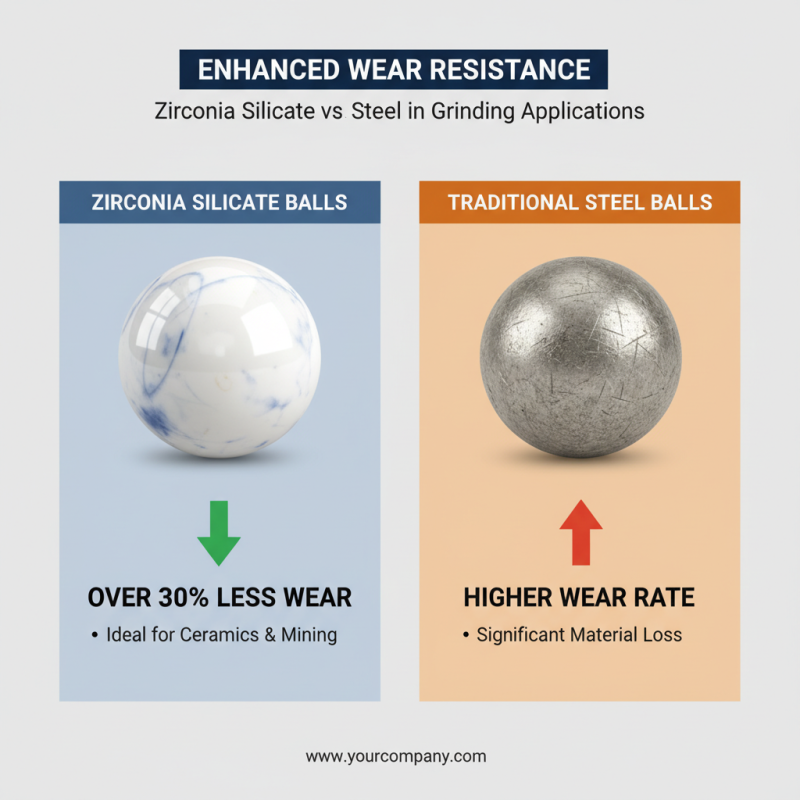
Zirconia silicate balls have gained popularity for their exceptional wear resistance, especially when compared to traditional steel balls. Studies show that zirconia silicate balls can reduce wear rates by over 30% in grinding applications. This is particularly crucial in industries such as ceramics and mining, where material loss can significantly impact production costs.
The hardness of zirconia silicate is noted to be around 1200 HV (Vickers hardness), while steel typically ranges from 200 to 500 HV. This hardness translates into greater durability, making zirconia silicate a preferable choice for many operations. However, some users may find that the initial investment for zirconia silicate balls is higher, raising questions about their long-term value.
In practice, while the performance benefits are evident, the transition to zirconia silicate may require adjustments in operational parameters. Precision in milling equipment can influence the effectiveness of these balls. Some operators have reported challenges in achieving optimal grinding conditions initially. It's essential to evaluate these factors carefully before making a switch.
Impact of Zirconia Silicate Balls on the Quality of Final Products
Zirconia silicate balls have revolutionized the manufacturing process across many industries. Their unique composition results in minimal wear and tear during grinding. This property contributes to consistent particle size and shape, which enhances the quality of final products. Additionally, these balls provide better dispersion of materials, ensuring an even mix in the final output.
In ceramics, zirconia silicate balls increase the strength and durability of the products. This is particularly beneficial for items like tiles and dinnerware. Their impact on quality is notable; less contamination occurs, ensuring a purer final product. Users often note improved performance in grinding efficiency and reduced production costs.
Tips for Effective Use:
When using zirconia silicate balls, keep an eye on the size and density. Match these attributes with the materials being processed. Regularly check for wear on the balls to maintain product quality. Remember that cleanliness is vital; any residue can affect the final product. Always perform trials to find the perfect combination for your specific application.
Cost-Effectiveness of Using Zirconia Silicate Balls in Industrial Processes
Zirconia silicate balls are gaining popularity in industrial applications. They offer significant cost-effectiveness due to their durability and long lifespan. Compared to traditional materials, these balls reduce replacement frequency, which lowers overall operational costs. This durability translates into fewer interruptions in production processes, enhancing efficiency.
Using zirconia silicate balls can cut maintenance expenses. Industries can save on labor and resources needed for repairs and replacements. Furthermore, they exhibit excellent wear resistance. This means they can handle high-intensity operations without degrading quickly. The initial investment is often offset by the long-term savings.
Tips: Regularly assess the performance of zirconia silicate balls to ensure optimal efficiency. Small changes in your environment may impact their longevity. Consider collaborating with experts to understand the best uses for your specific processes. Always analyze your current material costs to evaluate potential savings effectively.
Benefits of Using Zirconia Silicate Balls
Environmental Considerations and Sustainability of Zirconia Silicate Balls
Zirconia silicate balls are increasingly recognized for their environmental benefits. These balls are often made from sustainable, non-toxic materials. According to a report by the International Ceramic Federation, the production process requires less energy compared to traditional materials. This reduced energy consumption is significant, given that the ceramics industry contributes around 2-3% of global CO2 emissions.
Their durability also plays a crucial role in sustainability. Zirconia silicate balls have a longer lifespan than conventional grinding media. Studies show they can last up to four times longer. This leads to less frequent replacements and reduced waste. However, it's important to consider end-of-life management. The recycling process for these materials isn't fully developed yet, which poses a challenge.
Despite their advantages, the ecological footprint of zirconia silicate balls must be scrutinized. As they gain popularity, the demand for raw materials might increase. This could lead to over-extraction in certain regions, impacting local ecosystems. Balancing production with environmental stewardship remains a key concern for the industry. Sustainable practices and innovation are necessary to address these issues effectively.