How to Choose the Right Zirconia Ceramic Ball for Your Application?
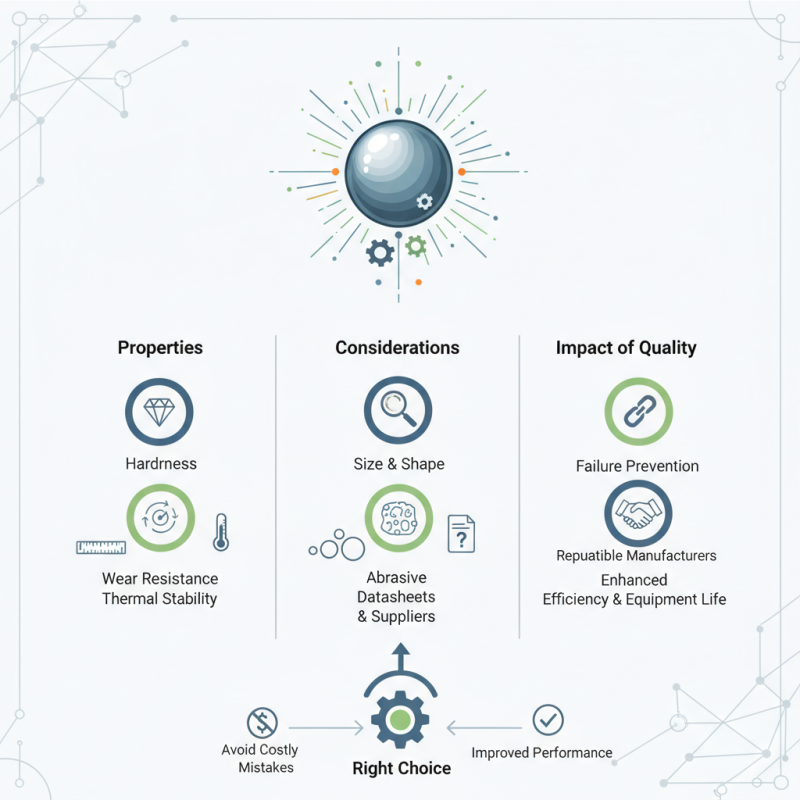
Choosing the right Zirconia Ceramic Ball for your application requires careful consideration. Industry expert Dr. Emma Chen emphasizes, “The right choice can drastically improve performance.” Zirconia Ceramic Balls are known for their hardness, wear resistance, and thermal stability. These properties make them ideal for various applications, from grinding media to ball bearings.
When selecting a Zirconia Ceramic Ball, think about your specific needs. For instance, the size and shape of the ball can significantly impact its performance. Abrasive environments require more resilient options. Not all ceramic balls are equal; understanding the nuances can be challenging. Take the time to consult datasheets and ask suppliers.
In some cases, users may underestimate the importance of quality. A subpar Zirconia Ceramic Ball can lead to failures. Thus, investing in reputable manufacturers is critical. Remember, the right selection can enhance efficiency and prolong equipment life. Be mindful of your choices to avoid costly mistakes.
Choosing Zirconia Ceramic Balls: Understanding Material Properties
When choosing zirconia ceramic balls, understanding material properties is critical. Zirconia offers high strength and excellent wear resistance. These characteristics make it ideal for applications requiring durability. In industries like automotive and aerospace, these properties ensure parts function reliably under stress.
The composition of zirconia plays a significant role in its performance. For instance, its toughness comes from the presence of stabilizers like yttria. This adds to the material's ability to withstand harsh environments. However, the exact formulation can vary, influencing the ball's characteristics. Potential users must consider their specific needs carefully.
Testing is essential before making a decision. Sometimes, properties like thermal conductivity and chemical resistance may differ between samples. Users should evaluate their application under different conditions. Understanding these nuances creates a better match between the material and its intended use. Making informed choices leads to better performance and longevity of components.
How to Choose the Right Zirconia Ceramic Ball for Your Application?
| Property |
Description |
Importance for Application |
| Density |
Typically around 6.0 g/cm³ |
Affects strength and wear resistance. |
| Hardness |
Very high hardness; Mohs hardness of 8-9 |
Critical for high abrasion applications. |
| Fracture Toughness |
Moderate fracture toughness |
Important for impact resistance. |
| Thermal Stability |
Good thermal stability up to 1000°C |
Necessary for high-temperature applications. |
| Corrosion Resistance |
Highly resistant to chemical corrosion |
Essential for use in harsh environments. |
| Surface Finish |
Available in various finishes |
Affects friction and performance in bearings. |
Application-Specific Requirements for Zirconia Ceramic Balls
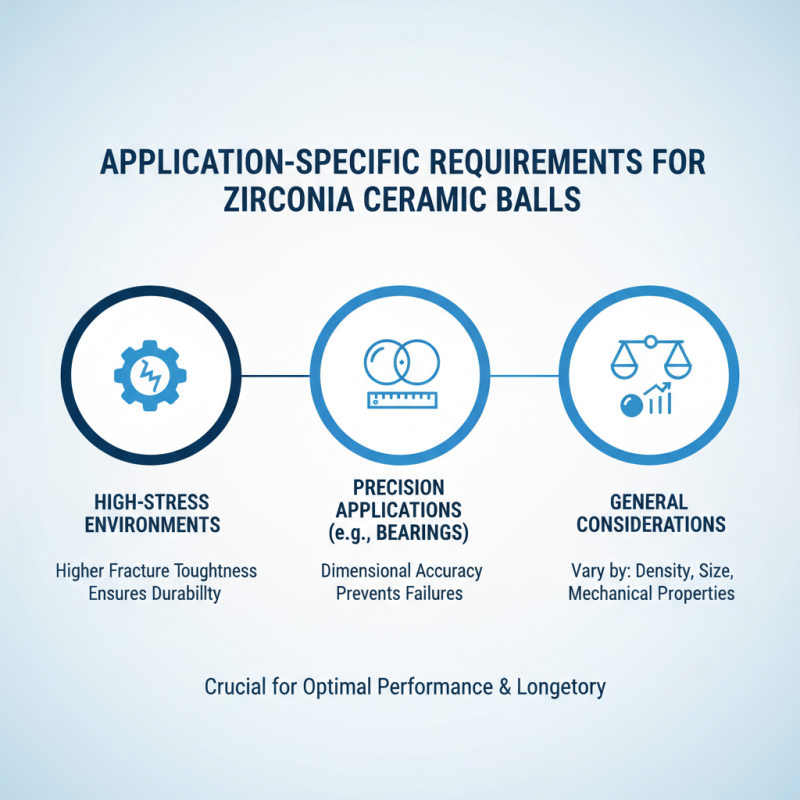
When selecting zirconia ceramic balls, understanding application-specific requirements is crucial. These balls vary in density, size, and mechanical properties. Applications in high-stress environments need balls with higher fracture toughness. This ensures durability under extreme conditions. For precision applications, such as in bearings, dimensional accuracy is vital. Tiny deviations can lead to operational failures.
Consider the environment in which these ceramic balls will operate. Some applications may require resistance to chemicals or temperatures. Zirconia's excellent thermal stability makes it suitable for high-heat environments. However, not all zirconia options are equal. A thorough analysis of your operational parameters can guide you in choosing correctly.
It's important to acknowledge that not every option will meet all your needs perfectly. There might be trade-offs involved. You may find that enhanced toughness comes with increased weight. Evaluating these factors is essential to make an informed decision. Regularly reviewing performance can highlight areas for improvement. This iterative approach can lead to better outcomes over time.
Key Manufacturing Processes Impacting Zirconia Ball Quality
When selecting zirconia ceramic balls, understanding the manufacturing processes is vital. The quality of the final product heavily relies on techniques like sintering and milling.
Sintering involves heating to a high temperature without melting. This process densifies the zirconia material, enhancing its strength and durability.
However, excessive heat can lead to grain growth, compromising integrity.
Milling is another critical step. It shapes the zirconia before sintering. If not done correctly, it can introduce inconsistencies in size and surface finish. Using inappropriate milling methods may result in uneven spheres, affecting performance.
It's essential to ensure precision at this stage, as errors can cascade down the production line.
Quality control measures must be in place. Regular testing ensures that each batch meets the specified standards. Even small fluctuations in manufacturing can lead to significant deviations in performance.
Evaluating these processes can guide your decision-making. Understanding their impact helps in selecting the right zirconia balls for your specific needs.
Comparative Analysis of Zirconia vs. Other Ceramic Materials
When examining zirconia ceramic balls, a comparative analysis with other ceramic materials reveals vital distinctions. Zirconia exhibits superior toughness and wear resistance. According to recent industry reports, zirconia surpasses alumina and silicon carbide in terms of fracture toughness, rated at over 9 MPa·m^1/2, compared to alumina's 3-4 MPa·m^1/2. This characteristic makes zirconia preferable in demanding environments, where durability is paramount.
While considering materials for applications like bearings, it is essential to weigh the pros and cons. Zirconia can handle high temperatures and pressure efficiently. However, it can be more costly than other ceramics. In applications requiring frequent replacement parts, cost factors become significant. Some users report that while zirconia performs well, it might be overkill for less demanding environments.
**Tips:** Opt for zirconia if your application involves high wear and thermal shock. If budget constraints are tight, alumina could suffice for lighter loads. Always evaluate your specific needs before making a final decision.
Industry Standards and Certifications for Zirconia Ceramic Balls
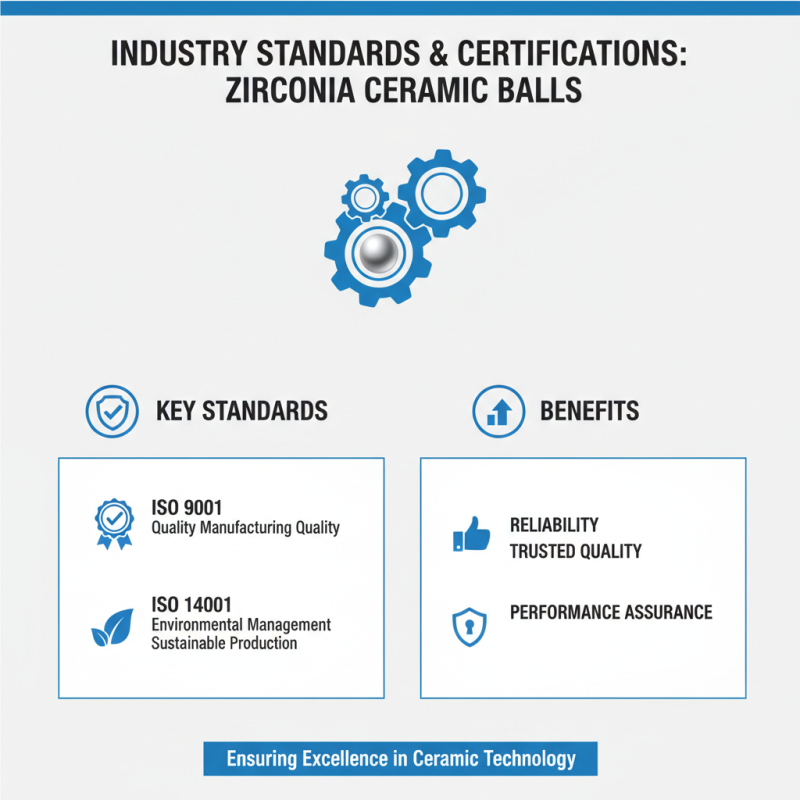
When selecting zirconia ceramic balls, understanding industry standards and certifications is crucial. These balls typically meet standards such as ISO 9001, which ensures consistent quality across the manufacturing process. Additionally, certifications may also include ISO 14001 for environmental management. Adhering to these standards signals to users that the products are produced under strict quality control measures.
Zirconia ceramic balls are praised for their hardness and wear resistance, making them ideal for various applications. According to industry reports, they exhibit a hardness of approximately 1,200 HV, which enhances their durability. However, not all zirconia ceramic balls are created equal. Variations in composition, while termed “high-purity,” can result in discrepancies in performance. It’s essential to review the specific properties listed in a manufacturer’s material safety data sheet (MSDS) or technical data sheet.
Some manufacturers may not provide full transparency on their testing protocols. Without proper certifications, buyers risk acquiring inferior products that may fail under stress. Moreover, inconsistencies in production can lead to functional issues. It’s vital to choose suppliers who openly share their quality assurance processes and testing results. This insight helps ensure that you select the right zirconia ceramic ball for your needs.