
News
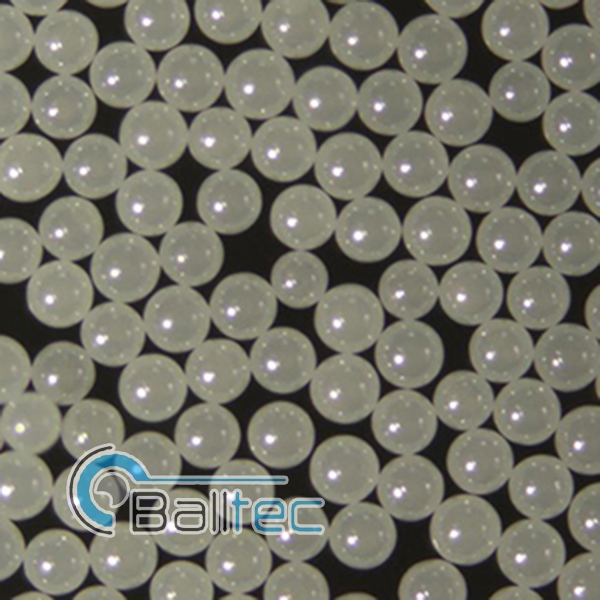
The grinding effects of oxide zirconia beads of different diameters on ink
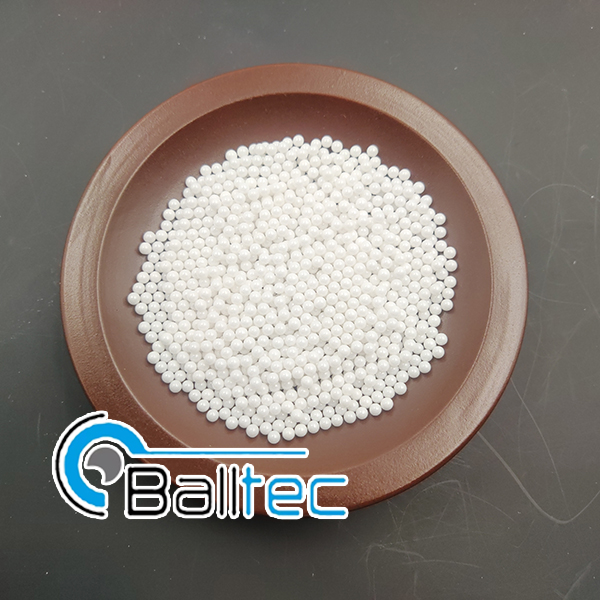
Material grinding is an important step in ink production, and the quality of grinding can be indicated by the degree of material dispersion. The different particle sizes of our zirconia beads affect the grinding effect and efficiency of the materials.

Production Process and Advantages of Zirconia Balls via Dropping Molding
The dropping molding process of zirconia balls mainly consists of the following four steps:
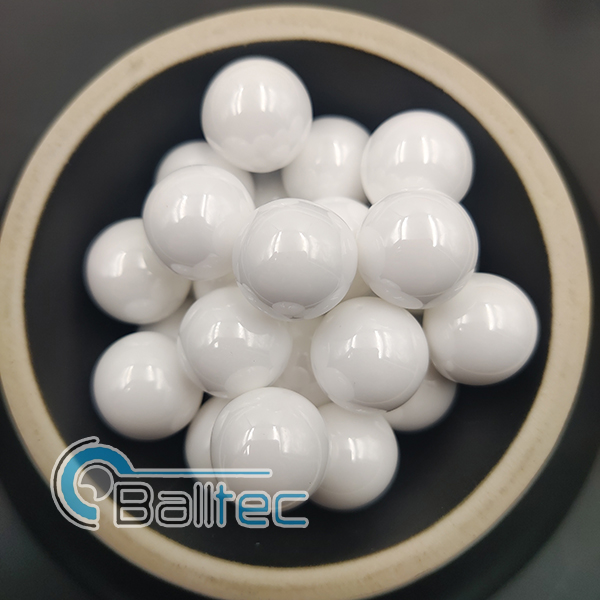
Introduction to the Production Processes of Zirconia Balls
There are mainly three preparation processes for zirconia balls: compression molding, rolling molding, and dropping molding.
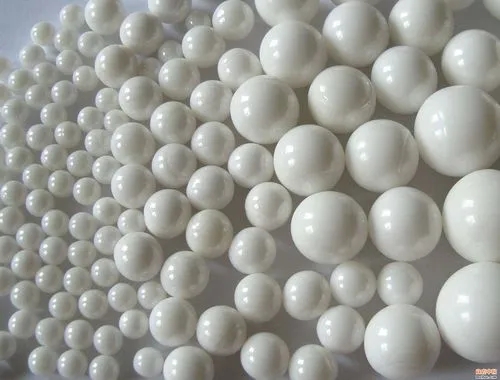
Zirconia Ball: Applications and Features Overview
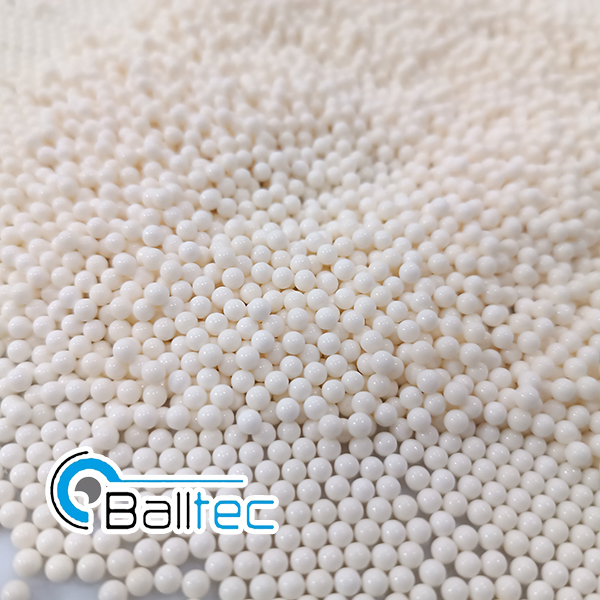
Zirconia Ball, made primarily from zirconium dioxide (ZrO₂), is a high-performance ceramic ball. Zirconia (ZrO₂) is a material known for its high hardness, wear resistance, and corrosion resistance. Zirconia balls are widely used in applications that demand high strength and durability, owing to their superior mechanical properties and excellent resistance to chemical attacks.
Introduction to Silicon Nitride Ceramic Bearing Balls
Silicon nitride ceramic bearing balls, made from high-purity silicon nitride (Si₃N₄) powder through processes like hot isostatic pressing (HIP) and precision grinding, are advanced structural ceramic components widely used in high-performance bearing systems. Unlike traditional steel bearing balls, their unique material composition endows them with exceptional properties that meet demanding industrial needs.
The Influence of Different Grinding Times on the Dispersion Effect of Water-Based Inks
Water-based inks, composed of colorants (pigments), binders, dispersants, and deionized water, rely heavily on the uniform dispersion of pigment particles to achieve stable performance (e.g., color consistency, gloss) and printability. Grinding is the core process that breaks pigment agglomerates into primary particles and distributes them evenly in the aqueous phase.