

News
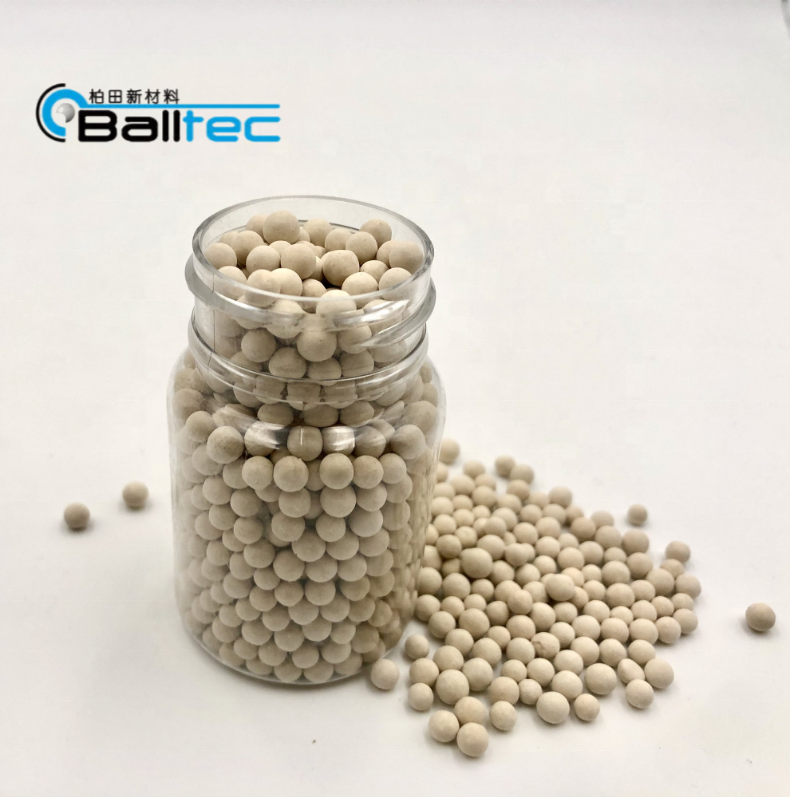
The uses and functions of 4A molecular sieve
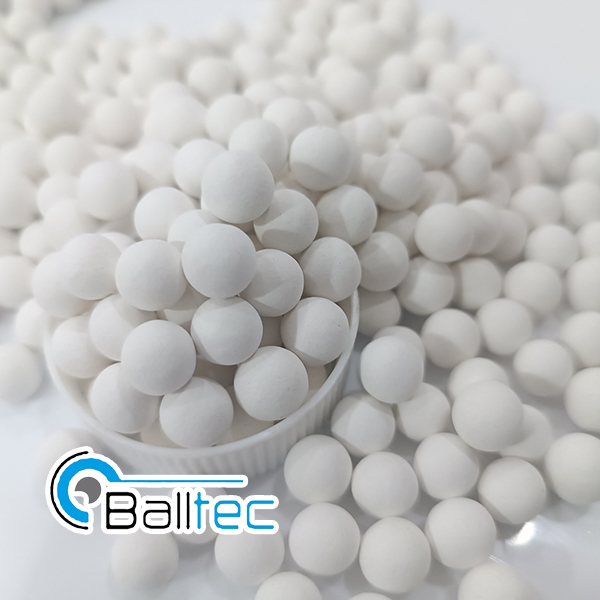
Granular 4A molecular sieve is a commonly used chemical product in chemical production, typically serving as an adsorbent and catalyst.
The synthesis technology of 4A molecular sieve has evolved from the original process using alumina, silica and alkali as raw materials to the current multi-material synthesis technology with clay and other minerals as raw materials. After the successful development of high-performance granular binder-free 4A molecular sieve, it has become a powerful assistant for many industrial producers.
In the industrial development of recent years, the classification of molecular sieves has been gradually expanding.
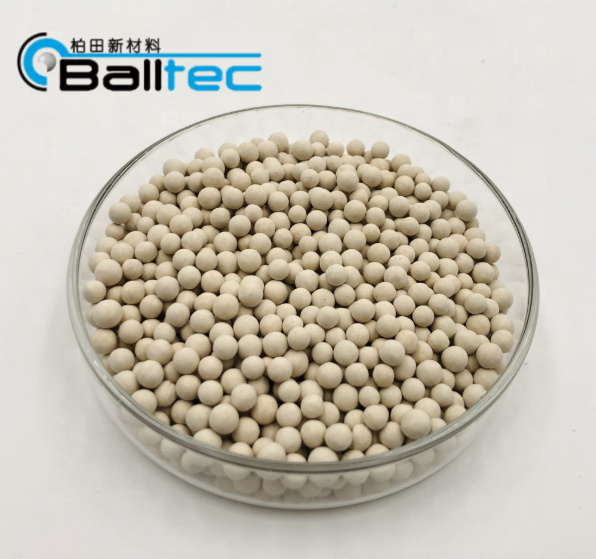
Adsorption Principle of Molecular Sieves
Molecular sieves are porous aluminosilicate crystals, also known as zeolites, which exist in both natural and synthetic forms. They are hydrated aluminosilicates with numerous uniform pores; these evenly sized channels, on the molecular scale, are interconnected, and their cavities are usually occupied by adsorbed water and crystal water. Macromolecules are excluded from the cavities, hence the name "molecular sieve".
They exhibit strong adsorptive capacity for polar and polarizable molecules. Water, as a highly polar molecule with a diameter smaller than the pore size of molecular sieves, is extremely easily adsorbed by them—making molecular sieves excellent adsorbents.
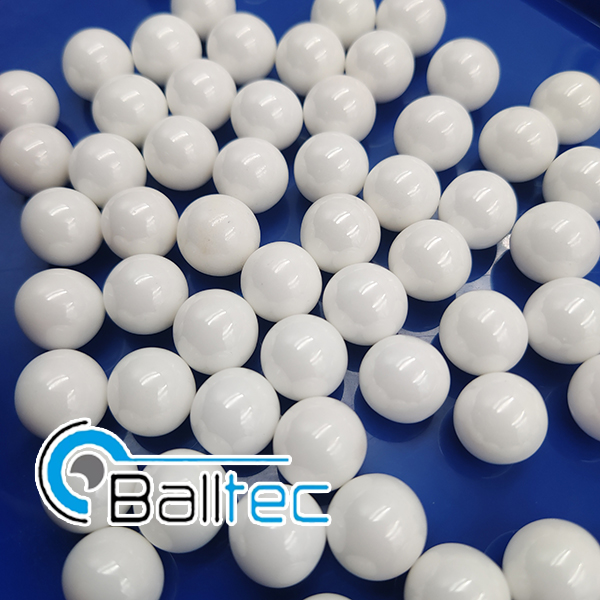
Methods for Reducing the Wear of Zirconia Beads
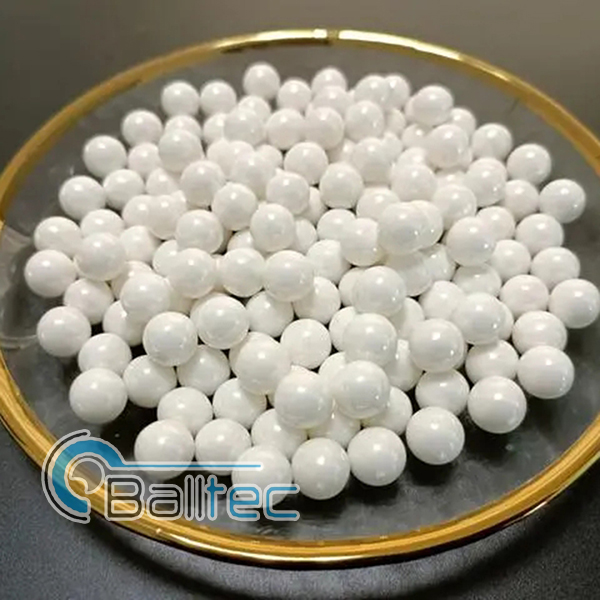
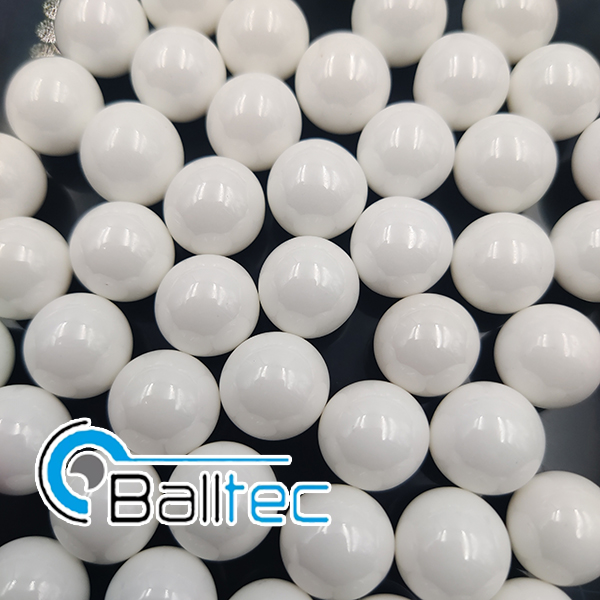
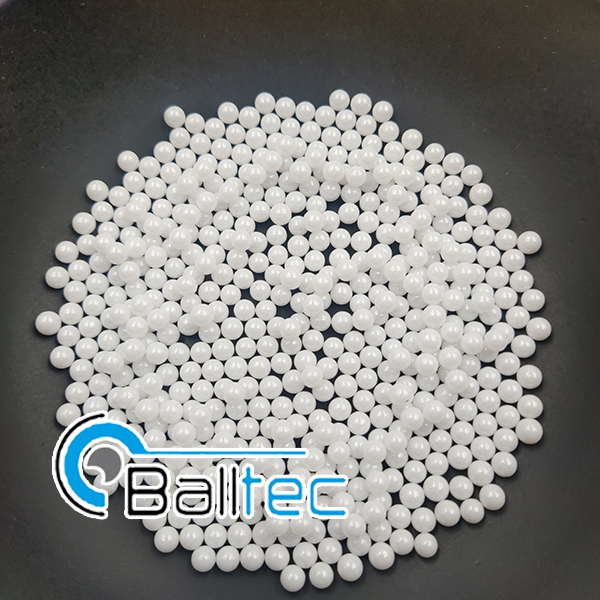
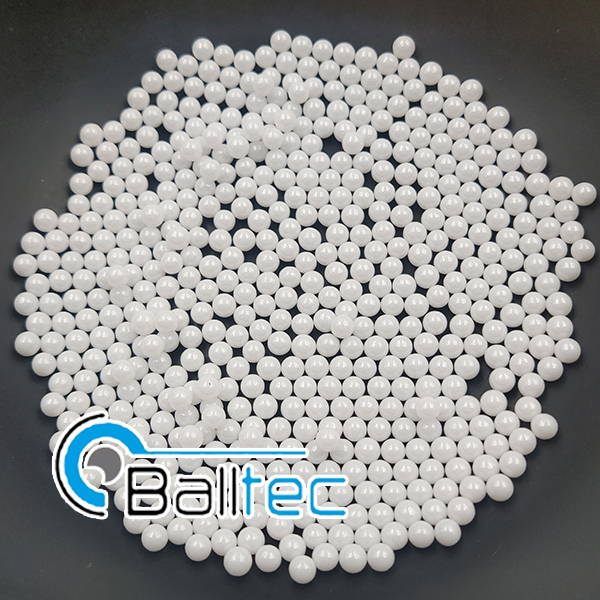
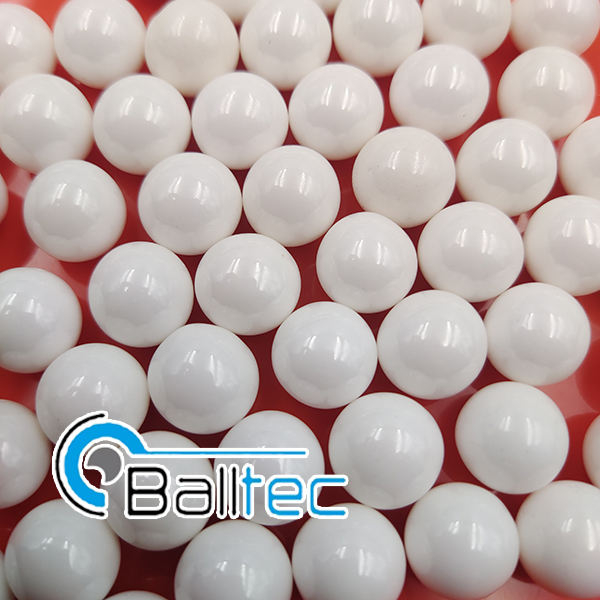
Zirconia beads and zirconia grinding balls both refer to spherical grinding media made from zirconia as the raw material. They are specialized grinding media primarily used for the ultra-fine grinding and dispersion of high-viscosity and high-hardness materials, and are widely applied in the milling of materials across industries including electronic ceramics, magnetic materials, lithium battery materials, food, pigments, dyes, coatings, inks and special chemical engineering. Terms such as zirconia beads, zirconia grinding beads, zirconia balls, yttrium-stabilized zirconia beads, 95 zirconia beads, pure zirconia beads, cerium-stabilized zirconia beads, 80 zirconia beads, zirconium silicate beads, 65 zirconia beads—these are all designations used in the grinding industry for zirconia grinding media balls with different material compositions and zirconia content ratios.
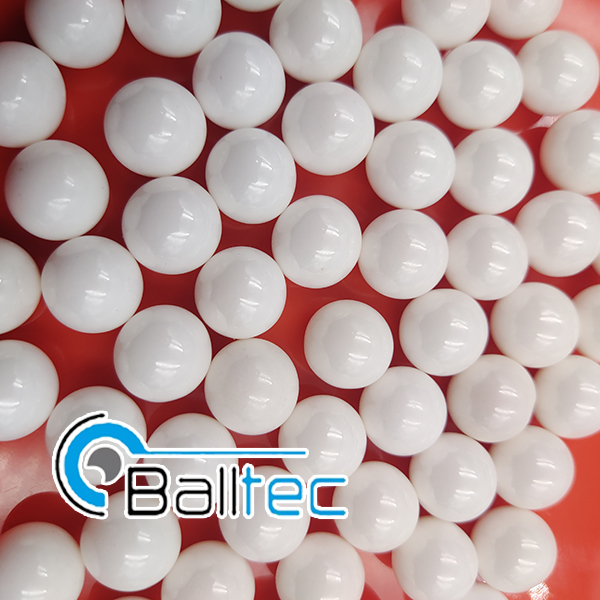
The manufacturing process of zirconia beads
Zirconia beads are mostly composed of tetragonal zirconia, hence also known as "TZP" zirconia beads. Made from micron and sub-nanometer grade zirconia and yttria as raw materials, they are a type of grinding media specifically designed for the ultra-fine grinding and dispersion of materials requiring zero contamination, as well as high-viscosity and high-hardness substances.
Causes of Powder Adhesion to the Wall and Sedimentation Caking in Planetary Ball Mill Jars
For planetary ball mills, we usually classify the ground particle size distribution into the following grades: millimeter to micron (3 mm–10 μm), submicron (10 μm–3 μm), and nanometer (3 μm–1 nm). Generally, the grinding process from millimeter to micron proceeds very smoothly; using zirconia beads of 15 mm, 10 mm, and 5 mm can reduce the particle size rapidly. However, grinding from the micron to the submicron and then to the nanometer scale presents certain difficulties, and problems such as powder adhering tightly to the inner wall of the ball mill jar or caking at the bottom tend to occur. The reasons are as follows:
What are the uses of zirconium oxide beads?
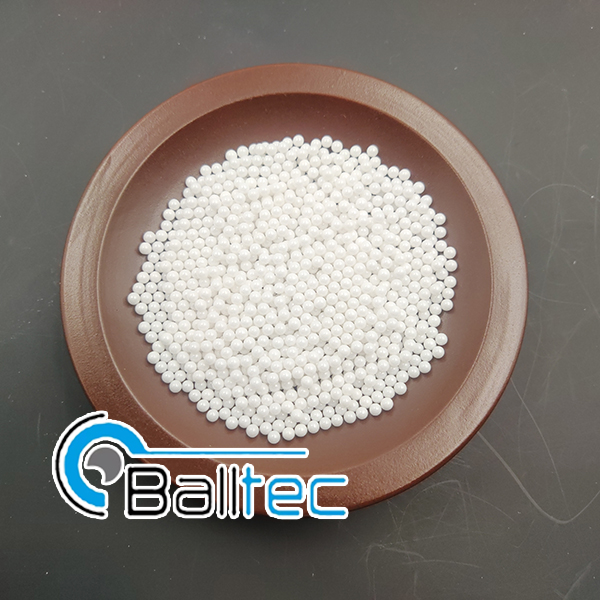
Zirconium oxide beads are a common industrial material, widely used in fields such as ceramics, glass, and coatings. They possess characteristics such as high hardness, high wear resistance, high chemical stability, and low thermal expansion coefficient, which makes them exhibit excellent performance in many industrial applications. The following will introduce the uses and functions of zirconium oxide beads in various fields.