
News
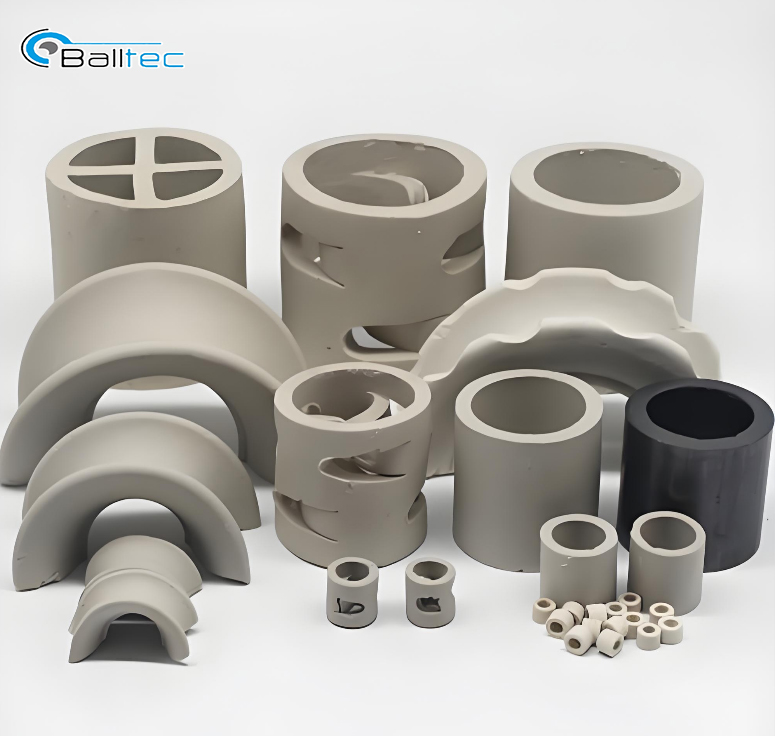
Several Common Types of Ceramic Packing
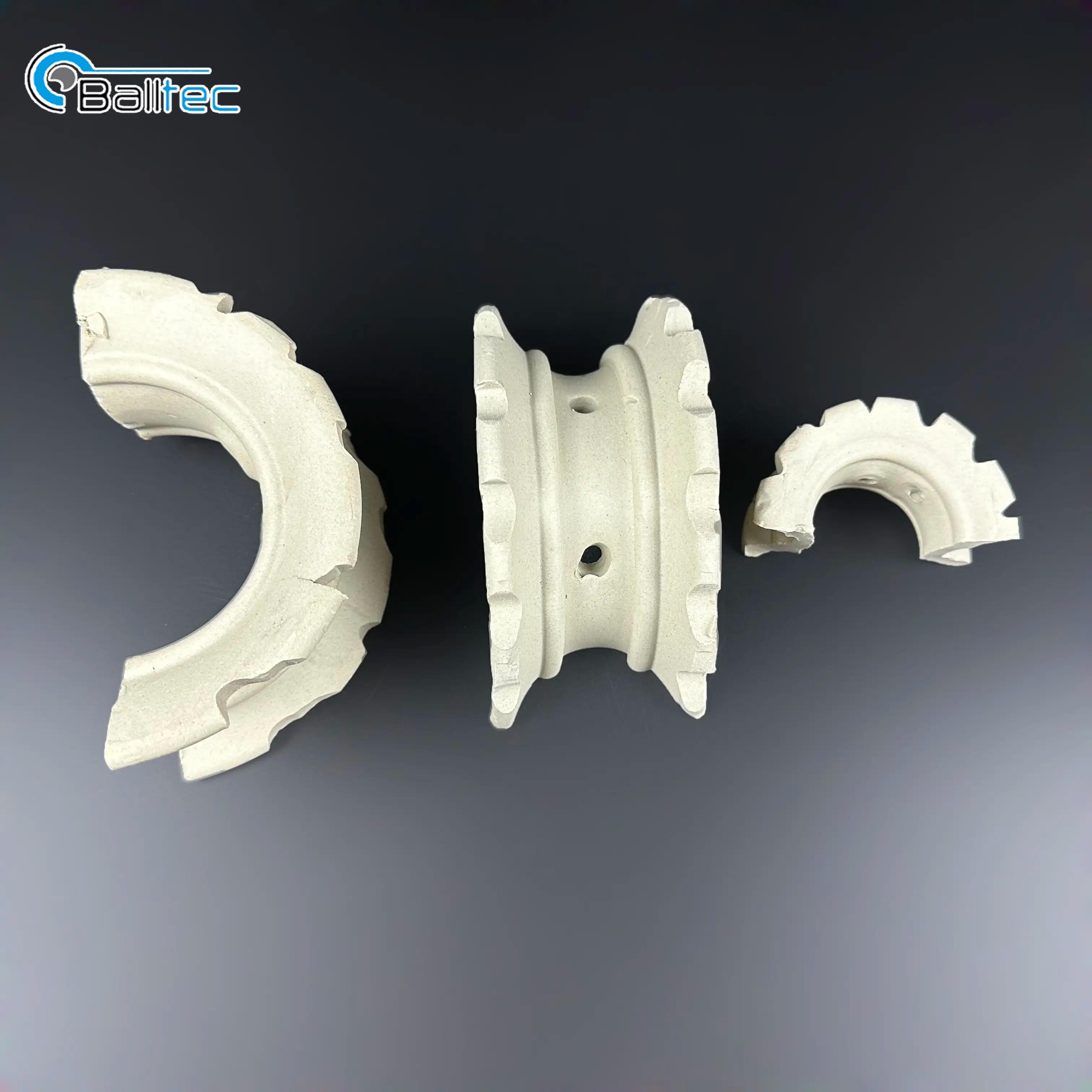
Ceramic packing, also known as ceramic rings, features excellent acid and heat resistance and is resistant to corrosion by various acids and alkalis
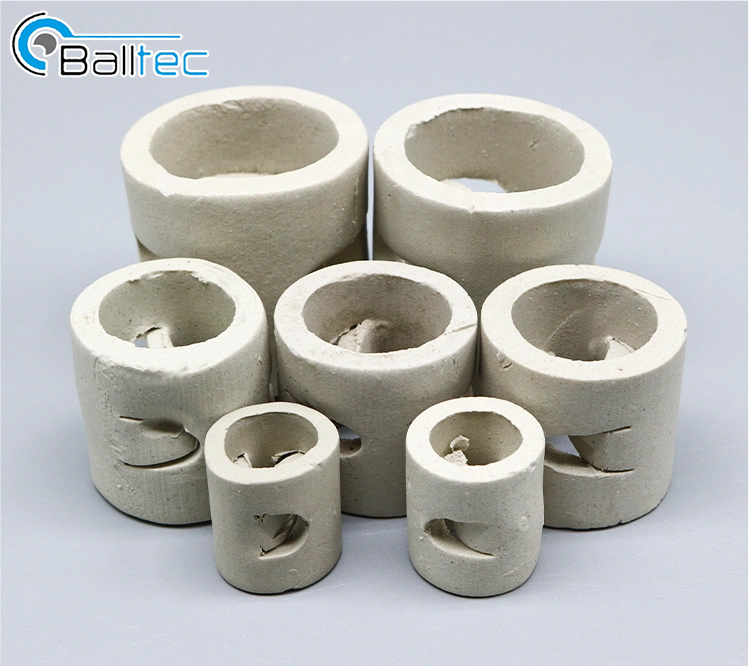
Ceramic Bauer ring
The ceramic Bauer ring is a material with unique characteristics and advantages. Its main function lies in its wide range of application fields. Its features include high load capacity, low resistance, and ease of cleaning. Its advantages lie in having excellent high-temperature resistance, corrosion resistance, and good environmental protection performance.
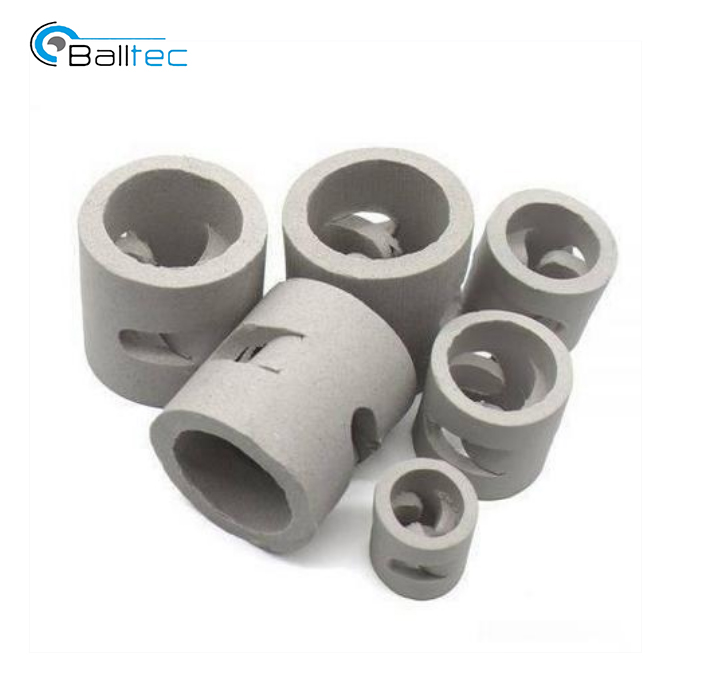
Which filling method should be adopted for ceramic random packing?
In people's general impression, it is widely believed that ceramic random packing can be simply poured into the packing tower during installation. However, the actual tower packing is not that simple. If the random packing is poured into the tower casually, the packing density will be uneven; in severe cases, it may cause the ceramic packing to break, thereby leading to uneven gas-liquid distribution and a decrease in separation efficiency.
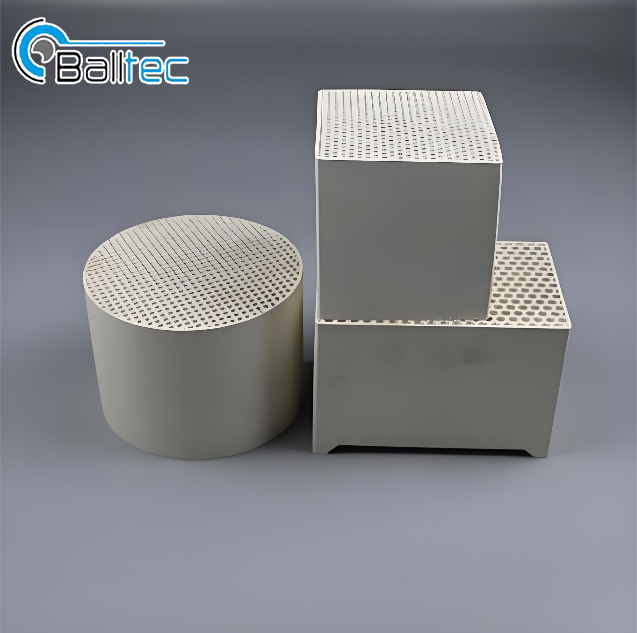
What is honeycomb ceramic packing?
Honeycomb ceramic packing is a porous industrial ceramic with an internal structure consisting of numerous parallel channels in a honeycomb shape. These honeycomb units are separated by thin, grid-like partitions. Compared to conventional bulk ceramics, honeycomb ceramic packing offers advantages such as a large specific surface area, low pressure drop, minimal resistance, high-temperature resistance, excellent chemical stability, low thermal expansion, good thermal insulation, lightweight properties, and high strength. As a result, it is particularly suitable for use as a catalyst carrier in various applications.
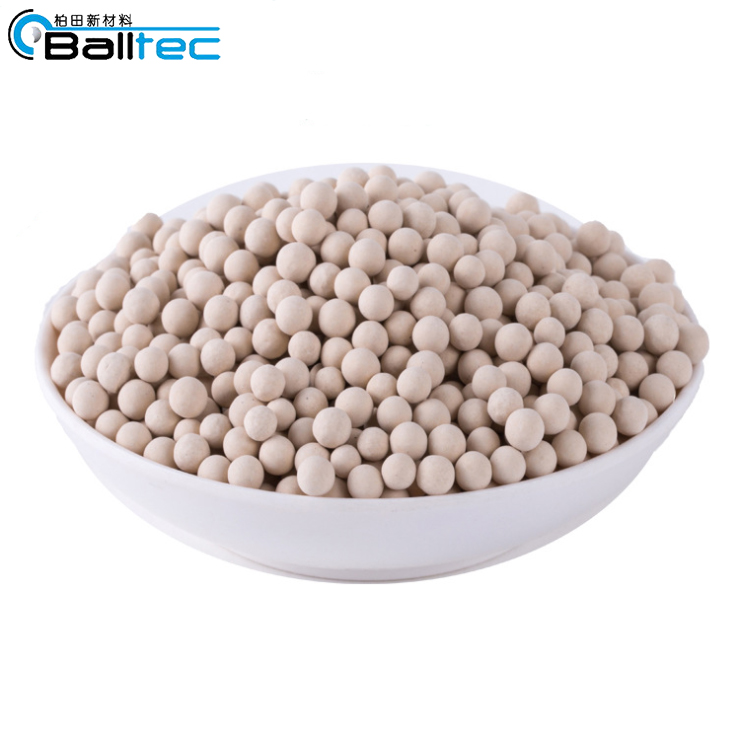
What is a hollow glass molecular sieve?
The most ideal desiccant for insulating glass is 3A molecular sieve. When 3A molecular sieve comes into contact with air, it only absorbs gaseous water molecules and some organic substances in the air, and does not absorb other components of the air.
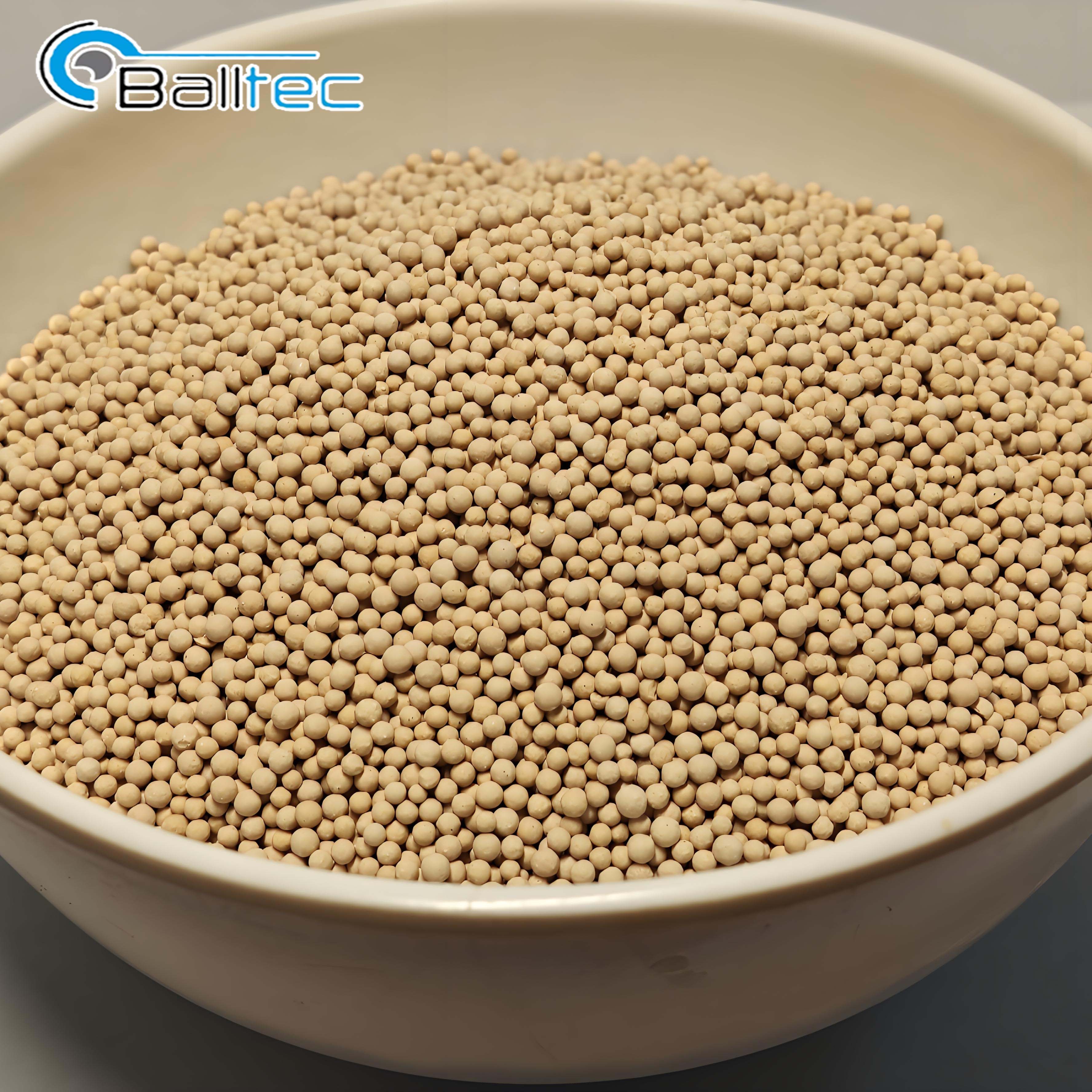
Differences Between 4A Molecular Sieve and Silica Gel Desiccant
Both 4A molecular sieve and silica gel are desiccants, so which one has a better drying effect, and what are the differences between the two products?