2026 Top Zirconia Ceramic Precision Ball Buying Guide?
When navigating the realm of precision components, the "Zirconia Ceramic Precision Ball" stands out for its durability and performance. This intricate product plays a crucial role in various industries, including aerospace, automotive, and medical applications. Understanding its properties is essential for making informed purchasing decisions.
Zirconia ceramic balls are known for their high strength and wear resistance. Their unique characteristics make them preferable in many technical environments. However, buyers often face challenges in selecting the right product. Factors such as size, tolerances, and application-specific requirements must be carefully considered.
Finding the best Zirconia Ceramic Precision Ball is not always straightforward. There are many options available, but not all are equally reliable. A critical evaluation of suppliers is necessary to ensure quality. Reflecting on these factors can lead to better choices and greater satisfaction in your purchase.
Understanding Zirconia Ceramic Precision Balls: Key Characteristics
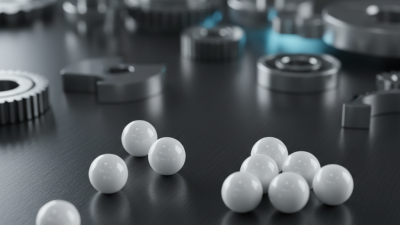
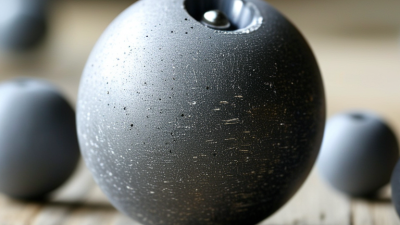
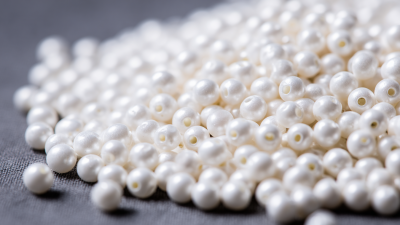
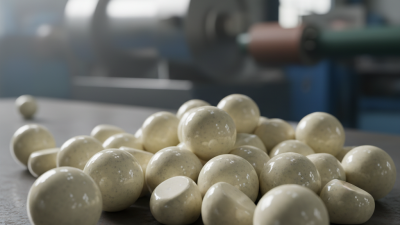
Zirconia ceramic precision balls stand out due to their unique properties. They are known for their hardness and durability. This material exhibits excellent resistance to wear and corrosion. When examined closely, you’ll notice their smooth surface, which reduces friction. This is vital in various applications, from industrial machinery to medical devices.
Understanding how these balls perform under pressure is essential. Their ability to withstand high temperatures makes them versatile. However, they can be brittle under certain conditions. It’s crucial to evaluate the environment where they’ll be used. For instance, in applications with heavy loads, careful selection of these precision balls is necessary. Overlooking the load requirements can lead to unexpected failures.
Manufacturing quality plays a significant role too. An inconsistent production process might lead to defects. Flaws can diminish performance and reliability. It is wise to consult with experts who can provide guidance on choosing the best options. The cost varies significantly based on quality and specifications, so proper research is invaluable.
Applications of Zirconia Ceramic Balls in Various Industries
Zirconia ceramic balls are gaining traction in various industries due to their unique properties. They are highly resistant to wear and corrosion. This makes them ideal for applications in the automotive and aerospace sectors. According to a recent market analysis, the demand for zirconia balls is expected to grow significantly. Projected growth rates for these materials exceed 6% annually over the next five years.
In medicine, zirconia is used in dental implants and prosthetics. Its biocompatibility is crucial for these applications. Zirconia's strength allows it to endure the high pressures often encountered in dental settings. The material's aesthetic qualities also enhance patient satisfaction. Additionally, these balls are finding uses in precision instruments and manufacturing.
**Tip:** When selecting zirconia ceramic balls, consider the specific industry requirements. Different applications may need varying dimensions and surface finishes.
Another point to remember is that not all zirconia balls are created equal. Quality can fluctuate based on the manufacturing process. Testing for hardness and fracture toughness is essential for ensuring reliability. Investing in quality materials can save costs in the long run.
Factors to Consider When Buying Zirconia Ceramic Precision Balls
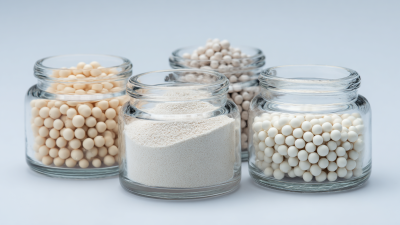
When selecting zirconia ceramic precision balls, several critical factors come into play. The composition of the zirconia material significantly impacts performance. High-purity zirconia, typically above 99.5%, offers superior wear resistance and durability. The quality of the manufacturing process also matters. Precision grinding and polishing can enhance surface finish and dimensional accuracy, leading to better performance in applications.
Size and tolerance are other essential considerations. These balls come in various diameters, typically ranging from 1 mm to 50 mm. Tight tolerances can greatly influence the ball's fit in mechanical systems. According to industry reports, deviations in size can reduce efficiency and increase operational costs.
The operating environment is crucial too. Zirconia ceramic balls excel in harsh environments due to their corrosion resistance. However, they may not be suitable for extreme temperatures. As researchers highlight, understanding the application requirements can prevent costly mistakes. Balancing these factors requires expertise. A thoughtful approach can lead to informed purchasing decisions, ensuring optimal performance and longevity.
2026 Top Zirconia Ceramic Precision Ball Buying Guide
| Feature |
Description |
Importance (1-5) |
Typical Applications |
| Material Quality |
High purity zirconia to ensure durability and performance. |
5 |
Aerospace, automotive, medical devices |
| Size Range |
Variety of diameters available for different applications. |
4 |
Precision engineering, ball bearings |
| Surface Finish |
Smooth surface reduces friction and wear. |
4 |
Industrial machinery, robotics |
| Heat Resistance |
Can withstand high temperatures without losing integrity. |
5 |
High-temperature applications, electronics |
| Chemical Resistance |
Resistant to acids and bases, prolonging lifespan. |
4 |
Chemical processing, food industry |
Top Brands and Manufacturers of Zirconia Ceramic Balls in 2026
When selecting zirconia ceramic balls in 2026, knowing the top brands and manufacturers is essential. The global market for zirconia ceramics is expected to grow significantly, with projections estimating a market size of around $4 billion by 2026. This growth is driven by the increasing demand in various industries, including automotive and medical applications.
Key manufacturers are focusing on advanced manufacturing techniques. Innovations in material processing have led to stronger and more durable zirconia balls. Many of these producers are adopting precision engineering to ensure optimal performance. However, not every manufacturer meets the rigorous standards required. Buyers should look for certifications that indicate quality and reliability.
Consumer reviews and industry reports highlight the discrepancies in product performance. Some brands may offer attractive pricing but lack longevity. Testing results have shown that a small percentage of zirconia balls can fail under high-stress conditions. Therefore, it's vital to conduct thorough research and possibly trial different options before finalizing a purchase. Understanding manufacturer backgrounds and material specifications can guide buyers towards informed decisions.
Tips for Evaluating Quality and Performance of Zirconia Precision Balls
When evaluating the quality and performance of zirconia precision balls, it’s crucial to consider several key factors. First, examine the material composition. Zirconia is known for its hardness and durability. A high-quality ball should have a uniform structure. Any inconsistencies could lead to premature wear.
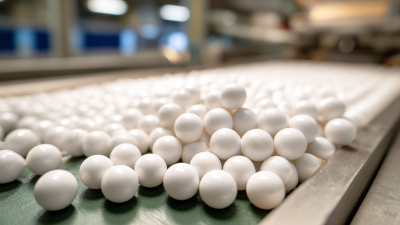
Next, focus on the manufacturing process. Advanced techniques like precision grinding or polishing ensure smooth surfaces. This aspect impacts the ball's friction and overall performance in applications. Take note of the dimensional tolerances as they must meet strict specifications for optimal functionality. Precision balls can vary slightly in size, impacting how they fit in assemblies.
Lastly, consider the application environment. Certain conditions may require unique properties, like temperature resistance or chemical stability. Balancing these characteristics is important. Testing the balls under real-world conditions can provide insights into their reliability. Keep in mind that perfection in manufacturing is challenging; some imperfections may occur. Taking time to reflect on these details can lead to more informed purchasing decisions.
2026 Zirconia Ceramic Precision Balls Quality Evaluation