2026 Best 95% Zirconia Bead for Global Buyers Guide?
In the rapidly evolving industry of grinding and milling, 95% Zirconia Bead has emerged as a top choice among global buyers. These beads offer superior performance due to their high density and exceptional wear resistance. According to recent market analysis, the use of zirconia beads has increased by over 25% in the past five years, highlighting their growing significance in various applications, including ceramics and coatings.
Expert reports indicate that 95% Zirconia Bead is particularly valued for its ability to reduce contamination during the milling process. Additionally, the beads demonstrate excellent stability in high friction environments. Yet, some users express concerns about the cost compared to other materials. This presents an opportunity for manufacturers to emphasize the long-term benefits of investing in high-quality zirconia beads, despite the higher initial expenses.
The evolving demands of the industry require constant innovation and improvement. Continual reassessment of supplier selections for 95% Zirconia Bead can lead to better performance outcomes. Thus, buyers must remain vigilant about product quality and potential sources of variation in bead production. Rigorous testing and validation can help ensure that customers receive reliable and effective products that meet their specific needs.

Introduction to Zirconia Beads: Definition and Applications
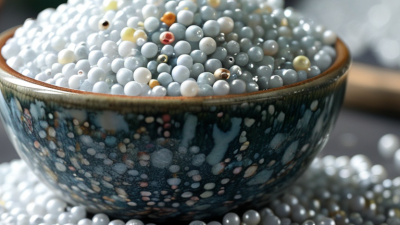
Zirconia beads are crafted from zirconium dioxide. They are known for their exceptional hardness and durability. These beads are widely used in various industries, primarily for grinding and milling purposes. Their resistance to wear makes them ideal for applications in ceramics, paints, and coatings. Many users appreciate their ability to produce fine and smooth surfaces.
In recent years, the demand for zirconia beads has increased significantly. Many buyers seek high-quality options to enhance productivity. The use of these beads in the manufacturing process can lead to better results compared to traditional materials. However, not all zirconia beads are created equal. It is critical for buyers to evaluate specifications such as size, density, and structure. This assessment can directly affect performance and outcomes in production.
Some challenges exist when choosing zirconia beads. For instance, the market is flooded with varying qualities, which can be overwhelming. Every buyer must conduct thorough research to ensure they make informed decisions. It is essential to consider feedback from credible sources in the industry. High costs do not always guarantee superior quality. A balanced approach is vital when selecting the right zirconia bead for specific needs.
Key Features of High-Quality Zirconia Beads for Buyers
When considering zirconia beads, understanding key features is essential for making informed choices. High-quality zirconia should be dense and have a low porosity. According to the International Journal of Ceramic Engineering, top-grade zirconia typically contains over 95% ZrO2, leading to superior wear resistance and durability. This durability is critical, especially for applications in grinding and polishing.
Another essential aspect is the bead's surface finish. A well-finished bead minimizes friction and boosts performance. Data indicates that smoother surfaces, achieved through advanced manufacturing techniques, can enhance both the efficiency and lifespan of zirconia beads. Pay attention to the bead size, as uniform sizes ensure consistent performance in applications. Various studies have shown that even slight variations can affect the overall effectiveness.
Consider these tips when choosing zirconia beads. Look for suppliers who provide detailed specifications and certifications. It’s also wise to ask about the manufacturing process, as it reflects the quality. Remember, not all beads are equal; you might encounter varying performance levels that warrant a thorough evaluation. Doing your research can save costs and improve operational efficiency.
Top 2026 Brands of Zirconia Beads: A Comparative Review
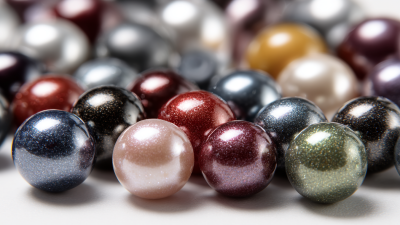
In 2026, the market for zirconia beads continues to grow due to their durability and aesthetic appeal. Recent reports indicate that zirconia beads have a market penetration rate of over 20% within the jewelry industry. Their popularity stems from their high resistance to wear and scratch, making them ideal for various applications. However, not all zirconia beads are created equal. Variations in quality can lead to inconsistencies that impact both performance and appearance.
Buyers should look beyond appearance. The manufacturing process plays a crucial role in the effectiveness of zirconia beads. Studies show that beads produced with advanced technologies, like high-temperature sintering, exhibit superior mechanical properties. However, some brands still rely on outdated methods. This inconsistency may result in beads that chip easily or lose their luster over time. Prices can be deceptive; a lower price might reflect subpar quality, which could necessitate more frequent replacements.
Comparative reviews of top brands illustrate these differences. Several brands have emerged as leaders in quality and customer satisfaction. Yet some smaller manufacturers offer competitive pricing at the expense of durability. Buyers need to consider both cost and longevity. Market analysis suggests that investing in higher-quality beads pays off in the long run. Recognizing these distinctions is vital for informed purchasing decisions in the diverse zirconia bead market.
2026 Best 95% Zirconia Bead - Comparative Review
This chart illustrates the performance metrics of zirconia beads based on various factors such as durability, surface finish, consistency, cost, and weight. Each metric is rated on a scale from 0 to 100, providing a clear comparison for global buyers looking to assess the quality of zirconia beads in 2026.
Factors to Consider When Choosing Zirconia Beads for Your Needs
When selecting zirconia beads, consider several crucial factors to ensure you meet your project needs. The size of the beads is paramount. For instance, smaller beads are optimal for precision applications, such as polishing metals or ceramics. Larger beads, on the other hand, suit mixing and grinding tasks. The bead size impacts the effectiveness significantly, with a recent study indicating that a 10% increase in bead size can enhance grinding efficiency by up to 15%.
Another essential aspect is the bead's density. High-density zirconia beads typically provide better performance in high-energy environments. Reports show that beads with a density over 6.0 g/cm³ may reduce processing time. However, it’s key to balance density with cost, as high-density beads can be significantly more expensive.
Lastly, consider the bead's surface finish. A smoother finish can reduce wear on equipment and deliver better results in applications requiring less friction. Choosing the wrong finish can lead to higher operational costs and frequent maintenance issues, which can be frustrating. Each of these factors contributes to the overall performance of zirconia beads, making informed choices critical for successful outcomes.
2026 Best 95% Zirconia Bead for Global Buyers Guide
| Attribute |
Description |
Importance Level |
| Material Quality |
High-quality zirconia with 95% purity ensures durability and performance. |
Critical |
| Size Options |
Various sizes available for different applications from jewelry to industrial uses. |
High |
| Surface Finish |
Smooth finish enhances aesthetics and reduces wear on machinery. |
Medium |
| Color Variety |
Available in multiple colors for creative applications. |
Low |
| Price Range |
Price varies based on size, quality, and order quantity. |
Medium |
| Supplier Reputation |
Choosing suppliers with a strong reputation ensures quality and reliability. |
Critical |
Sourcing Zirconia Beads: Reliable Suppliers and Market Trends
When sourcing zirconia beads, understanding market trends is crucial. The demand for high-quality zirconia beads is growing across various industries, including cosmetics and manufacturing. Buyers should prioritize suppliers known for their reliability and expertise. Investigating a supplier’s past performance can help gauge their capabilities and quality standards. Always request samples to assess the beads’ durability and finish before committing to larger orders.
Tips for selecting reliable suppliers include checking for certifications. Ensure they follow international quality standards. Engaging with online forums can provide insights about suppliers' reputations. Pay attention to feedback from other buyers. This can reveal potential issues or highlight exceptional service providers.
When analyzing market trends, keep an eye on pricing fluctuations. The cost of zirconia beads can vary based on raw material availability and production capabilities. Transparency from suppliers about pricing factors can build trust and facilitate more effective negotiations. Remember, a good supplier partnership is often rooted in open communication and mutual respect.