What is the Use of Zirconia Beads in Industry?
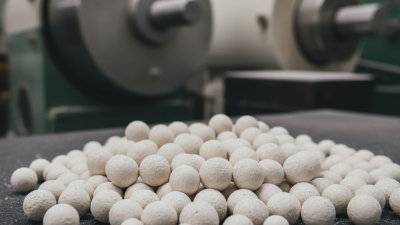
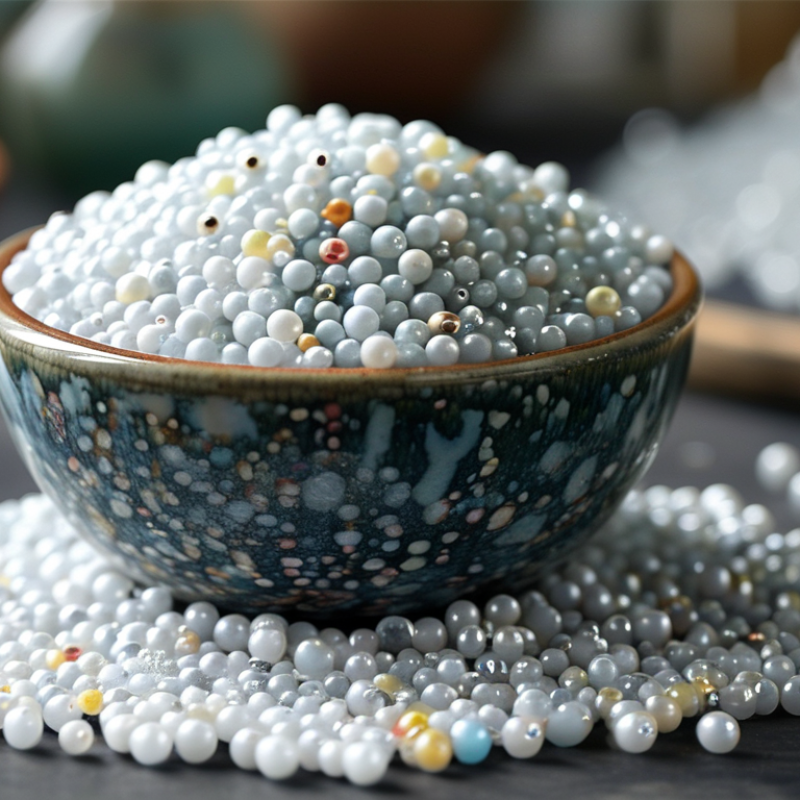
Zirconia beads use has revolutionized various industries, bringing a wealth of benefits. These beads, made from zirconium dioxide, are known for their durability and versatility. They play a crucial role in applications like grinding, mixing, and polishing. Industries such as ceramics, pharmaceuticals, and cosmetics heavily rely on these high-performance beads.
Their unique properties, including high density and chemical resistance, make them especially valuable. In grinding processes, they offer efficient material reduction while minimizing contamination. The result is a cleaner end product, which is essential in sensitive fields like pharmaceuticals. However, despite their advantages, the cost of zirconia beads can be a concern for some businesses.
Companies must weigh the benefits of zirconia beads use against their investment. Though they are effective, the decision to use them can be complex. Organizations need to assess their specific needs and budgets. Ultimately, zirconia beads offer a compelling option, but careful consideration is crucial.
Applications of Zirconia Beads in Industrial Mixing Processes
Zirconia beads are increasingly important in various industrial mixing processes due to their unique properties. These beads exhibit high density and resistance to wear, making them ideal for applications in grinding and dispersion. According to industry studies, zirconia beads can improve the efficiency of mixing by up to 30%, compared to traditional materials. Their hardness allows them to withstand high-energy environments without breaking down, reducing the frequency of replacements.
In industries like pharmaceuticals and cosmetics, precise mixing is crucial. Zirconia beads ensure a uniform product consistency, which is vital for effective formulations. A recent report indicated that the use of zirconia beads increased the quality of blends by 25%. However, the cost of these materials can be a concern. While they provide long-term savings through durability, the initial investment may deter some smaller operations from adopting them.
Moreover, there are still ongoing discussions about the optimal size and shape of zirconia beads for different applications. Many experts agree that while round beads offer better flow dynamics, irregular shapes can enhance mixing efficiency in specific scenarios. This discrepancy calls for further research, as the industry seeks to fine-tune the parameters for maximum performance. Adapting these innovations requires careful consideration of both operational requirements and budget constraints.
The Role of Zirconia Beads in Surface Finishing and Polishing
Zirconia beads have become essential in surface finishing and polishing across various industries. Their unique properties make them ideal for applications that require precision and quality. Known for their hardness and durability, zirconia beads exhibit a significant resistance to wear. Reports suggest that using zirconia in formulations can increase efficiency by up to 30%, providing a cleaner finish.
In the polishing process, zirconia beads work effectively with a variety of materials. They provide a smoother surface due to their uniform size and shape. This consistency is crucial in sectors like aerospace, automotive, and electronics. Research indicates that minimizing surface roughness improves the durability of components, making zirconia an ideal choice. However, achieving optimal results depends on specific process parameters, such as bead size and material compatibility.
Despite their advantages, there are challenges with zirconia beads. For instance, the initial cost can be higher compared to other media. Some processes may require adjustments in speed and duration to maximize performance. Not all operators are familiar with these parameters, which can lead to subpar polishing results. Continuous education and training are essential for those utilizing zirconia beads in their finishing processes. The balance between cost and quality remains a topic for further exploration in the industry.
Zirconia Beads in Pharmaceutical Manufacturing: Benefits and Use Cases
Zirconia beads are increasingly popular in the pharmaceutical manufacturing sector. Their unique properties make them ideal for various applications. The hardness and durability of zirconia allow for effective grinding and milling of raw materials. This efficiency translates to improved product quality and consistency in pharmaceuticals.
The use of zirconia beads in wet milling processes enhances particle size reduction. Smaller particle sizes lead to better solubility and bioavailability of Active Pharmaceutical Ingredients (APIs). Moreover, these beads exhibit minimal wear during operation, ensuring a longer lifespan and reduced contamination risk during production. This means that manufacturers can achieve higher purity levels for their products.
When considering zirconia beads, ensure proper selection based on the application needs. Not all beads may suit every process. It's essential to conduct trials to evaluate performance. Additionally, maintain the equipment in which these beads are used, as wear and tear can impact the final product quality. Regular assessment can help identify potential issues and improve overall effectiveness.
Understanding the Impact of Zirconia Beads on Material Grinding Efficiency
Zirconia beads have become a key player in industrial grinding applications. Their enhanced hardness makes them ideal for various materials. When grinding, these beads withstand significant stress, resulting in finer particle sizes. This property contributes to higher grinding efficiency, which is essential for many industries.
Using zirconia beads can significantly reduce the wear on milling equipment. They enable faster processing times and less downtime. However, not every grinding operation may benefit from their use. Understanding the specific materials and desired outcomes is critical. Testing with small batches may reveal unexpected results.
Consider the size and density of the zirconia beads. This will affect the interaction with materials being ground. Careful examination of milling conditions is necessary. Adjusting parameters can lead to better efficiency. Experimenting with different configurations might yield optimal results, but adverse effects could arise if not monitored closely.
Comparative Analysis of Zirconia Beads and Alternative Media in Industry
Zirconia beads have gained popularity in various industries for their unique properties. Their high density and toughness make them suitable for applications ranging from paint and ink production to pharmaceuticals and food processing. A recent industry report highlighted that zirconia beads can enhance the grinding efficiency by up to 30% compared to traditional media like glass or ceramic balls.
When comparing zirconia beads to alternative media, several factors come into play. For example, while glass beads are lighter and often cheaper, they may break more easily during tough grinding processes. Studies indicate that zirconia beads have a lower wear rate, leading to reduced contamination and a longer lifespan in milling operations. Nevertheless, the higher initial cost of zirconia may deter some manufacturers from adopting them despite the long-term savings on media replacement.
Tip: Consider the specific requirements of your application before choosing media. Analyze the materials you're working with and the desired finished product quality. A careful assessment can yield significant operational advantages.
The shift towards zirconia is also evident in its growing market share. As industries aim for higher efficiency and lower environmental impact, the demand for durable media has increased. Despite the clear benefits, some companies still grapple with the transition due to budget constraints and existing supplier relationships.
What is the Use of Zirconia Beads in Industry? - Comparative Analysis of Zirconia Beads and Alternative Media in Industry
| Media Type |
Density (g/cm³) |
Hardness (Mohs) |
Durability (Cycles) |
Applications |
| Zirconia Beads |
6.0 |
8.5 |
1000+ |
Ink, Coatings, Ceramics |
| Glass Beads |
2.5 |
5.5 |
200-500 |
Paints, Cosmetics |
| Steel Beads |
7.8 |
6.0 |
800-1000 |
Metal Finishing, Manufacturing |
| Plastic Beads |
1.0 |
2.5 |
100-300 |
Cosmetics, Low-Friction Applications |