Top 10 Uses for Fine Polished Zirconia Beads in Industry?
In modern industrial applications, Fine Polished Zirconia Beads have emerged as essential materials. Their unique properties make them invaluable in various sectors. According to a report by Allied Market Research, the global market for zirconia materials is expected to reach USD 2.72 billion by 2027. This growth signifies the increasing importance of zirconia in industries like automotive, electronics, and biomedical.
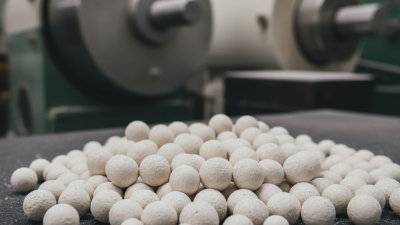
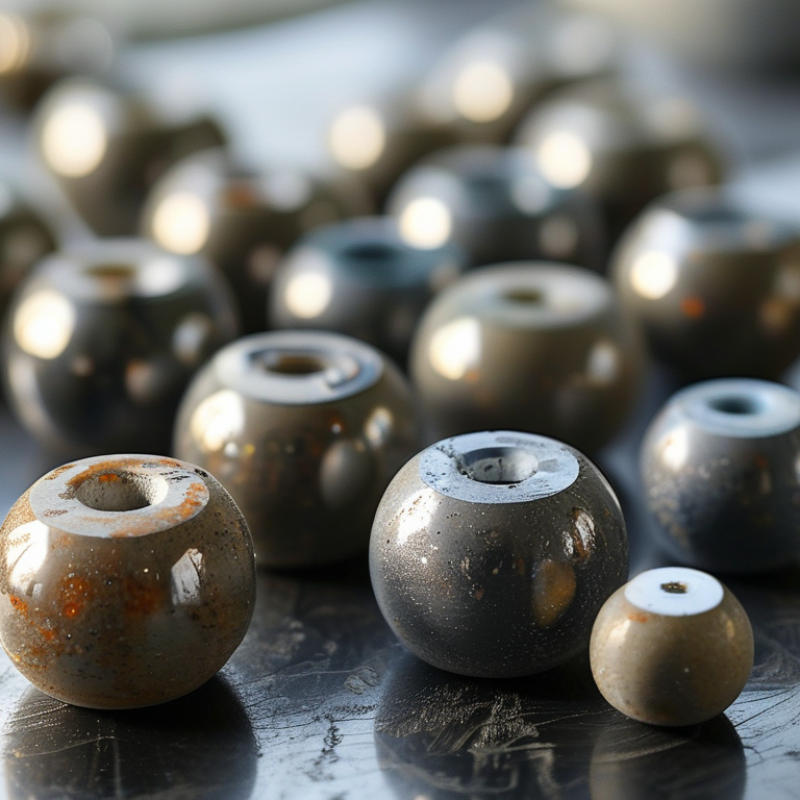
Fine Polished Zirconia Beads are known for their exceptional hardness and resistance to wear. Their smooth surface reduces friction, improving the efficiency of grinding and mixing processes. Experts indicate that these beads can increase the lifespan of equipment by over 30%. Such efficiency is critical in achieving cost savings and enhancing production quality.
Despite their advantages, the use of Fine Polished Zirconia Beads is not without challenges. Sourcing high-quality beads can be difficult, and inconsistent manufacturing may lead to performance issues. Businesses must ensure they are partnering with reputable suppliers to maintain product integrity. This highlights the need for constant evaluation in material selection to optimize industrial processes effectively.
Applications in Jewelry Making and Design
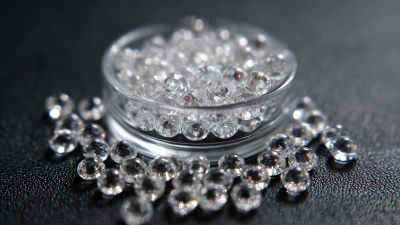
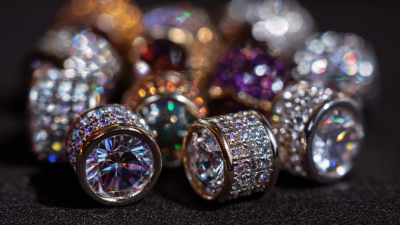
Fine polished zirconia beads have become a popular choice in jewelry making and design. Their unique properties make them particularly appealing to designers and artisans. Zirconia beads are known for their durability and resistance to wear, which is essential in the jewelry industry where pieces undergo daily use. According to a recent report, the global market for zirconia in jewelry is expected to grow by 5% annually, showcasing a rising interest in these materials.
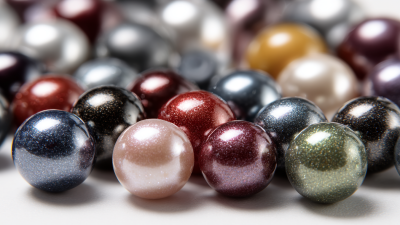
Artisans appreciate the aesthetic qualities of zirconia beads. They mimic the appearance of precious stones, offering an affordable alternative without sacrificing beauty. The beads come in various colors and finishes, allowing for creative freedom in design. Studies suggest that consumer preference increasingly leans toward customizable options. This trend encourages designers to explore zirconia beads in innovative ways, sometimes combining them with other materials for a unique effect.
Even with their many advantages, reliance on zirconia beads presents some challenges. Quality can vary greatly between suppliers. Inconsistent finishes can lead to customer dissatisfaction. Jewelry makers must conduct thorough evaluations of their sources to ensure they meet quality standards. This diligence is crucial in maintaining credibility in a competitive market. Balancing cost and quality is an ongoing concern for many artisans in the industry.
Utilization in Dental and Medical Fields
Fine polished zirconia beads play a crucial role in the dental and medical fields. These beads are known for their durability and biocompatibility. In dentistry, they are often utilized in dental restorations. Studies indicate that zirconia has a fracture toughness significantly higher than other materials, which enhances their longevity. Research from the Journal of Prosthetic Dentistry shows a survival rate of about 95% for zirconia ceramic implants after five years. This robustness is essential in a field where precision and reliability are paramount.
In the medical field, zirconia beads are used in various applications. They serve as abrasive tools for surgical instruments, promoting smoother finishes and better performance. The FDA recognizes the safety of zirconia in biomedical applications, emphasizing its non-reactive nature. Zirconia’s excellent wear resistance ensures that medical devices maintain their efficacy over time. However, there are challenges. Some studies highlight that improper handling during manufacturing could lead to micro-cracks, compromising the expected performance.
Moreover, the high cost of zirconia can limit its use, especially in cost-sensitive environments. Many professionals in the industry are exploring more cost-effective alternatives. Nonetheless, the benefits of polished zirconia beads cannot be overlooked. Their impact on patient outcomes remains significant, influencing ongoing research and development efforts in these fields.
Role in Abrasives and Surface Finishing
Fine polished zirconia beads play a crucial role in abrasives and surface finishing across various industries. These beads, known for their durability and high resistance to wear, are essential in achieving smooth surfaces. According to industry reports, zirconia beads can provide up to 30% faster milling and grinding when compared to traditional materials. Their precision and effectiveness make them a favorite among manufacturers seeking optimal efficiency.
In surface finishing, these beads help in enhancing aesthetic appeal and functionality. Products treated with zirconia beads exhibit improved surface hardness and corrosion resistance. Data shows that using zirconia beads in surface treatment can reduce defects by nearly 25%. However, achieving consistency in bead quality remains a challenge within the industry. Some beads may vary in size and polish, impacting overall performance.
Companies pursuing sustainability should also consider the environmental impact. High-quality zirconia beads tend to last longer, minimizing waste. However, the cost of production can be high, leading to hesitations among smaller manufacturers. As industries strive for the ideal balance between performance and cost-effectiveness, the adoption of zirconia beads remains a key area for exploration and improvement.
Top 10 Uses for Fine Polished Zirconia Beads in Industry
Incorporation in Electronics and Insulation Products
Fine polished zirconia beads are gaining traction in the
electronics and insulation sectors. Their unique properties
make them ideal for various applications. In electronics, zirconia beads serve as insulators.
They provide high resistance to heat and electricity. This quality is crucial
for circuit boards and other components, preventing overheating.
When used in insulation products, zirconia beads enhance performance. They offer an excellent balance
between thermal stability and mechanical strength. This can lead to more efficient
energy consumption in devices. Manufacturers are increasingly adopting these beads for their durability.
They withstand harsh environments better than many traditional materials.
Tips: Choose beads that match your application needs.
Consider factors like size, durability, and electrical properties. Testing different types can yield
the best results. It's also essential to stay updated on trends. Innovations in materials can lead
to improved performance in your products. Incorporating zirconia beads may require adjustments in your
processes, so be open to experimenting.
Use in Art and Craft Projects for Unique Aesthetics
Using fine polished zirconia beads in art and craft projects can transform ordinary creations into extraordinary masterpieces. These beads are known for their bright colors and unique finishes. This aesthetic quality is highly sought after in various art applications. Reports from the Global Crafting Market have shown a steady increase in demand for high-quality materials, indicating a growing trend toward using premium components like zirconia beads.
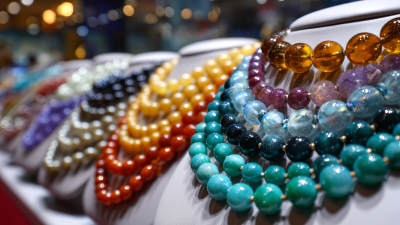
These beads can enhance jewelry designs through their brilliant shine and intricate patterns. Artists often mix them with other materials to create eye-catching pieces. They can be used in mosaic designs, adding texture and color. The versatility of these beads allows artists to explore different styles, making each piece one of a kind. However, while they offer stunning aesthetics, they can be pricier than alternatives, leading to questions about affordability in crafting.
**Tip:** When incorporating zirconia beads into your projects, consider contrast. Combining them with natural elements, like wood or stone, can create a beautiful balance.
Crafting with zirconia beads requires a delicate touch. Their smooth surface can make them slippery when stringing. Take your time, and use a steady hand to achieve the desired look.
**Tip:** Test different stringing materials to find what works best for your design. Be open to experimenting!