
News
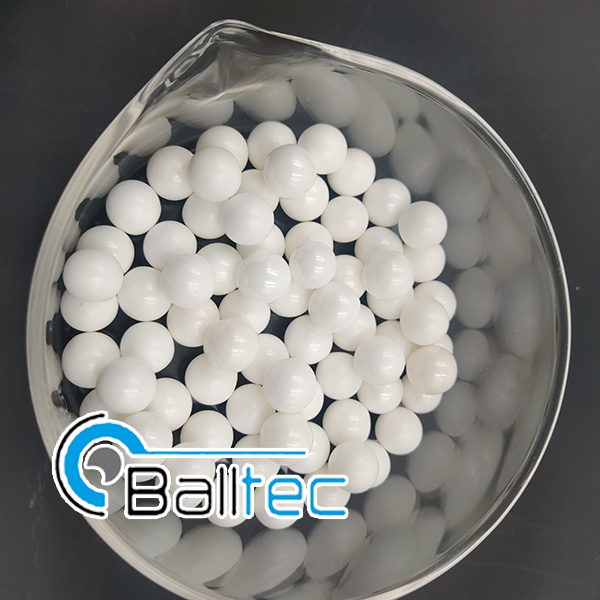
How Zirconia Grinding Bead Mass Ratio and Ball-to-Powder Ratio Affect Grinding
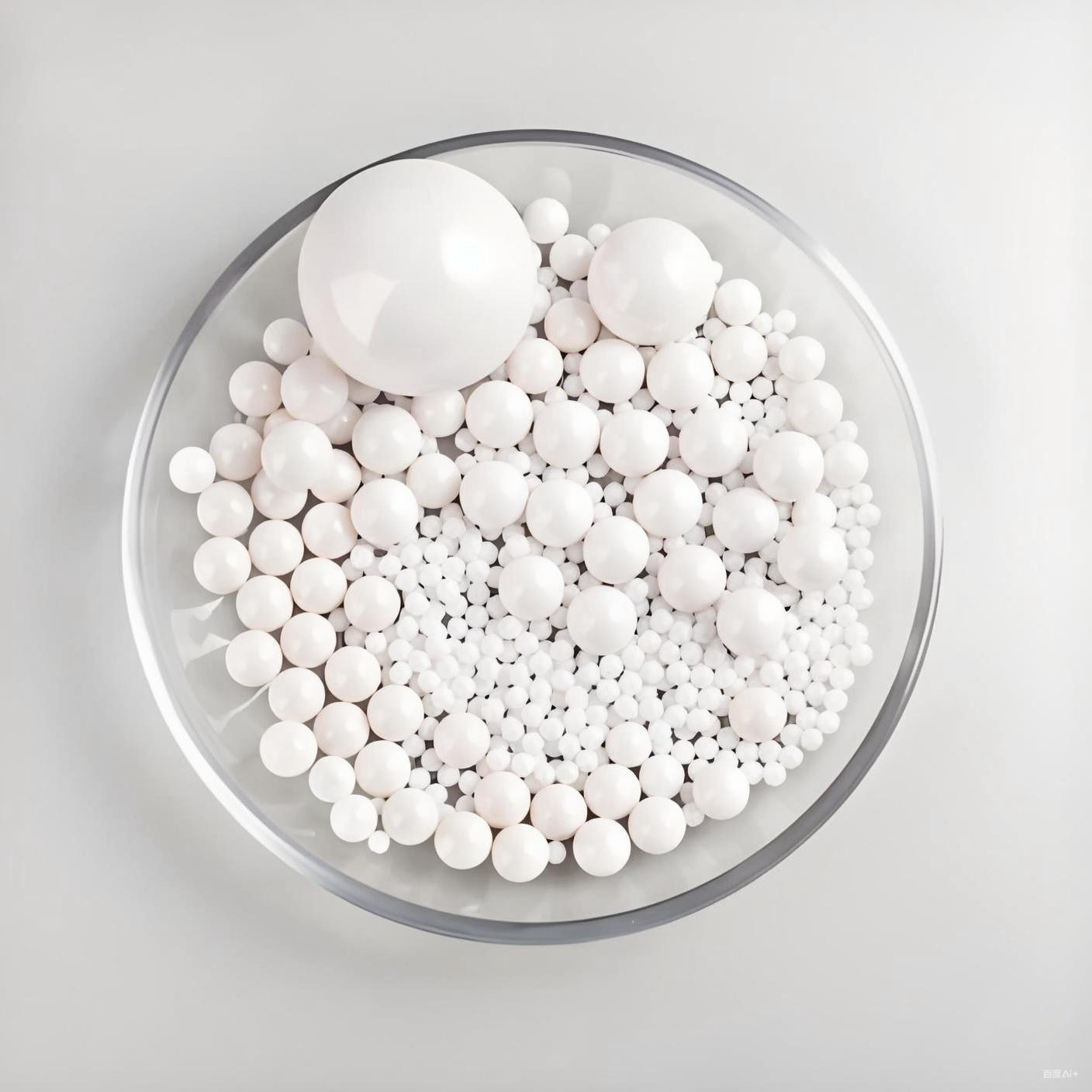
The planetary high-energy ball mill is used for preparing ultrafine powders. Its working principle is that during operation, the grinding jars drive the grinding balls to generate a resultant force through revolution and rotation, which impacts and pulverizes the materials. Factors affecting the grinding effect include grinding time, rotational speed, and solid content of the materials being ground. Among these, the ball-to-powder mass ratio and the mass ratio of grinding balls with different sizes are crucial control parameters.
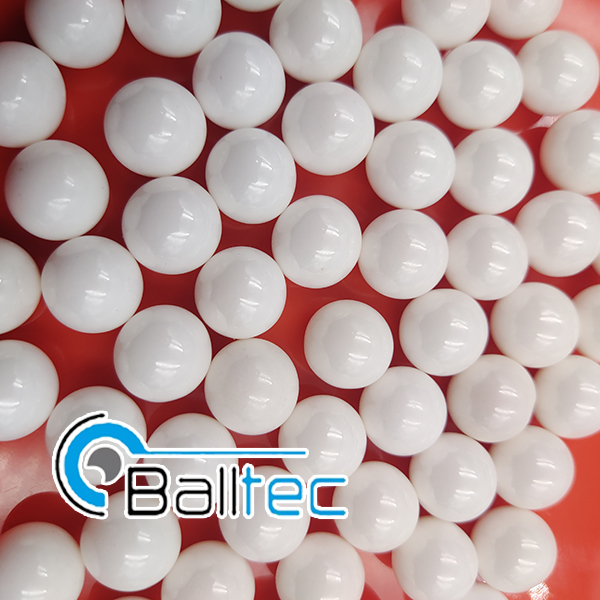
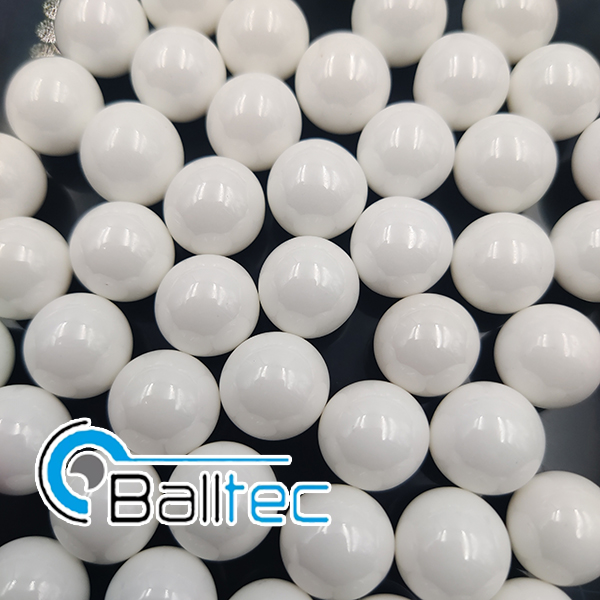
What are the main properties of zirconia ceramic balls?
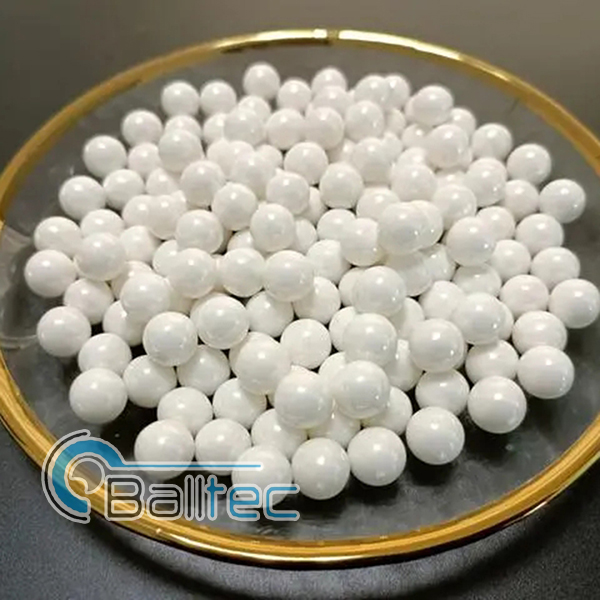
Zirconia ceramic balls are inorganic non-metallic materials produced using zirconia powder and several other additives as raw materials through powder preparation, batching and forming processes. As functional ceramics, zirconia ceramic balls have a wide range of applications, such as thermal barrier coatings, catalyst carriers, medical care, health care, refractory materials and textile industries. Zirconia ceramic balls exhibit excellent properties in three aspects: mechanics, physics and chemistry.
The impact of excessive filling rate in the sand mill on the grinding efficiency
Sand mill filling volume = bulk density × mill volume × filling rate. The filling rate of vertical sand mills ranges from 40% to 60%, while the optimal filling rate of horizontal sand mills is 80% to 85%.
Attention should be paid to solid content and temperature. Excessively high filling volume will cause the material temperature to rise sharply. Sand mills with an all-polyurethane structure require the lowest filling rate, as the operating temperature of polyurethane should normally not exceed 60°C. The highest filling rate applies to sand mills with a silicon carbide inner cylinder, becaus
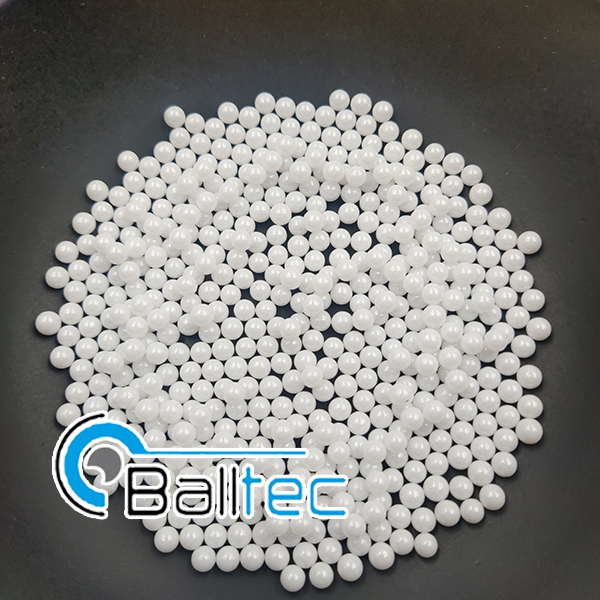
The influence of zirconium oxide beads in the grinding process of ink sanding machines
The operation of an ink sand mill relies on its feed pump to transfer materials into the cylinder. Prior to entering the cylinder, the materials—primarily a mixture of solid and liquid components—must undergo pre-dispersion and wetting treatment in the mixer.
Once the materials enter the cylinder, they are agitated by the disperser together with the grinding media inside, resulting in high-speed rotational movement. This induces intense collisions, friction, and shearing effects between the solid particles in the materials and the grinding media. Consequently, the materials are ground more efficiently, achieving fine particle size and dispersion of aggregates.
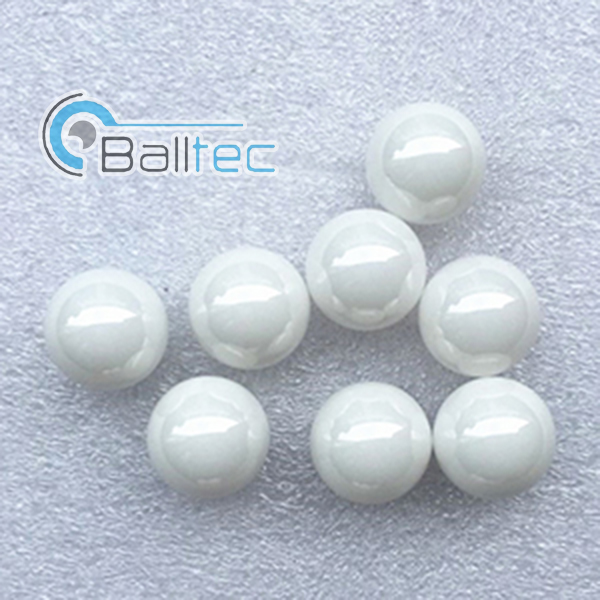
Oxide zirconia beads for grinding
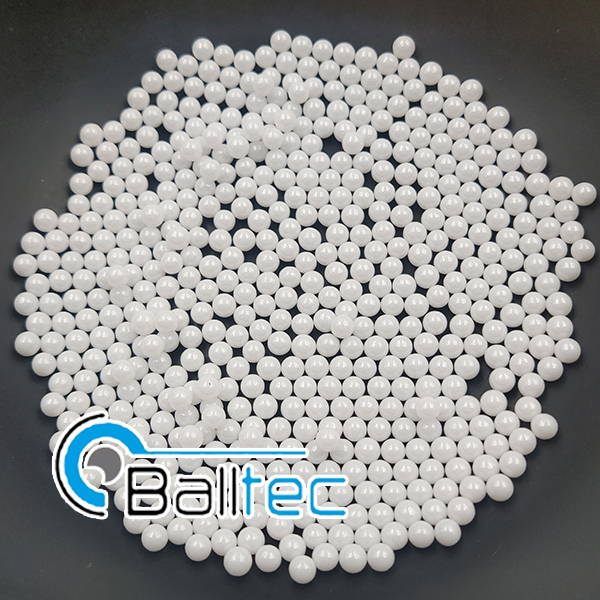
Zirconia beads for grinding are high-strength, inert, hard, perfectly spherical fine particles. Applied in the grinding of coatings, pigments and inks, they can reduce costs, increase solid content, enhance product performance and improve process operating conditions. They also lower viscosity and boost fluidity.
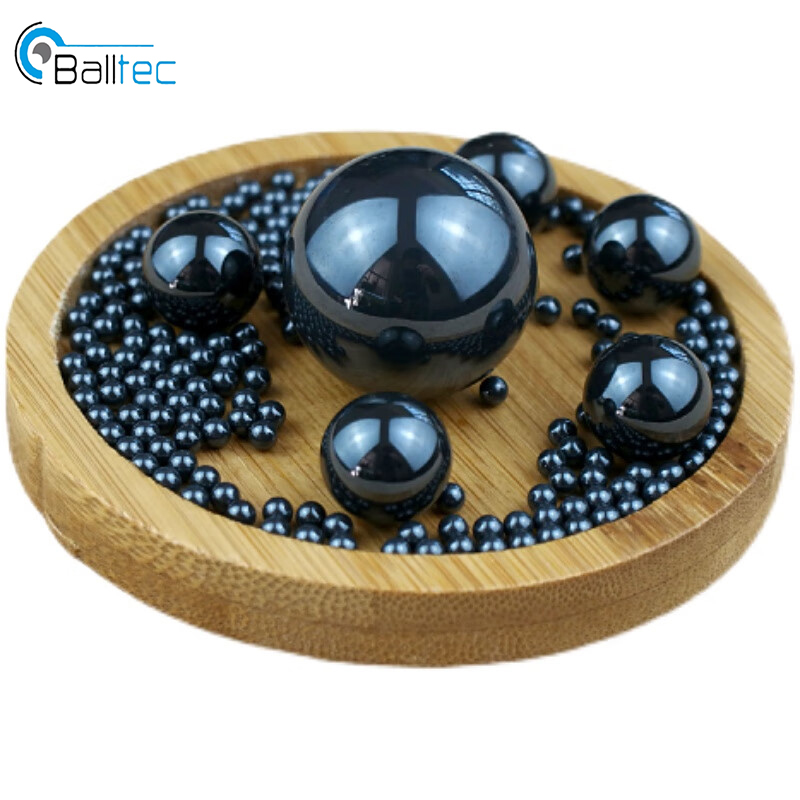
The influence of sintering temperature on the density of silicon nitride ceramic balls
Silicon nitride is a strong covalent bond compound. The self-diffusion coefficients of nitrogen and silicon atoms are low, resulting in low rates of volume diffusion and grain boundary diffusion required for densification, as well as insufficient sintering driving force, which leads to poor sinterability. Various defects are prone to form during the preparation process, thereby reducing material properties and limiting the application of Si₃N₄ ceramic ball bearings.