
News
What is a hollow glass molecular sieve?
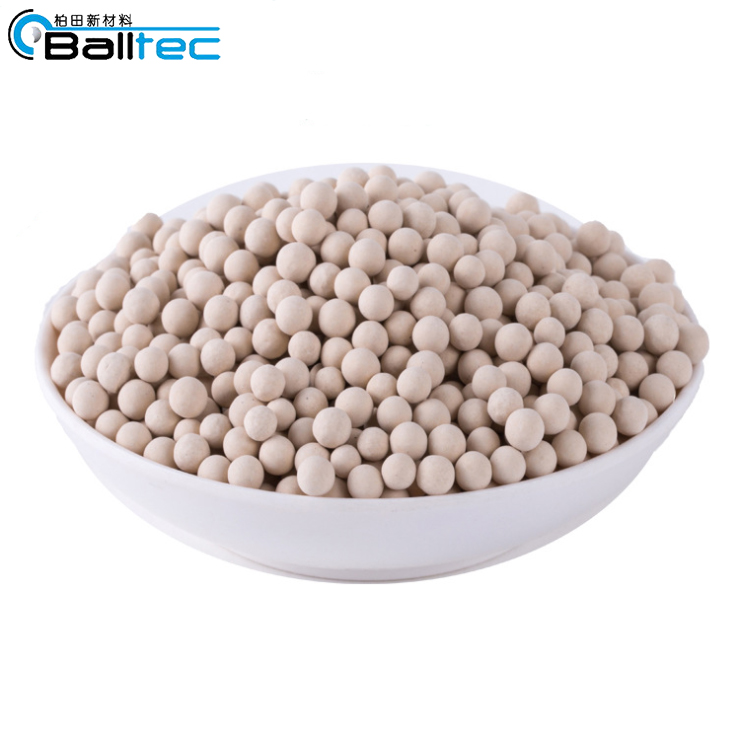
The most ideal desiccant for insulating glass is 3A molecular sieve. When 3A molecular sieve comes into contact with air, it only absorbs gaseous water molecules and some organic substances in the air, and does not absorb other components of the air.
Differences Between 4A Molecular Sieve and Silica Gel Desiccant
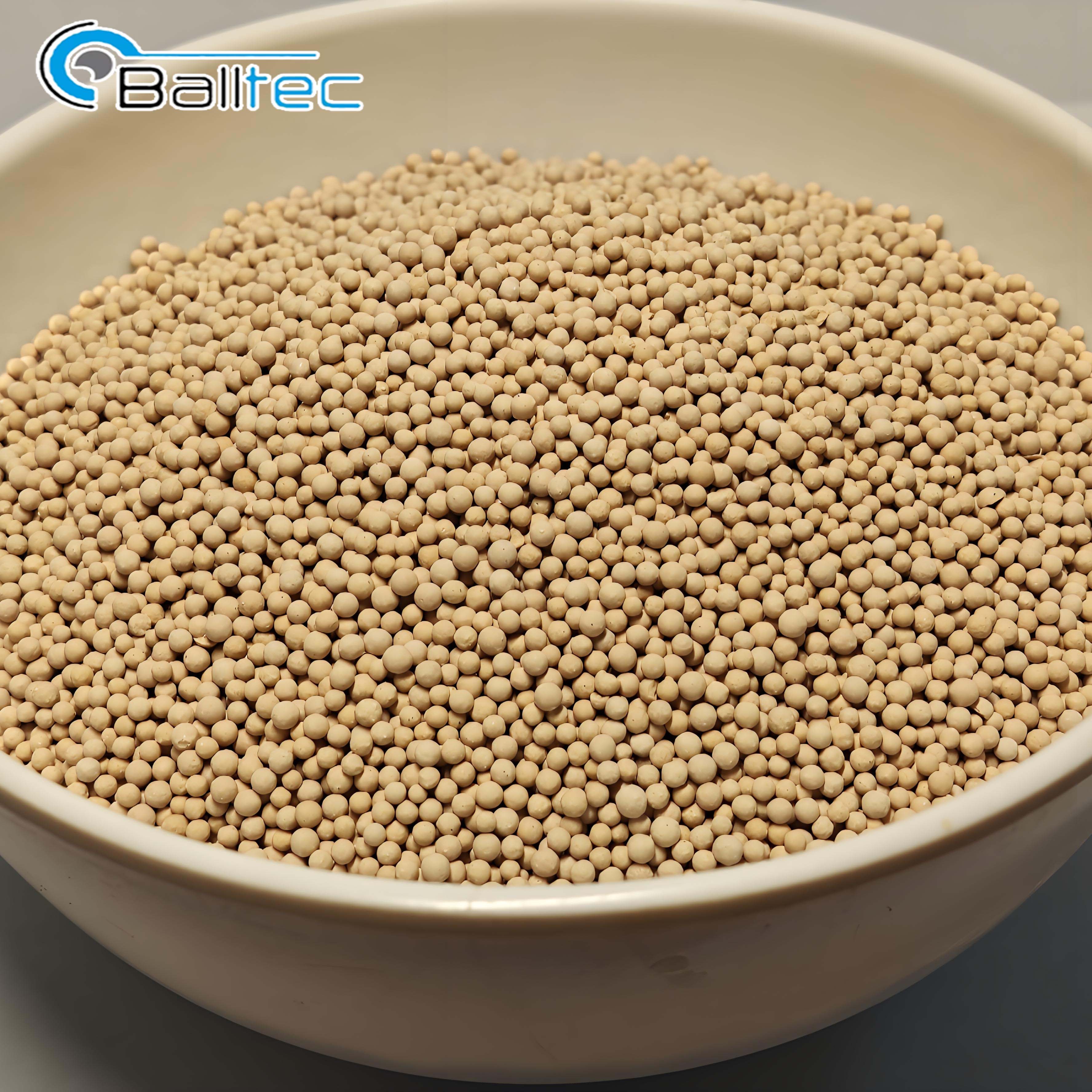
Both 4A molecular sieve and silica gel are desiccants, so which one has a better drying effect, and what are the differences between the two products?
The uses and functions of 4A molecular sieve
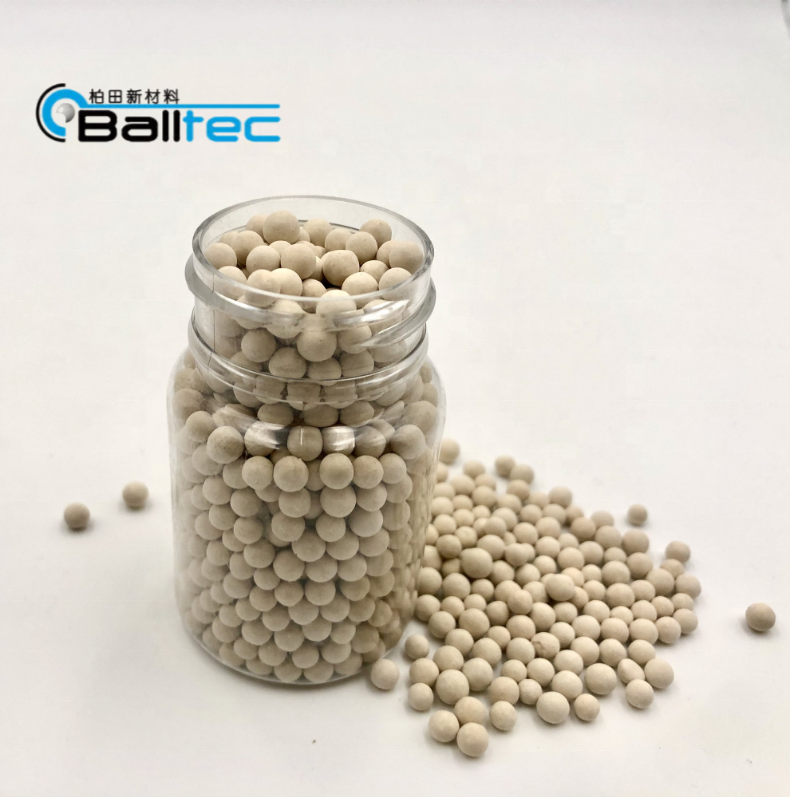
Granular 4A molecular sieve is a commonly used chemical product in chemical production, typically serving as an adsorbent and catalyst.
The synthesis technology of 4A molecular sieve has evolved from the original process using alumina, silica and alkali as raw materials to the current multi-material synthesis technology with clay and other minerals as raw materials. After the successful development of high-performance granular binder-free 4A molecular sieve, it has become a powerful assistant for many industrial producers.
In the industrial development of recent years, the classification of molecular sieves has been gradually expanding.
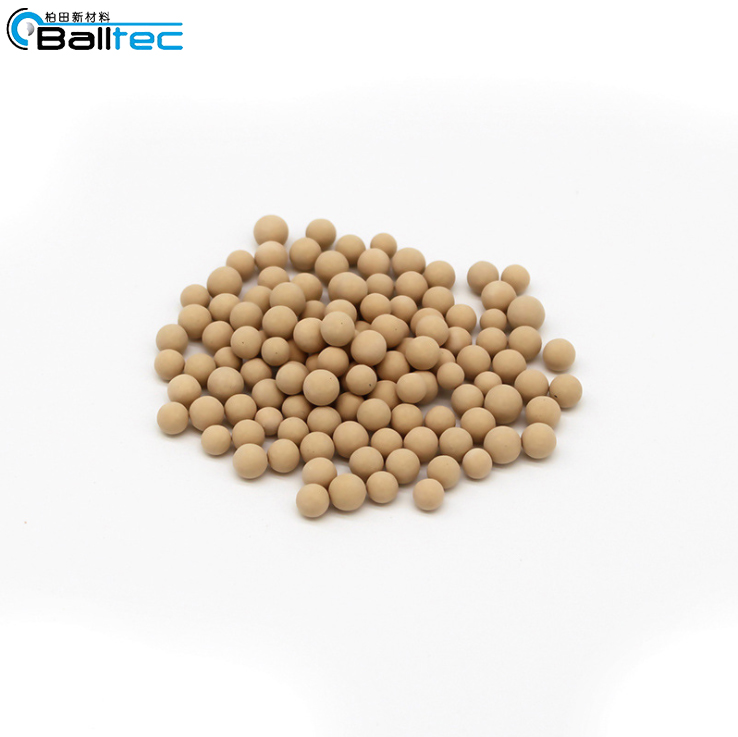
What are the differences among 3A, 4A and 5A molecular sieves?
1.Pore Size Differences of 3A, 4A and 5A Molecular Sieves
The working principle of molecular sieves is mainly related to their pore sizes, which are 0.3 nm, 0.4 nm and 0.5 nm for 3A, 4A and 5A respectively. They can adsorb gas molecules with a molecular diameter smaller than the pore size, and the larger the pore size, the higher the adsorption capacity. Molecular sieves perform selective adsorption based on the different sizes and shapes of molecules, i.e., they only adsorb molecules smaller than their pore sizes. They exhibit selective adsorption properties for small, highly polar and highly unsaturated molecules; the higher the polarity and unsaturation, the stronger the selective adsorption.
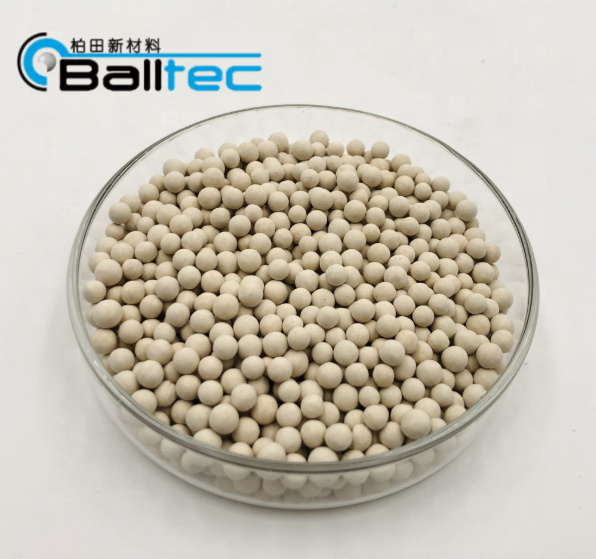
Adsorption Principle of Molecular Sieves
Molecular sieves are porous aluminosilicate crystals, also known as zeolites, which exist in both natural and synthetic forms. They are hydrated aluminosilicates with numerous uniform pores; these evenly sized channels, on the molecular scale, are interconnected, and their cavities are usually occupied by adsorbed water and crystal water. Macromolecules are excluded from the cavities, hence the name "molecular sieve".
They exhibit strong adsorptive capacity for polar and polarizable molecules. Water, as a highly polar molecule with a diameter smaller than the pore size of molecular sieves, is extremely easily adsorbed by them—making molecular sieves excellent adsorbents.
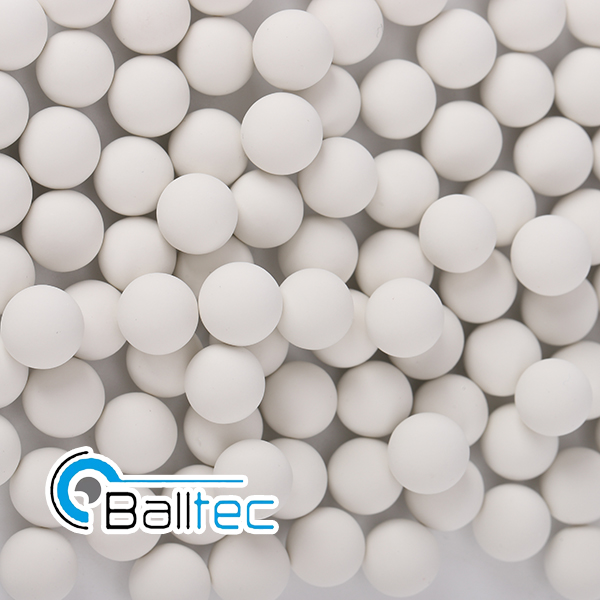
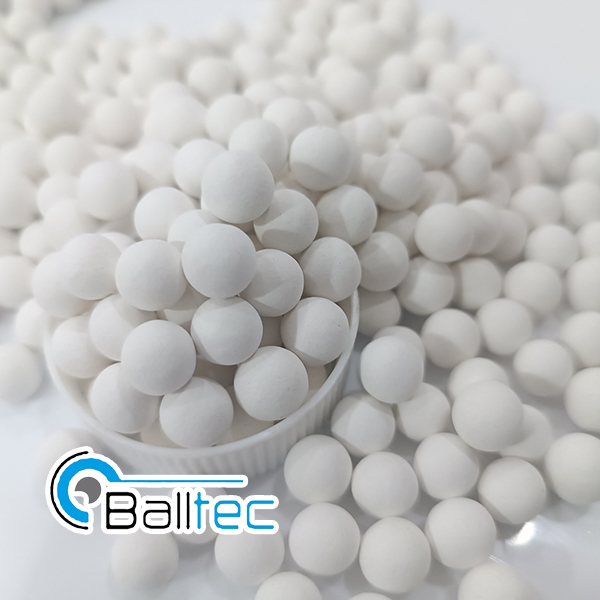
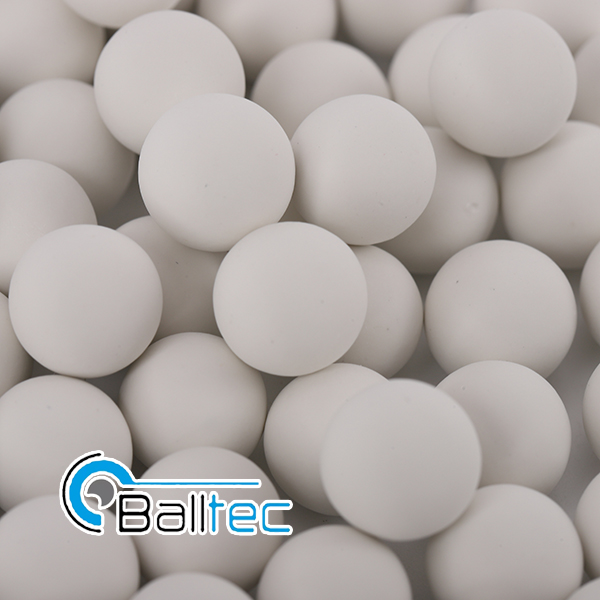
What Are Alumina Balls and Activated Alumina Balls?
What are alumina balls and activated alumina balls, and what are their similarities and differences? The difference between the two lies in the type of alumina powder used. Calcined α-alumina powder, referred to as calcined alumina powder for short, has a density of 3.9-4.0 g/cm³, a melting point of 2050℃, a boiling point of 2980℃, and is insoluble in water. Industrial alumina mainly includes two types (Note: The original text is redundant; it is corrected to "two types" for clarity). Industrially, it can be extracted from bauxite.