
News
Chemical Properties of Zirconia Beads: A Comprehensive Overview
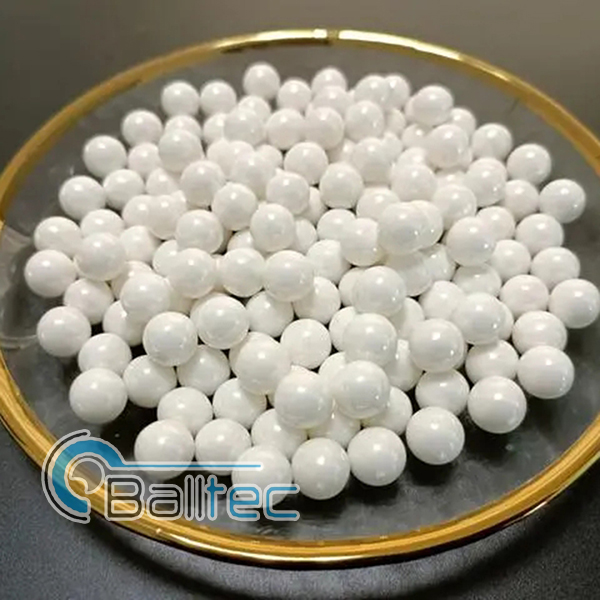
Zirconia beads, primarily composed of zirconium dioxide (ZrO₂), are widely used in various industrial applications due to their unique chemical properties. This article delves into the fundamental chemical characteristics of zirconia beads, exploring their reactivity, stability, and interaction with different substances.
Types of Zirconia Beads for Sand Mills
In the field of wet grinding and dispersion, sand mills play a pivotal role, and zirconia beads are among the most commonly used grinding media. Their high hardness, excellent wear resistance, and chemical stability make them suitable for a wide range of applications, especially in industries where fine and ultra - fine grinding is required. There are several types of zirconia beads available for sand mills, each with its own unique characteristics.
Application of Zirconia Beads in Tissue Grinding
Zirconia beads, particularly those composed of 95% zirconium dioxide (ZrO₂) with yttria stabilization, have emerged as a critical tool in tissue grinding applications. Their unique combination of mechanical properties, chemical inertness, and biocompatibility makes them indispensable in laboratories and biotechnological processes requiring efficient and contamination-free tissue disruption. This article explores their characteristics, working mechanisms, and specific applications in tissue grinding.
The Advantages of Zro2 Balls: Revolutionizing Grinding and Milling Applications
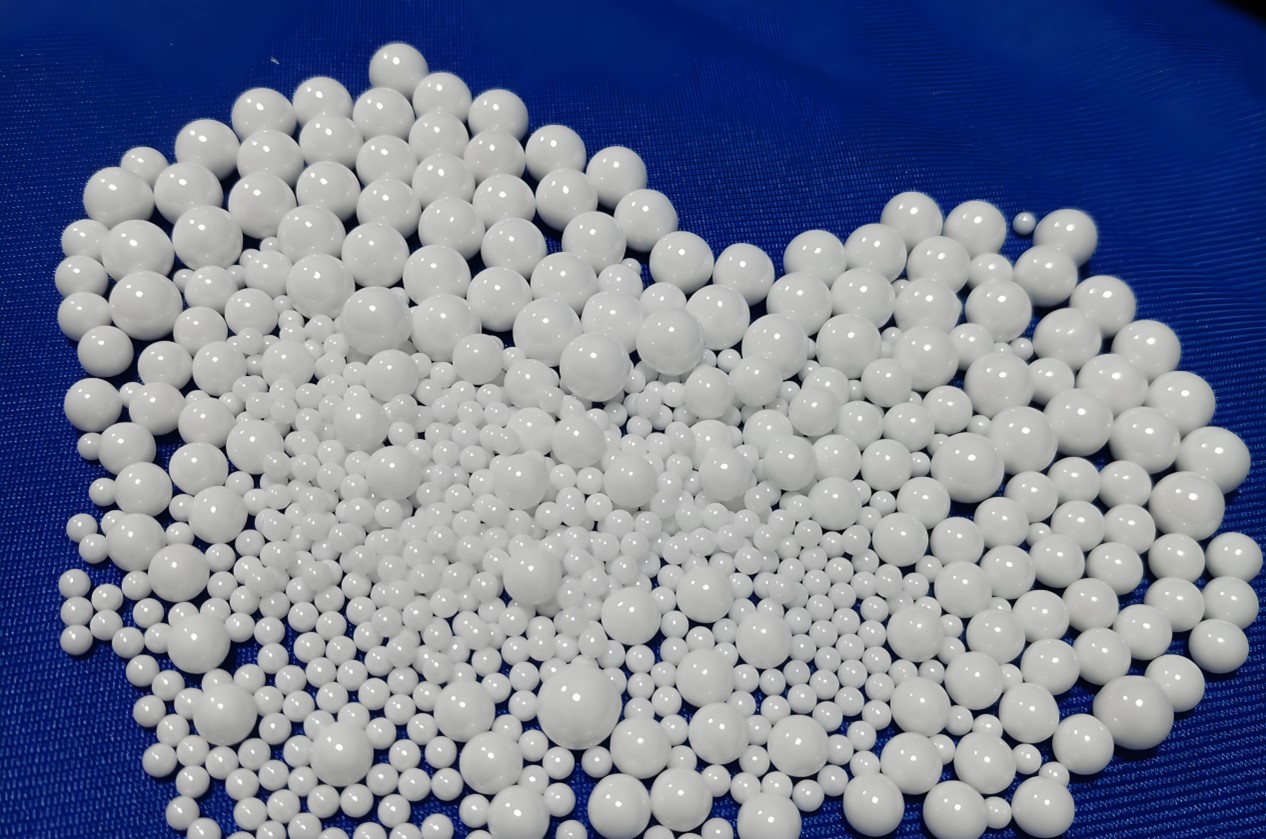
In the realm of industrial grinding and milling, zro2 balls have emerged as a game - changing component, offering a plethora of advantages that set them apart from traditional grinding media. These beads, composed primarily of zirconium dioxide (ZrO2), have found widespread use across various industries, from ceramics and electronics to pharmaceuticals and paints.
How High Temperatures Can Zirconia Beads Withstand?
Factors Affecting the High-Temperature Performance of Zirconia Beads
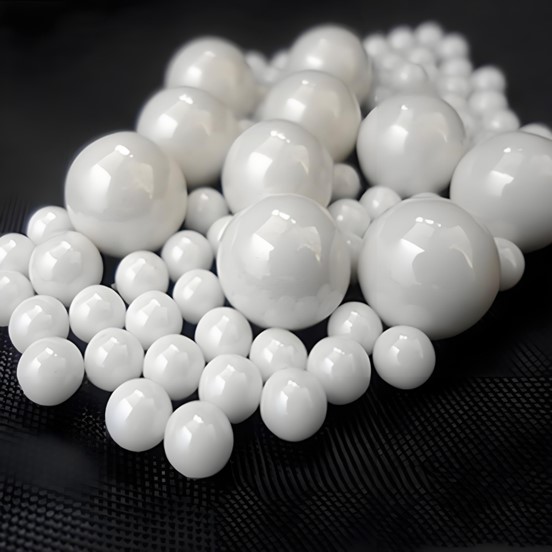
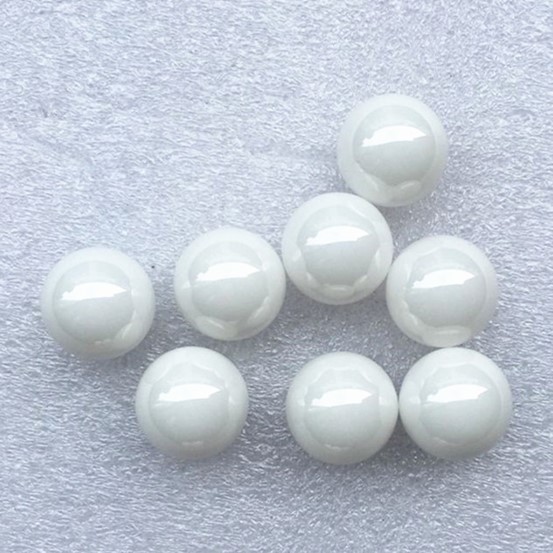
Zirconia beads, renowned for their outstanding mechanical and chemical properties, have become indispensable in various high - temperature industrial applications, including thermal barrier coatings, high - temperature refractories, and ceramic processing. However, their high - temperature performance is not absolute but is intricately influenced by multiple factors. Understanding these determinants is crucial for optimizing the use of zirconia beads and ensuring the reliability of high - temperature processes.