Top 10 Benefits of Ceria Stabilized Zirconia Balls for Industry?
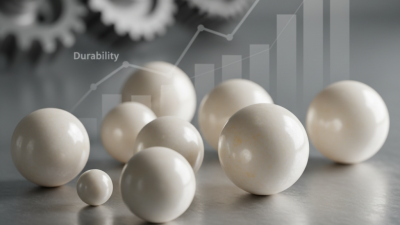
Ceria Stabilized Zirconia Balls have transformed industrial applications with their unique properties. These advanced materials are known for their high strength and wear resistance. According to a recent report by the Global Superabrasives Market, the use of these balls is projected to increase by 25% in the next five years across various sectors.
Dr. Sarah Liu, a leading expert in material sciences, emphasizes their importance. "Ceria Stabilized Zirconia Balls offer unmatched durability, enhancing efficiency and reducing cost in manufacturing." This highlights their crucial role in industries such as ceramics, electronics, and automotive manufacturing.
While the benefits are significant, the cost of initial investment remains a critical consideration for many companies. The shift towards using Ceria Stabilized Zirconia Balls is not without challenges. Companies must weigh these costs against the long-term benefits of improved performance and reduced equipment failure. Understanding these dynamics is essential for making informed decisions in adopting these materials.
Benefits of Ceria Stabilized Zirconia Balls: An Overview
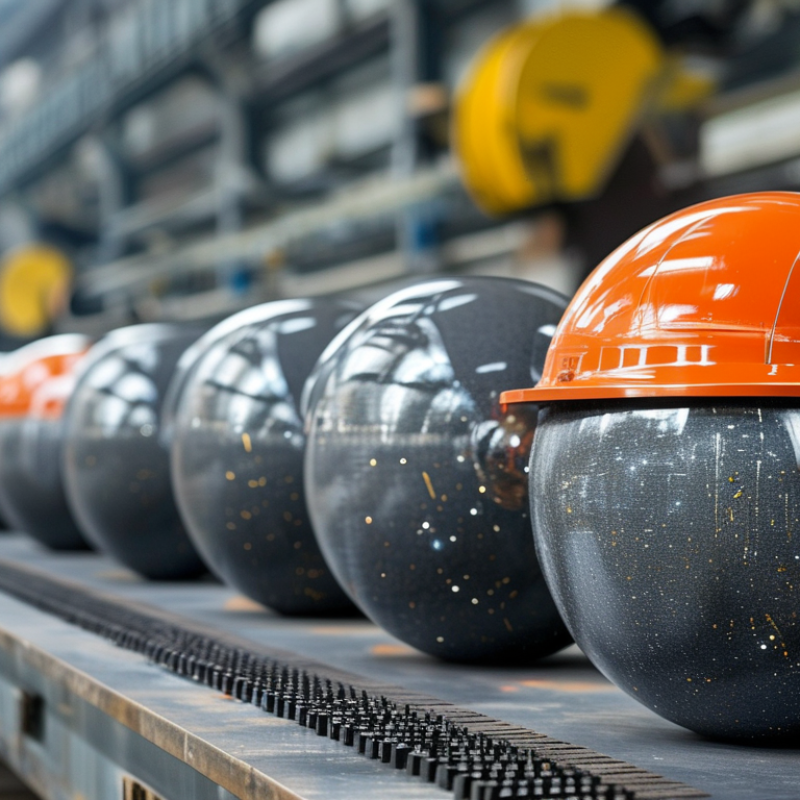
Ceria stabilized zirconia balls have gained significant traction in various industries due to their unique properties. These ceramics are known for their exceptional toughness and thermal stability. They can tolerate high temperatures without losing their shape. This makes them ideal for applications in demanding environments, such as in the aerospace and automotive sectors.
One of their main benefits is wear resistance. They can reduce friction in machinery, which enhances durability. This leads to lower maintenance costs. Additionally, their chemical inertness allows them to operate in harsh chemical environments. This feature is crucial for industries dealing with aggressive substances. However, their cost can be a consideration for smaller enterprises.
Moreover, ceria stabilized zirconia balls have a high specific gravity. This characteristic can contribute to improved efficiency in grinding and milling processes. Yet, it is essential to recognize that not all applications require high density. The selection process should reflect the specific needs of each project. Ultimately, utilizing these balls can yield substantial benefits, while careful evaluation is necessary to maximize their potential.
Enhanced Durability and Wear Resistance in Industrial Applications
Ceria stabilized zirconia balls have gained recognition in various industries due to their enhanced durability and wear resistance. These balls are known for their remarkable hardness and toughness, making them ideal for demanding applications. The wear resistance of ceria stabilized zirconia can be attributed to its unique microstructure, which reduces brittleness compared to traditional materials. Recent studies indicate that these balls can withstand loads up to 3,000 MPa, further enhancing their utility in industrial environments.
For manufacturing processes, this means lower maintenance costs and increased operational efficiency. A report from the American Society for Testing and Materials highlights that equipment downtime can be reduced by up to 30% when utilizing these advanced materials. Industries like ceramics, automotive, and pharmaceuticals benefit tremendously from this innovation.
Tip: When selecting zirconia balls, ensure proper dimension specifications for your application to avoid potential misalignment issues.
Ceria stabilized zirconia not only offers improved wear characteristics but also contributes to sustainability. The longer lifespan of these materials means less frequent replacements, reducing waste. However, not all manufacturing processes are compatible. It’s essential to evaluate the specific conditions of your application before transitioning to this material.
Tip: Always conduct a trial run to observe performance metrics in real-time conditions.
Improved Chemical Stability in Harsh Environments
Ceria stabilized zirconia balls are becoming increasingly important in various industries. Their ability to maintain chemical stability in harsh environments is a significant advantage. This enhanced stability reduces the risk of material degradation during extreme conditions. These balls are highly resistant to acids, bases, and other reactive substances, making them ideal for demanding applications.
In environments where traditional materials fail, ceria stabilized zirconia shows resilience. For example, in high-temperature furnaces or reactors, these balls withstand thermal shock. They perform well under pressure and in corrosive atmospheres. However, it is essential to recognize that not all applications may suit these materials perfectly. Failure to consider specific operational conditions can lead to unexpected challenges.
Additionally, while these zirconia balls offer great stability, their cost might be a consideration. Industries may need to weigh the benefits against expenses. Investing in high-quality components often leads to better long-term returns, but the short-term costs can be daunting. Still, observing how these materials perform can lead to insights about future innovations and applications.
Superior Thermal Stability for High-Temperature Operations
Ceria stabilized zirconia balls have become essential in high-temperature operations within various industries. Their superior thermal stability is a key advantage. Research indicates that these balls maintain structural integrity at temperatures exceeding 1000°C. This property is vital for applications in aerospace, automotive, and energy sectors where materials often face extreme heat.
One important factor is their low thermal conductivity. This feature minimizes heat loss, leading to more efficient processes. Industry data show that using ceria stabilized zirconia can improve energy efficiency by 15-20%. Maintaining temperature precision is critical for performance. These materials help achieve that in demanding environments.
Tip: Always consider the thermal cycling effects on ceramic materials. Their durability can sometimes be overstated. Be mindful of the environment in which they operate. Another consideration: analyze the impact of abrasive conditions. Not all zirconia balls are equal under tough circumstances. Evaluate the specific needs of your application to choose the right material.
Cost-Effectiveness and Long-Term Savings in Industrial Use
Ceria stabilized zirconia balls offer significant cost savings for various industrial applications. Their durability and resistance to wear reduce the need for frequent replacements. This longevity translates into lower operational costs over time. Industries see reduced downtime, enhancing productivity. Less frequent disruptions mean a smoother workflow.
Investing in ceria stabilized zirconia balls can lead to long-term financial benefits. The initial cost may seem higher, but the return on investment becomes clear. These balls perform exceptionally well in high-stress environments. Reduced maintenance needs contribute to lower labor costs. Companies often overlook long-term savings when making purchasing decisions.
However, it's essential to evaluate the specific needs of the industry. Not every application may benefit equally from these materials. Careful consideration of operational conditions is crucial. Making informed choices ensures that the investment in ceria stabilized zirconia balls aligns with the company’s goals.