
News
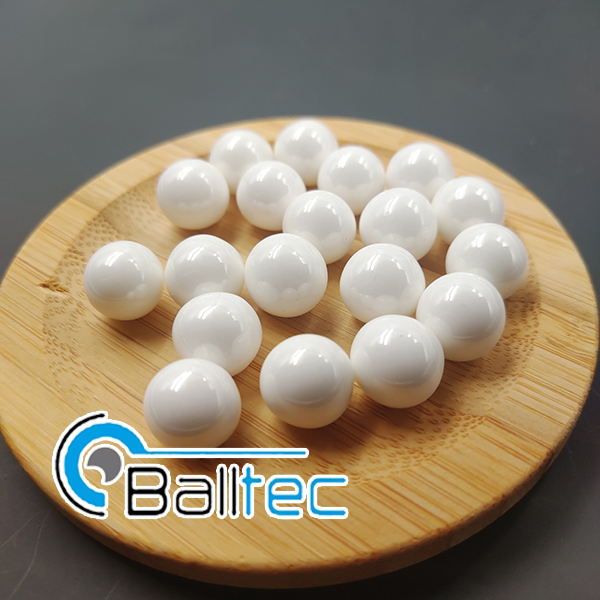
The characteristics of zirconia beads
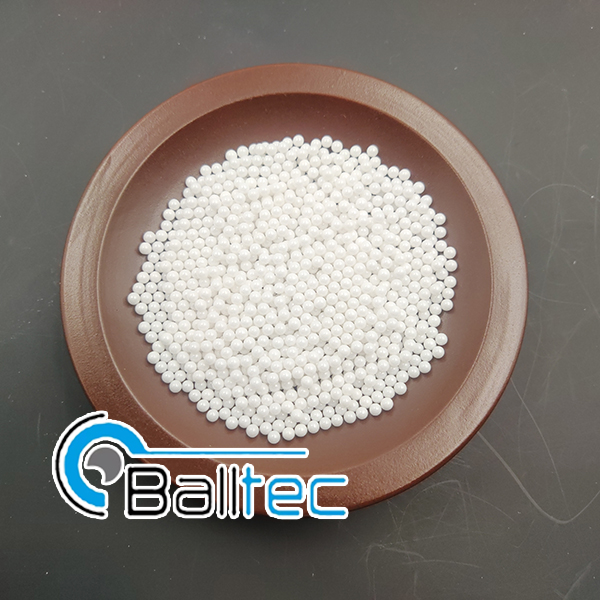
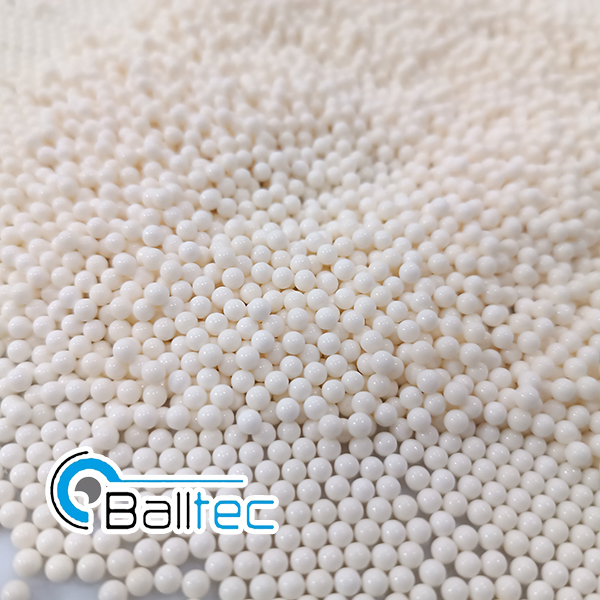
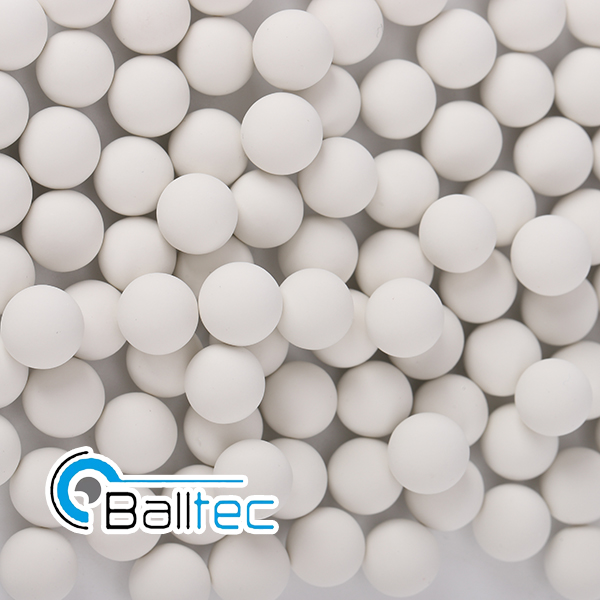
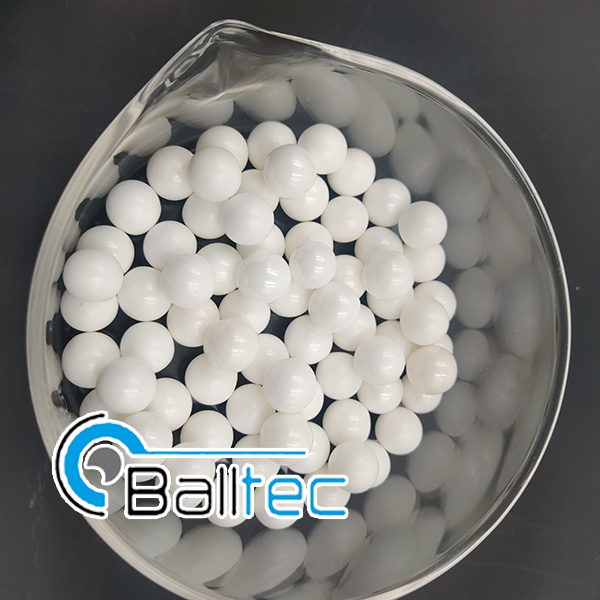
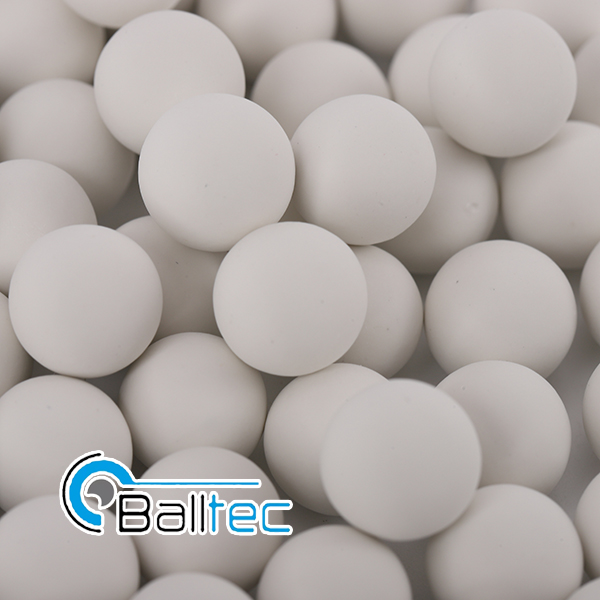
Zirconia beads for grinding are high-strength, inert, hard, perfectly spherical, and fine particles. Applied in the grinding of coatings, pigments, and inks, they can reduce costs, increase solid content, enhance performance, and improve process operating conditions.
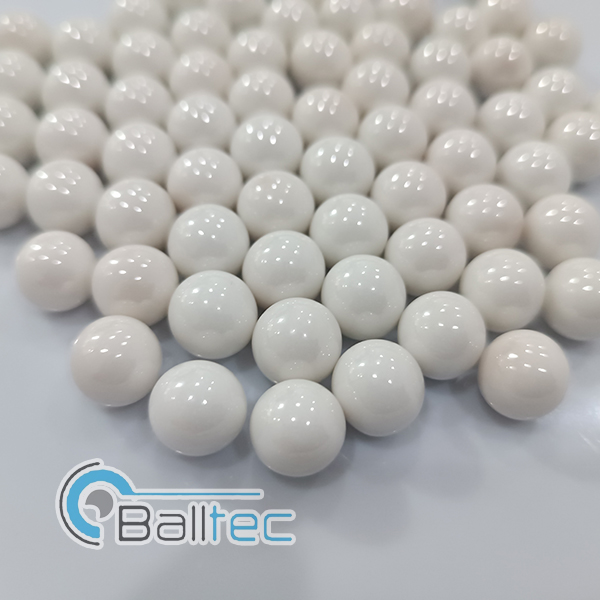
Which has higher efficiency, glass beads or zirconia beads for grinding?
Both glass beads and zirconia beads can be used for the dispersion and grinding of coatings, pesticides, paints, color pastes, inks, suspending agents, titanium dioxide, and other materials. While both serve as grinding media, their grinding efficiencies are significantly different.
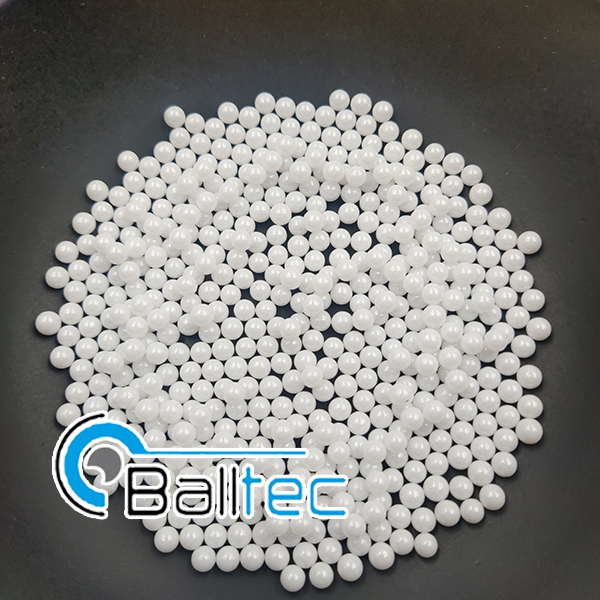
Zirconium bead production process
Production Processes of Zirconia Balls There are three main production processes for zirconia balls: compression molding, rolling granulation, and droplet forming. Spherical shape is the primary form of grinding media currently in application. Typically, high-quality microcrystalline zirconia grinding media are manufactured using yttria-stabilized zirconia (Y-TZP) ultra-fine powder as raw material. After molding, the material undergoes high-temperature sintering (1400–1600°C) for densification, followed by polishing via self-grinding or the addition of ultra-fine abrasive powder.
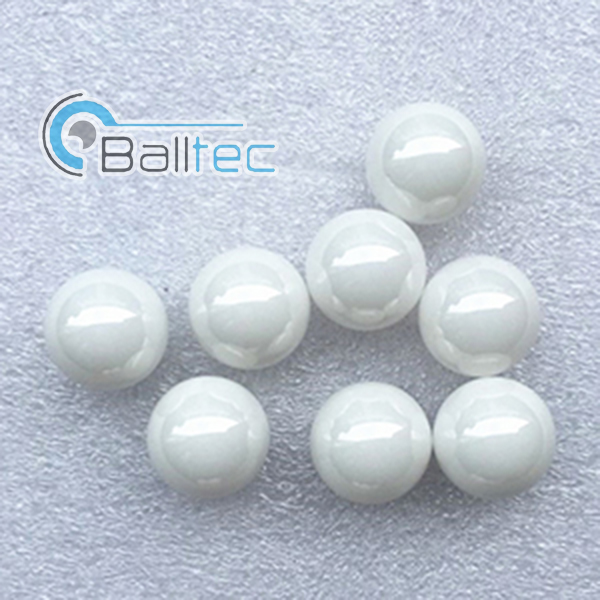
How to select the size of zirconium beads for planetary ball milling to grind materials?
Planetary ball mills are suitable for grinding (dry or wet) and mixing soft, hard, brittle, and fibrous samples. The grinding results are reproducible, meeting applications with extremely high fineness requirements.
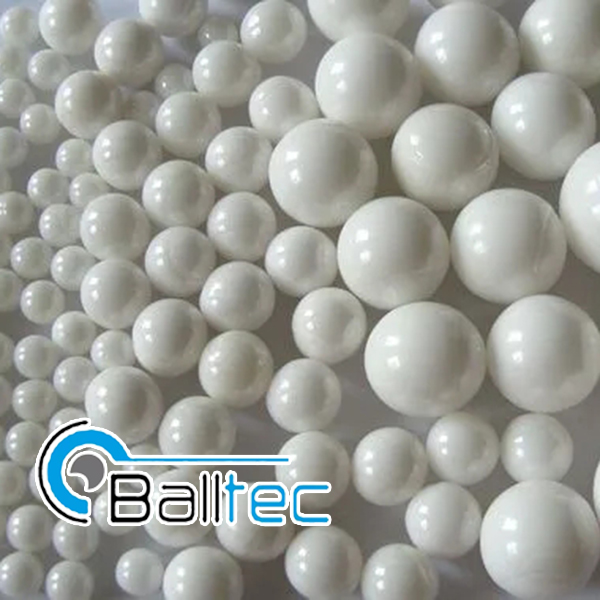
Do the zirconia beads need to be cleaned before use?
After a series of production processes, zirconia beads undergo high-temperature sintering, followed by polishing, sieving, and final packaging for storage. During the packaging process, the beads may come into contact with dust, so it is necessary to determine whether cleaning is required based on the application environment.
Selection and Cleaning of Zirconia Beads for Cell and Tissue Homogenization
For bacteria, use zirconia beads with a diameter of 0.1mm; for yeasts or fungi, select 0.5mm-diameter zirconia beads; for most tissues, 1.0mm-diameter zirconia beads are suitable; for skin or "soft" plant materials, 2.0mm zirconia beads are recommended. In practical applications, beads with a diameter close to the sample particle size and higher density are preferred. For example, 0.1mm zirconia beads are often used for breaking spores; 2.5mm zirconia beads can be selected for disrupting plant fiber tissues. For the homogenization of animal and plant tissues, angular particles are more time-efficient than smooth beads.