
Precision Ground Ceramic Bearing Ball for Robotics Joints
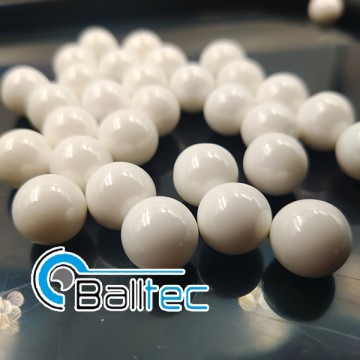
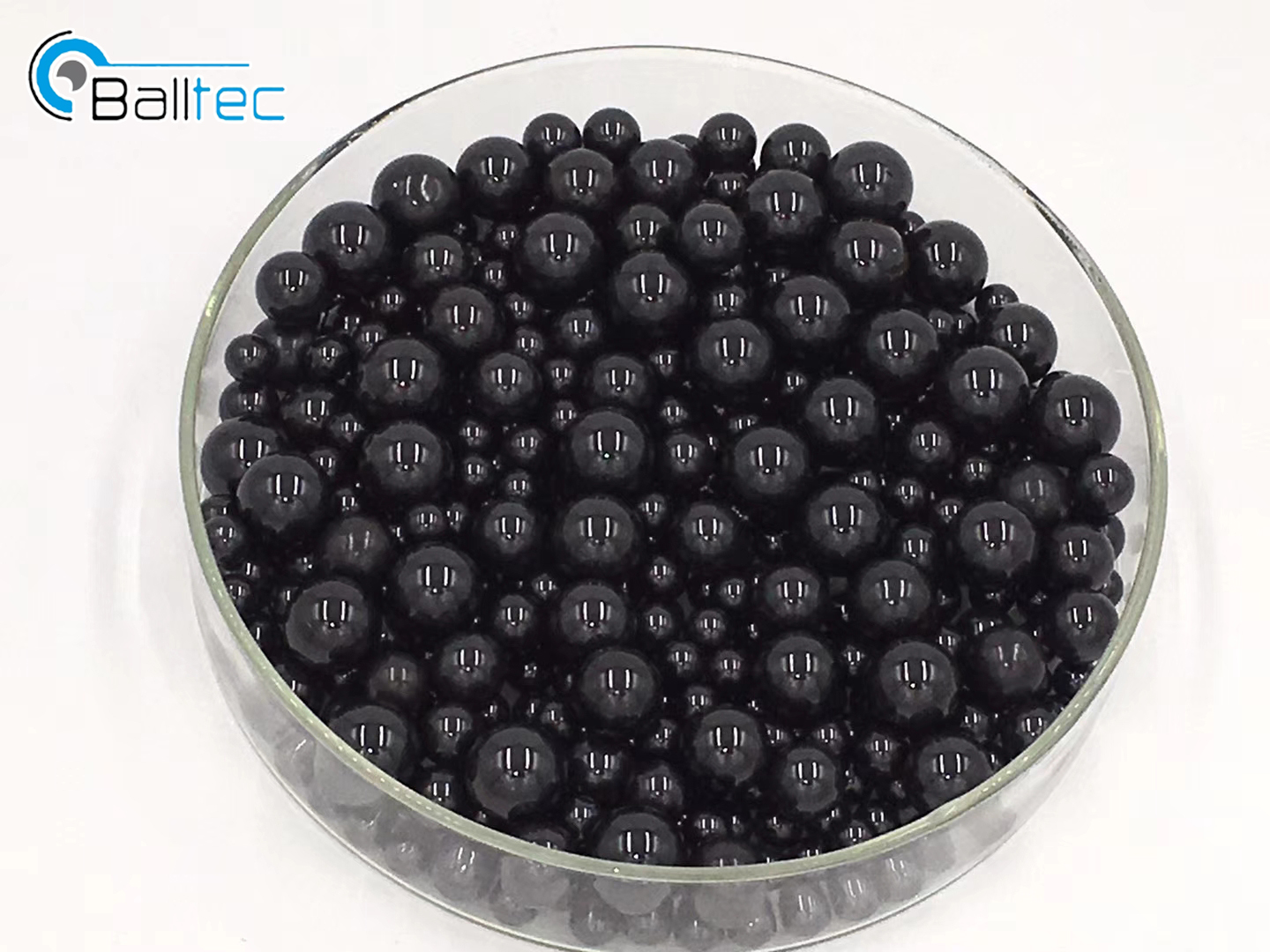
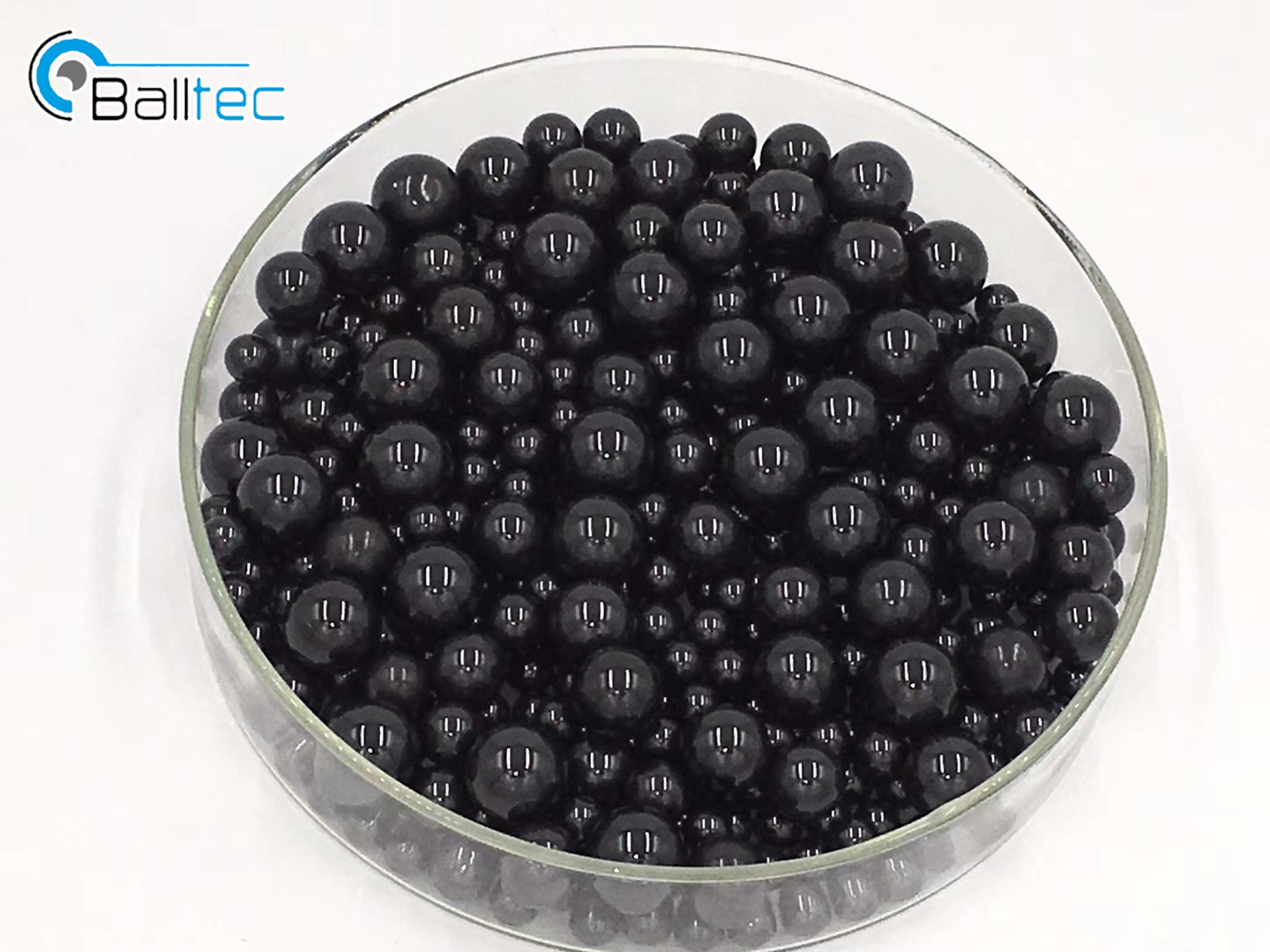
Silicon nitride ceramic balls exhibit high temperature resistance, corrosion resistance, wear resistance, and unique electrical properties. Currently, silicon nitride ceramics are regarded as one of the most promising high-temperature structural ceramic materials. As a precision ceramic sintered at high temperatures in a non-oxidizing atmosphere, silicon nitride ceramic balls are resistant to acids and alkalis and suitable for long-term service in seawater. Additionally, they possess excellent electrical and magnetic insulation properties.
- Corrosion Resistance: Resistant to strong acids and alkalis, and applicable for long-term use in seawater. Silicon nitride ceramics also feature an exceptionally long service life.
- High Temperature Resistance: At 800℃, the strength and hardness of silicon nitride ceramic balls remain almost unchanged, and the overall performance of the material can even be enhanced under such temperature conditions.
- Non-magnetic & Electrical Insulation: Non-magnetic and non-conductive, enabling stable operation in magnetic fields.
- Lightweight & Harsh Environment Adaptability: 25% lighter than bearings made of conventional materials, with a density of 3.20 g/cm³, suitable for service in severe working conditions.
- High Rigidity & Strength: Twice as hard as bearing steel.
Silicon nitride ceramic balls can be used to manufacture bearings with extreme performance requirements, including high-speed/ultra-high-speed bearings, high-precision bearings, vacuum bearings, high/low-temperature bearings, non-magnetic bearings, and high-precision ball screws. They are also employed as valve balls and measuring balls in chemical pumps, high-temperature pumps, and metering pumps. Generally assembled into hybrid bearings, silicon nitride ceramic balls are widely used in high-tech industries such as aerospace and national defense, as well as in chemical engineering, metallurgy, medical care, food processing, oilfields, electronics, and other sectors.
With outstanding chemical stability and mechanical properties, silicon nitride ceramic materials can be used to fabricate components for thermal equipment in the metallurgical industry, such as crucibles, burners, and linings for aluminum electrolytic cells.
Product Specification Table
|
Specification Item |
Zirconia (Y-TZP) Model |
Silicon Nitride (Si₃N₄) Model |
|
Material Purity |
≥ 95% |
≥ 99% |
|
Diameter Range |
1.0 mm - 20.0 mm |
1.0 mm - 25.0 mm |
|
Dimensional Tolerance |
G10 (ISO 3290) |
G5 (ISO 3290) |
|
Surface Roughness (Ra) |
≤ 0.01 μm |
≤ 0.008 μm |
|
Mohs Hardness |
9 |
9.2 |
|
Density |
6.0 g/cm³ |
3.2 g/cm³ |
|
Compressive Strength |
≥ 2000 MPa |
≥ 3600 MPa |
|
Operating Temperature Range |
-50℃ - 800℃ |
-100℃ - 1200℃ |
|
Friction Coefficient (Dry) |
0.15 - 0.20 |
0.10 - 0.15 |
|
Magnetic Properties |
Non-magnetic |
Non-magnetic |
|
Corrosion Resistance |
Resistant to acids, alkalis, and seawater |
Resistant to most chemicals and oxidizing environments |