Zirconium oxide bead production process
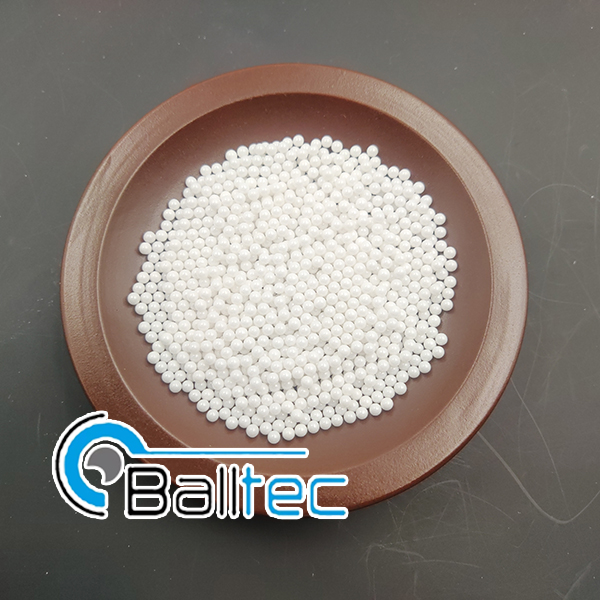
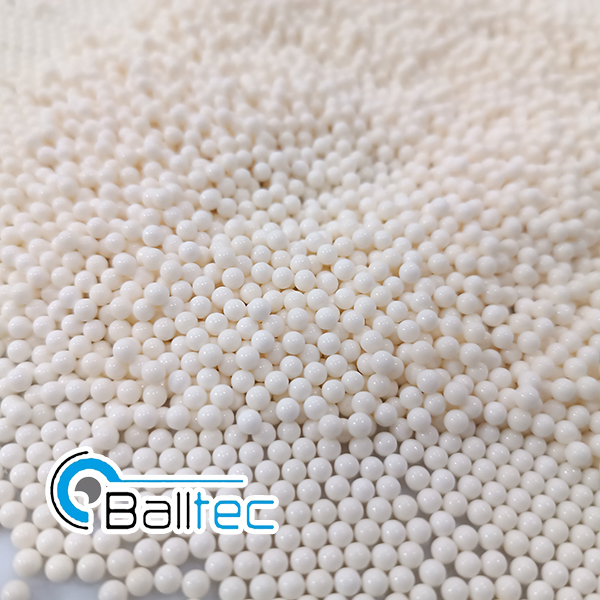
Zirconia beads are primarily manufactured through three distinct processes: rolling, pressing, and drop spheronization. The rolling method involves mixing powder with binders in a rotating drum to form spherical beads. This process is simple, cost-effective, and offers high production capacity, making it suitable for producing general-purpose zirconia beads ranging from 0.1–60mm. However, both density and sphericity are generally moderate. The pressing method employs dry pressing or isostatic pressing techniques, resulting in high green density, uniform structure, and excellent strength and wear resistance. This method is primarily used for large, high-density zirconia beads above 10mm, though it requires higher equipment investment. The drop spheronization method involves dripping zirconia slurry into a solidifying medium, where beads form naturally through surface tension. This technique delivers superior sphericity and density and is ideal for producing ultra-fine grinding microbeads from 0.03–3mm, albeit with higher production costs and lower efficiency.
1.Rolling Granulation
Rolling granulation is the most commonly used large-scale production process for zirconia beads. Zirconia powder is mixed with binders and dispersants to form a plastic mass, which is then fed into a rotating drum granulator. Through the drum's rotation combined with material friction and collision, the mixture gradually rolls into spherical beads. This process offers simple equipment, easy operation, high output, and relatively low cost. It can produce beads ranging from 0.1 to 60mm in diameter, making it suitable for mass production of general-purpose zirconia beads. However, rolled beads exhibit relatively lower density, moderate sphericity, and inconsistent size uniformity. Internal micropores are common, limiting their performance in high-precision, high-wear-resistance ultra-fine grinding applications.
2.Pressing Granulation
Pressing granulation is a common process for manufacturing high-density zirconia beads, primarily utilizing dry pressing or isostatic pressing techniques. Zirconia powder first undergoes spray granulation to obtain well-flowing particles, which are then compacted through mold pressing or high-pressure isostatic pressing to achieve densified green bodies with regular shape and uniform internal structure. After high-temperature sintering, the beads exhibit high density, hardness, excellent wear resistance, and resistance to fracture, making them ideal for producing large grinding beads above 10mm. This process offers high forming strength and good dimensional stability, but requires substantial equipment investment and has lower production efficiency compared to rolling granulation. It is primarily employed in applications demanding high strength and wear resistance.
3.Drop Spheronization
Drop spheronization is an advanced process for manufacturing high-precision zirconia microbeads. Zirconia slurry is precisely metered and dripped into a solidifying medium, where it naturally contracts into regular spherical green bodies through surface tension. Beads produced through this process exhibit exceptionally high sphericity, uniform particle size, and excellent internal density. After sintering, they demonstrate outstanding wear resistance and impact resistance, making them particularly suitable for producing ultra-fine grinding microbeads ranging from 0.03–3mm. The drop spheronization process offers strong controllability and consistent product quality, meeting the demanding requirements of high-end fine dispersion and ultra-micro grinding applications. However, this process requires sophisticated equipment and control systems, has relatively low production efficiency, and involves higher raw material and processing costs. It is primarily used for small-batch, high-quality zirconia bead production in premium application fields.