Zirconia Beads - Specifications, Models & Pricing
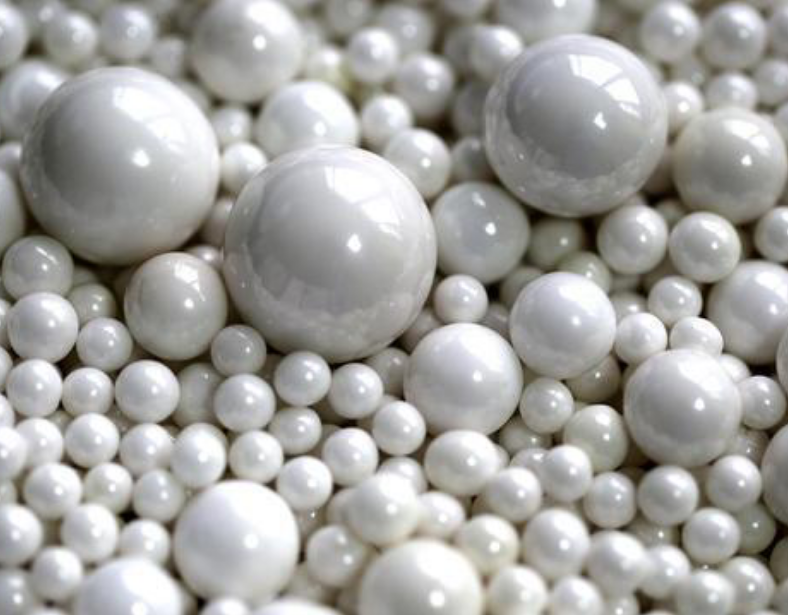
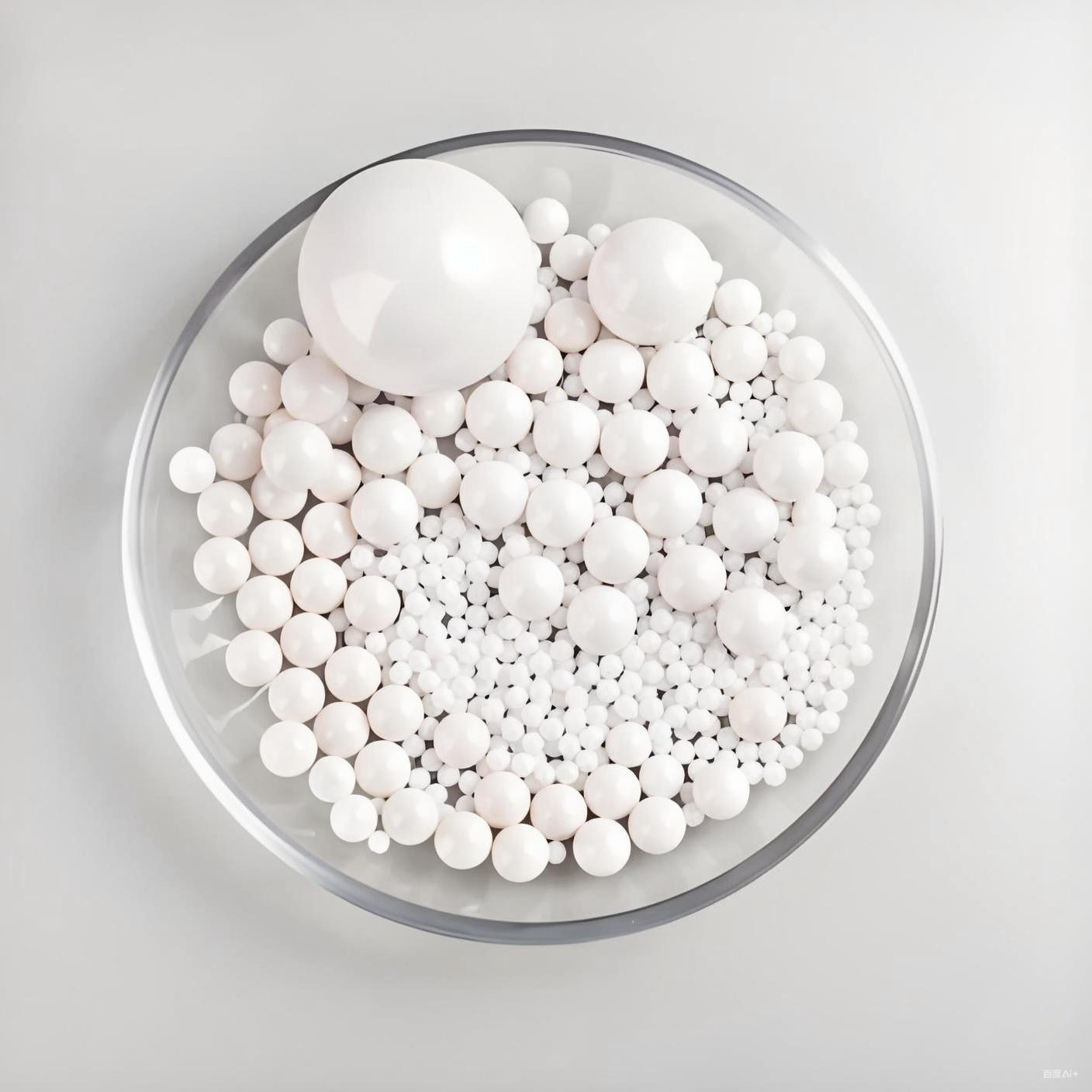
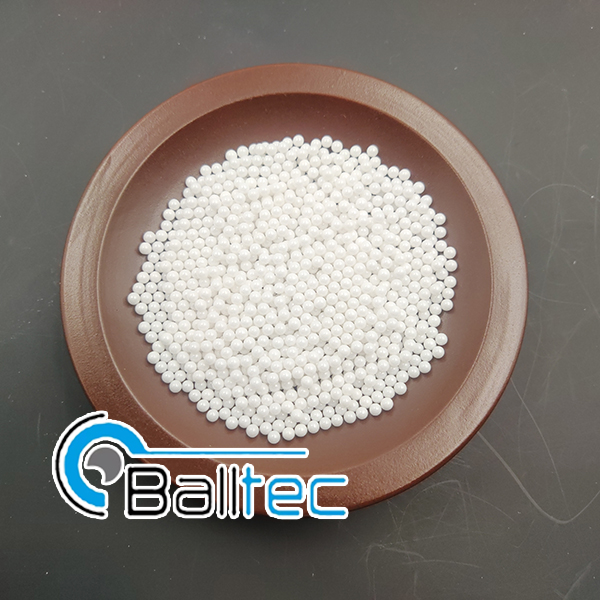
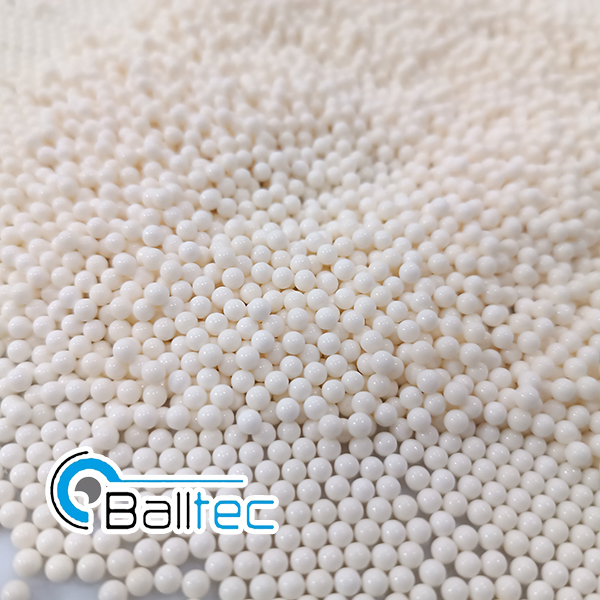
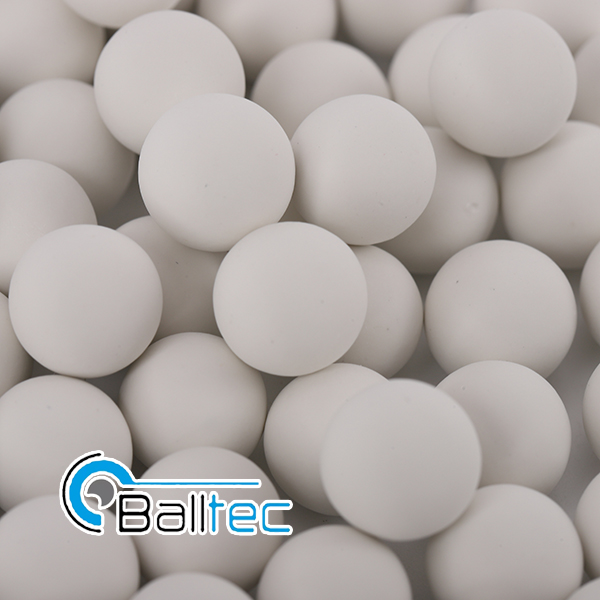
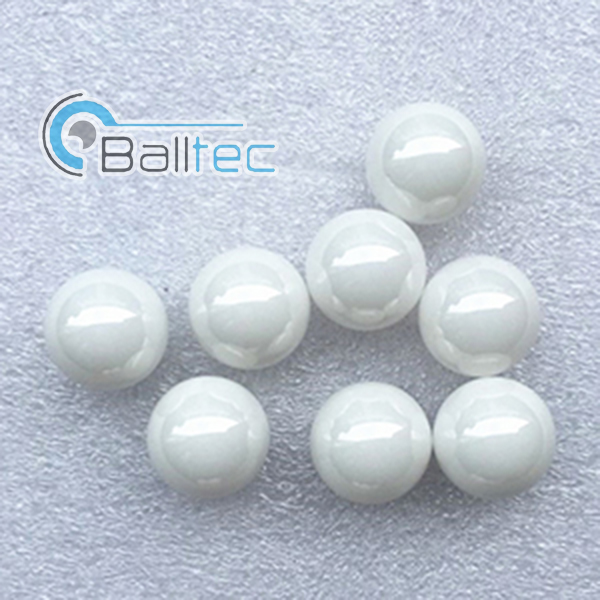
Zirconia beads are high-hardness, wear-resistant grinding media. The mainstream models include 95% yttria-stabilized, ceria-stabilized, 65% and 80% zirconia beads, with particle sizes ranging from 0.05mm to 50mm. The commonly used 0.3–3mm range is suitable for sand mills, 2–5mm beads for coarse grinding, and beads below 0.1mm for nano-grinding.
The market price of domestic 95% zirconia beads is approximately RMB 120–160 per kilogram, and ultra-fine microbeads are RMB 300–800 per kilogram; imported brands are priced at around RMB 500–1000 per kilogram. Prices are affected by purity, particle size and purchase volume – small-specification microbeads and high-purity products are more expensive. Zirconia beads are widely used in fine grinding scenarios such as coatings, inks, lithium batteries and pharmaceuticals, featuring wear resistance, low contamination and high grinding efficiency.
Specification Introduction
Common particle sizes: 0.05mm, 0.1mm, 0.2mm, 0.3mm, 0.4mm, 0.6mm, 0.8mm, 1.0mm, 1.2mm, 1.5mm, 2.0mm, 3.0mm, 5.0mm, 10mm. Special particle sizes can be customized as required.
Model Introduction
Based on composition and performance, zirconia beads are mainly divided into 65% zirconia beads, 80% zirconia beads, 95% yttria-stabilized zirconia beads and ceria-stabilized zirconia beads.
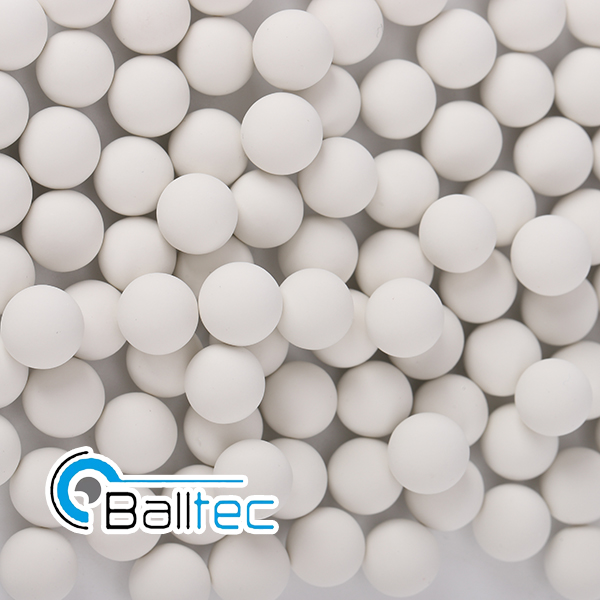
65% zirconia beads with 65% ZrO₂ content feature low density and high cost performance, and are mostly used for conventional coarse grinding.
80% zirconia beads with 80% ZrO₂ content have moderate hardness and wear resistance, serving as general-purpose grinding media.
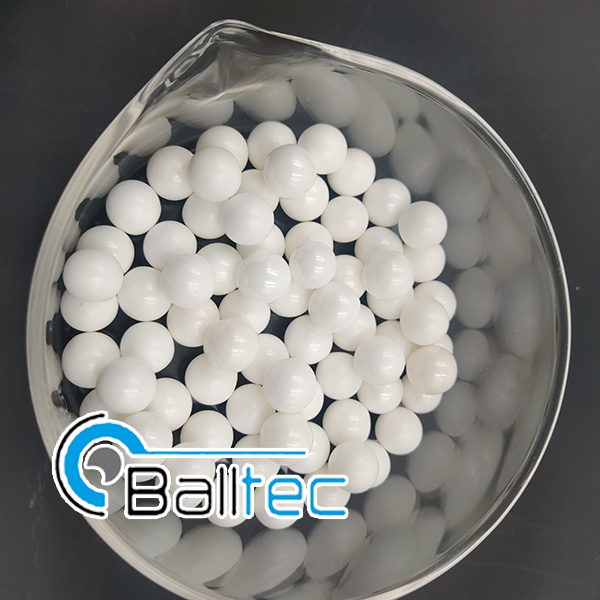
95% yttria-stabilized zirconia beads with 95% purity boast high density, high hardness and extremely low wear, suitable for nano-level fine grinding of lithium batteries, electronic slurries and other materials.
Ceria-stabilized zirconia beads also have a purity of 95%, with excellent acid resistance and high toughness, adapted for grinding acidic materials.
The particle sizes range from 0.05mm to 10mm – small particle sizes are used for ultra-fine dispersion, and large particle sizes meet the needs of coarse grinding and crushing. Zirconia beads are widely applied in coatings, inks, pharmaceuticals, ceramics and other industries.
Zirconia Beads Performance Parameters
|
Product Name |
ZrO₂ Content |
True Density (g/cm³) |
Mohs Hardness |
Bulk Density (g/cm³) |
Main Features |
|
65% Zirconia Beads |
65% |
≥3.7 |
7.5 |
≥2.3 |
Low cost, suitable for coarse grinding |
|
80% Zirconia Beads |
80% |
≥4.2 |
8.0 |
≥2.5 |
General-purpose for medium and fine grinding |
|
95% Yttria-Stabilized Zirconia Beads |
95% |
≥6.0 |
9.0 |
≥3.6 |
High wear resistance, for nano grinding |
|
Ceria-Stabilized Zirconia Beads |
95% |
≥5.9 |
8.8 |
≥3.5 |
Excellent acid resistance, high toughness |
Factors Affecting the Price
The price of zirconia beads is mainly affected by raw material purity, particle size, production process, purchase volume and other factors.
In terms of raw materials, 95% yttria-stabilized zirconia beads with high purity and good wear resistance are priced much higher than ordinary 65% and 80% zirconia beads. The smaller the particle size, the greater the manufacturing difficulty, and ultra-fine nano-level microbeads are significantly more expensive than conventional grinding beads.
In terms of production processes, high-quality beads made by isostatic pressing and high-temperature precision sintering have higher costs.
In addition, the larger the purchase volume, the lower the unit price; imported brands are usually more expensive than domestic products due to technology and brand premiums.
At the same time, price fluctuations of rare earth raw materials, requirements for product cleanliness and differences in application scenarios also directly affect the final pricing.