
Zirconia Ball: Applications and Features Overview
1. What is Zirconia Ball?
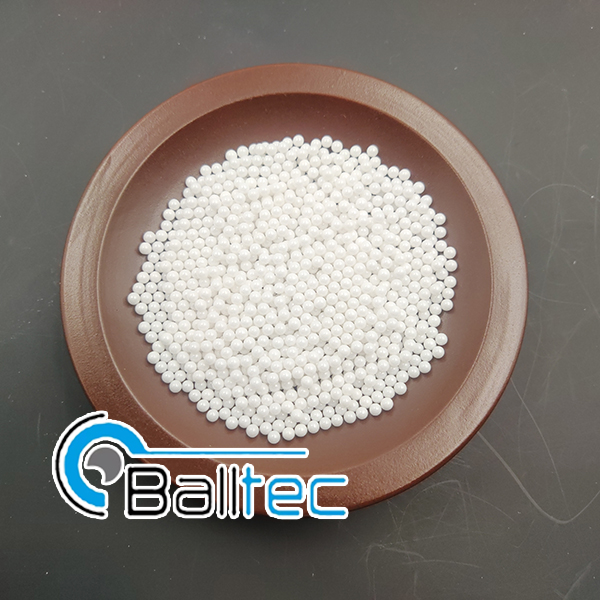
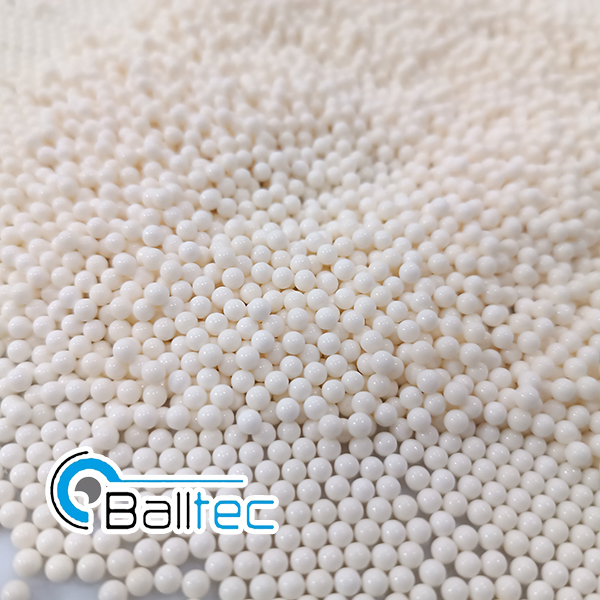
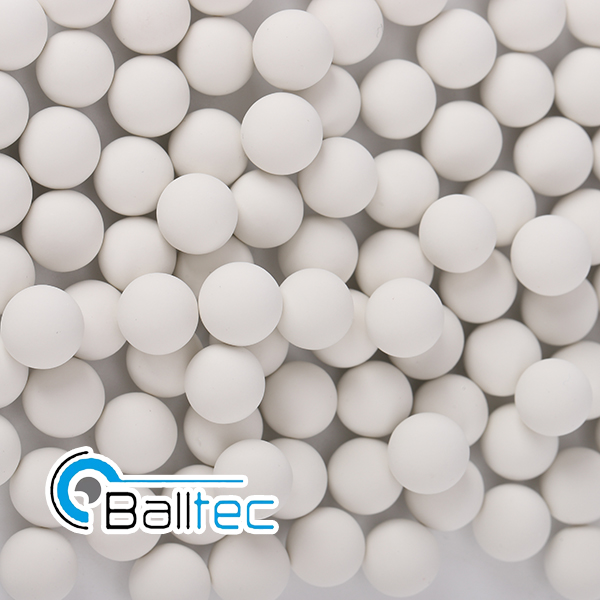
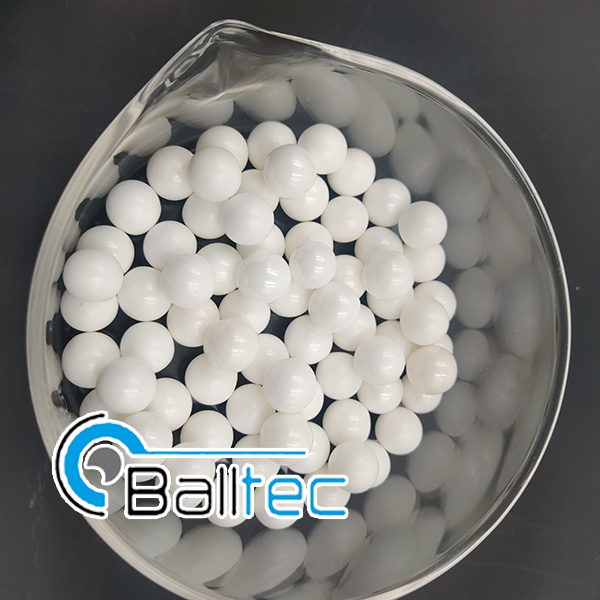
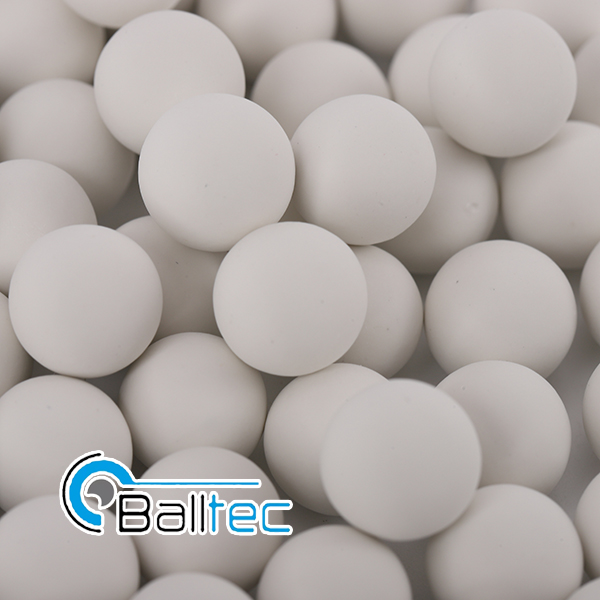
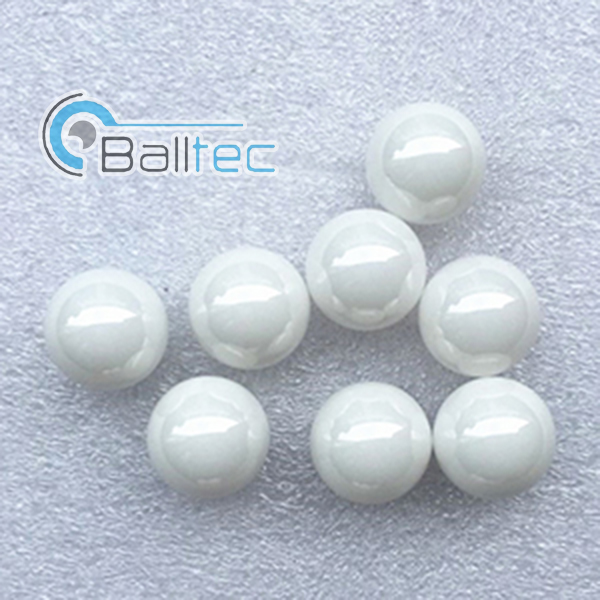
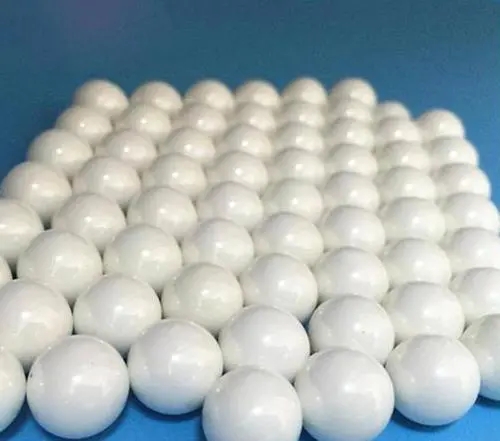
Zirconia Ball, made primarily from zirconium dioxide (ZrO₂), is a high-performance ceramic ball. Zirconia (ZrO₂) is a material known for its high hardness, wear resistance, and corrosion resistance. Zirconia balls are widely used in applications that demand high strength and durability, owing to their superior mechanical properties and excellent resistance to chemical attacks.
2. Key Features of Zirconia Balls
-
High Hardness: Zirconia balls possess extremely high hardness (Mohs hardness above 8.5), which makes them even harder than steel balls. This high hardness significantly reduces wear and tear, making them ideal for applications where abrasion resistance is critical.
-
Excellent Corrosion Resistance: Zirconia balls have outstanding resistance to a wide range of chemicals, including acids and alkalis. This makes them suitable for use in harsh, corrosive environments where other materials would degrade quickly.
-
Good Thermal Stability: Zirconia balls maintain their mechanical properties even at elevated temperatures. Their high thermal stability makes them ideal for high-temperature applications where other materials may fail or degrade.
-
Low Density and High Strength: Despite their low density, zirconia balls are known for their high strength, allowing them to support significant loads while minimizing the overall weight of machinery and systems.
-
High Elastic Modulus: The high elastic modulus of zirconia balls means they can withstand substantial impact and compression forces without breaking, making them ideal for high-load and shock-resistant applications.
-
Low Friction Coefficient: Zirconia balls have a low friction coefficient, which makes them suitable for applications involving sliding or rotating components. This reduces wear and heat buildup, thereby increasing the longevity of equipment.