
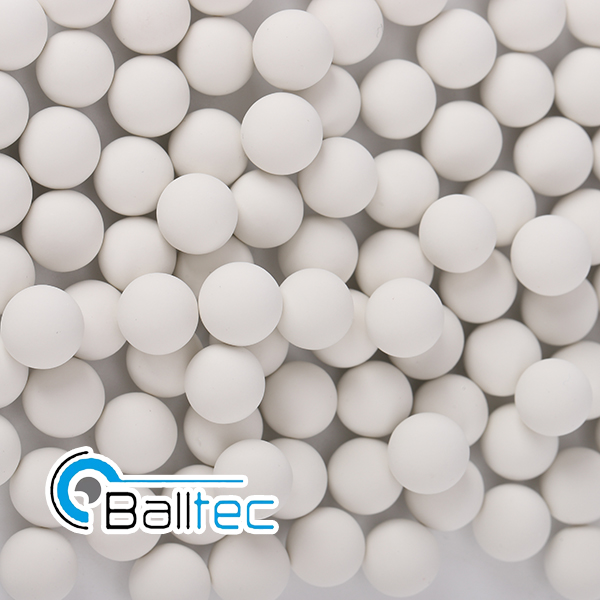
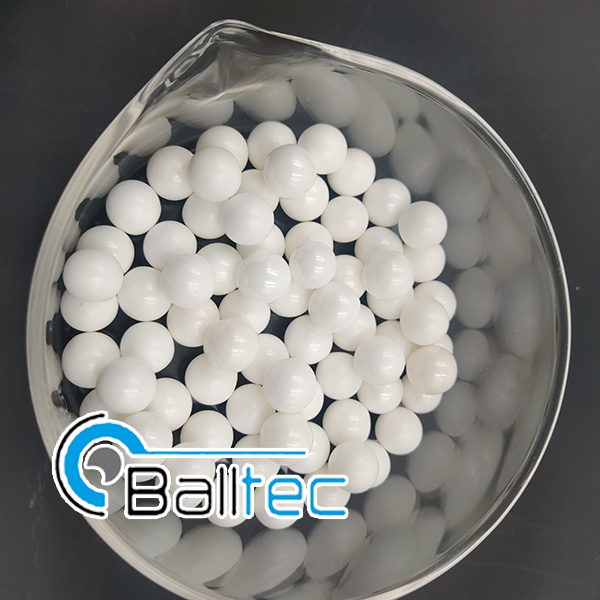
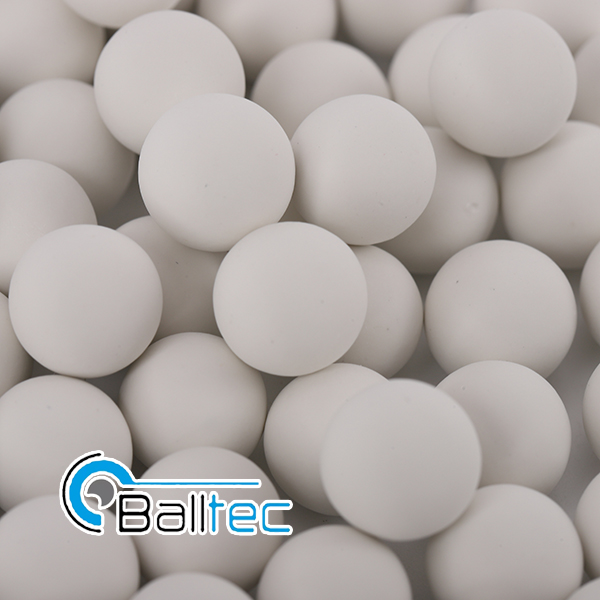
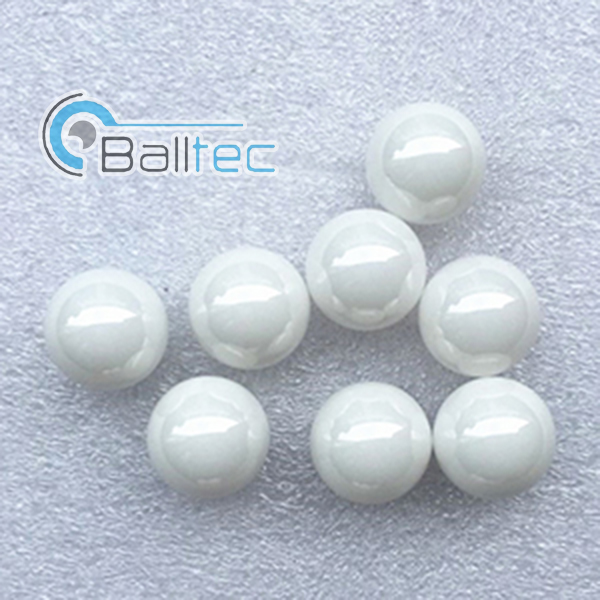
Which has higher efficiency, glass beads or zirconia beads for grinding?
Both glass beads and zirconia beads can be used for the dispersion and grinding of coatings, pesticides, paints, color pastes, inks, suspending agents, titanium dioxide, and other materials. While both serve as grinding media, their grinding efficiencies are significantly different.
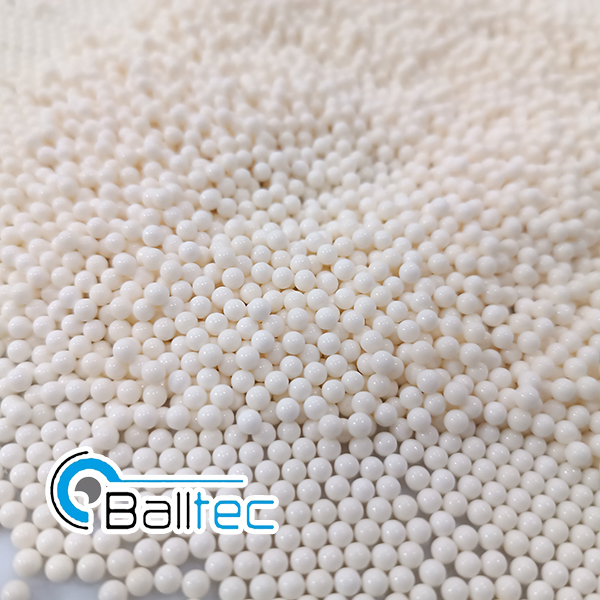
First, from the perspective of composition: Glass beads have a main component composition of SiO₂ > 65.0, Na₂O < 14.0, CaO > 8.0, and MgO > 2.5. They feature uniform size, smooth surface, high hardness (Mohs hardness 6-7), and excellent chemical stability.
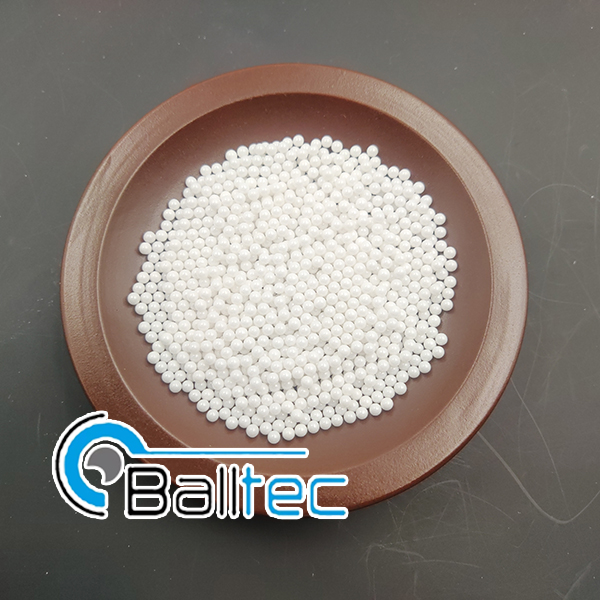
Zirconia beads are mainly composed of zirconia (ZrO₂) and yttria (Y₂O₃), with a Mohs hardness of 9. Yttria-stabilized zirconia (Y-TZP) boasts high strength, excellent fracture toughness, high hardness, high elastic modulus, a linear expansion coefficient close to that of metals, outstanding wear resistance, non-magnetism, and corrosion resistance to acid and alkali media. In terms of hardness and composition comparison, zirconia beads have harder material and better wear resistance, and are not prone to breakage. Their wear resistance is approximately 20 times that of glass beads.
Regarding density: The density of glass beads ranges from 2.4 to 2.6 g/cm³, while that of zirconia beads is 6.0 g/cm³. Due to their higher density, zirconia beads achieve higher grinding efficiency during application. Under the same conditions, grinding with zirconia beads shortens the grinding time and makes it easier to achieve the required material fineness. Glass beads, however, are fragile. When used in sand mills, they need to be replenished every 3 days or so, which is overly frequent and increases labor costs. In contrast, zirconia beads have low wear rate and a long service life.
In summary, zirconia beads offer excellent grinding efficiency, low wear rate, and superior wear resistance. From the perspective of comprehensive cost, they are the ideal grinding media.