
What are the uses and application scenarios of ceramic balls and ceramic packing?
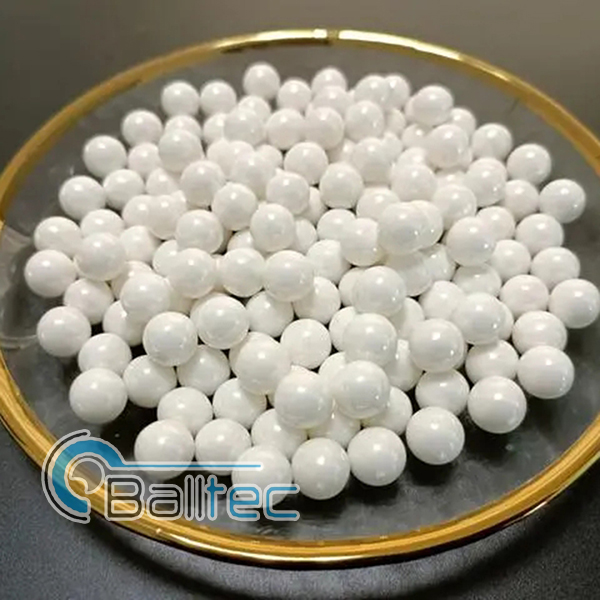
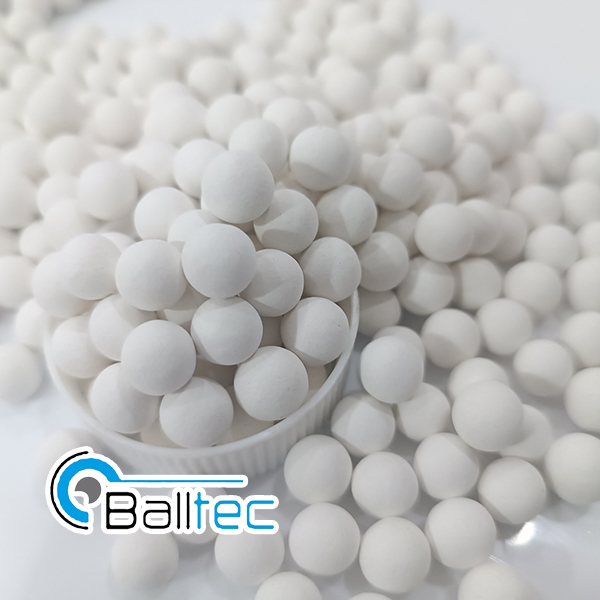
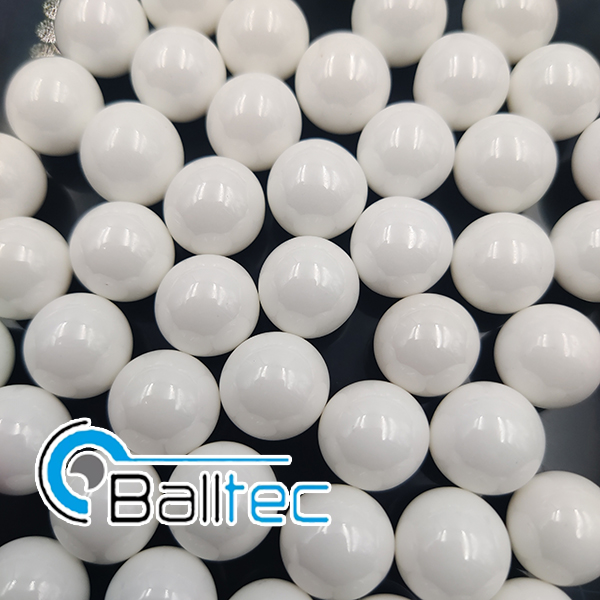
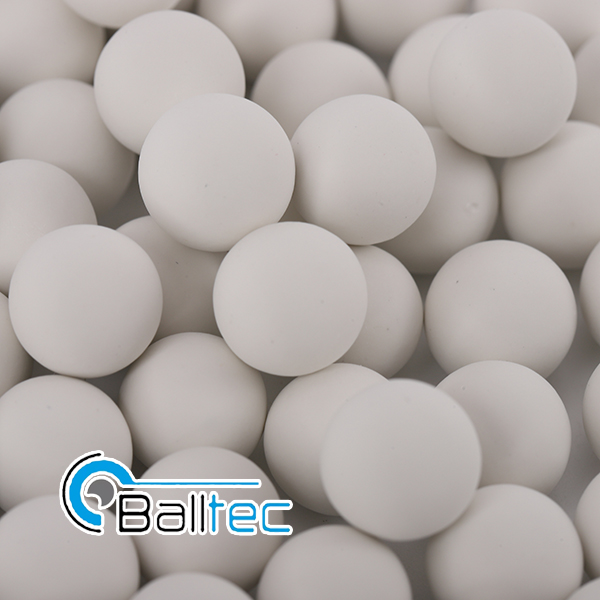
(1) Ceramic Balls
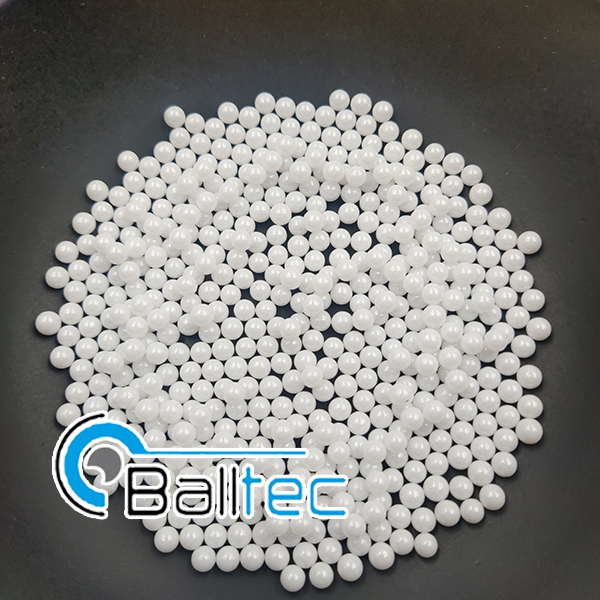
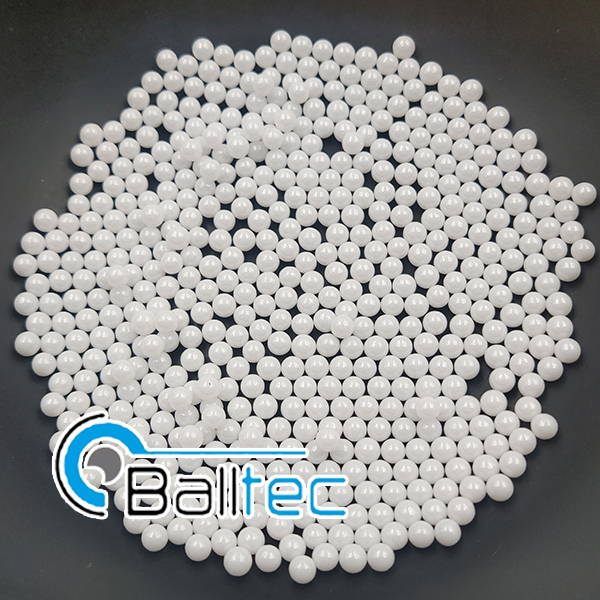
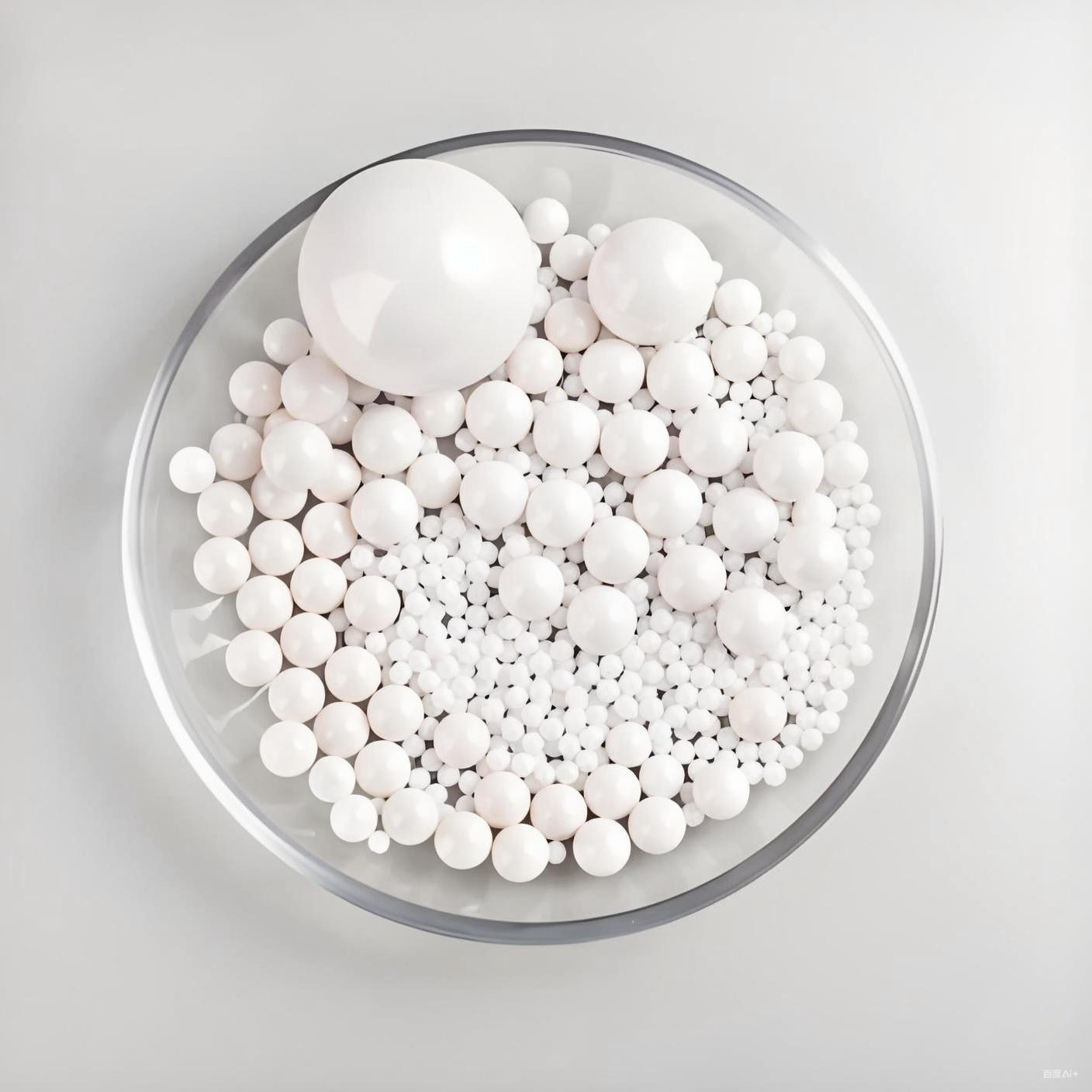
They serve as covering, supporting and filtering materials, as well as catalyst carriers in various packed towers; they are also used as heat storage packing in air separation units and high-wear-resistance grinding media. Ceramic balls include: inert ceramic balls, porous ceramic balls, microporous ceramic balls, active ceramic balls, heat storage ceramic balls, and grinding ceramic balls.
(2) Chemical Packing
It is applied in drying towers, absorption towers, cooling towers, scrubbing towers and regeneration towers in industries such as oil refining, metallurgy, coal gas production and oxygen generation, playing roles of support, covering and filtration. Chemical packing is divided into random and structured packing made of ceramic, plastic and metal materials.
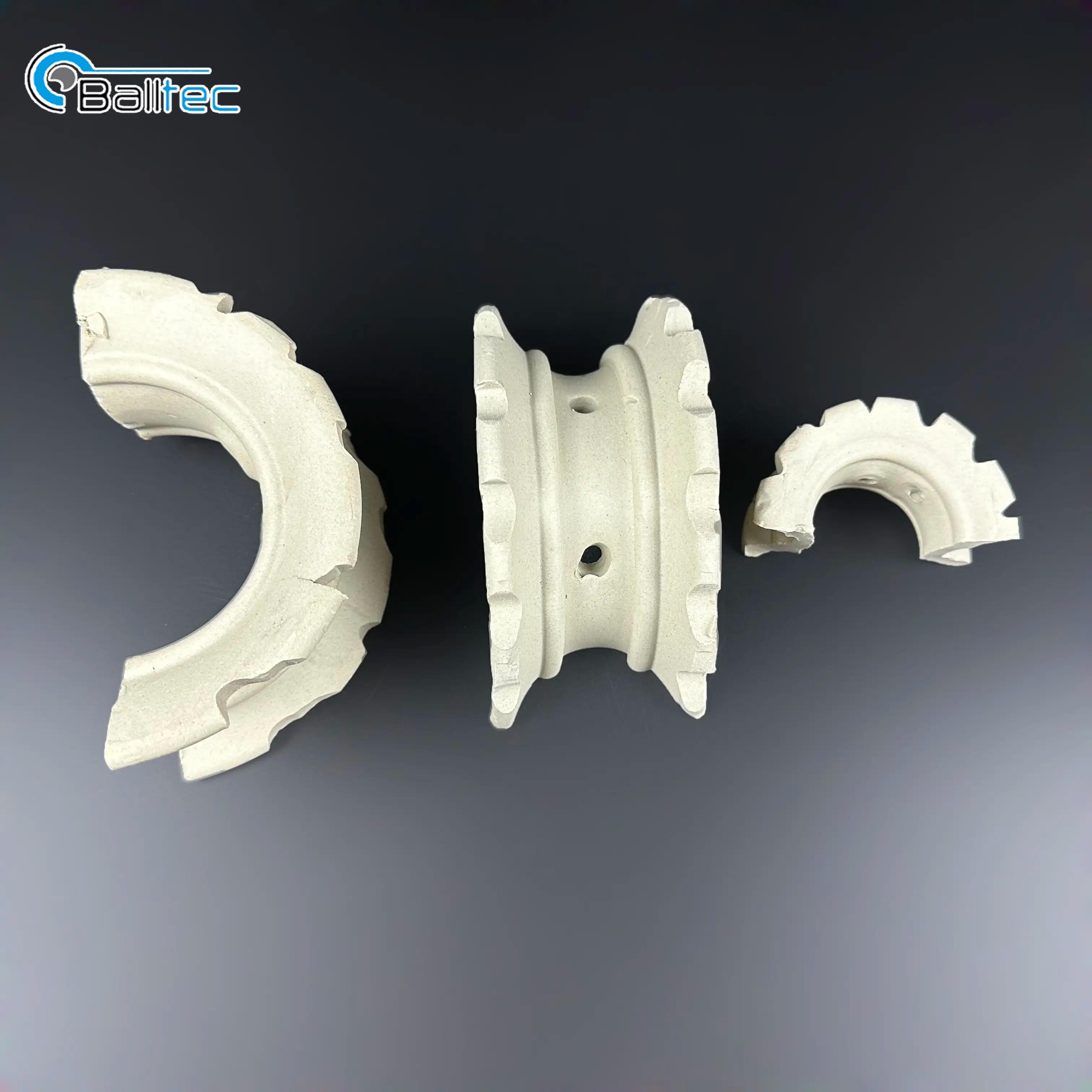
(3) Ceramic Packing
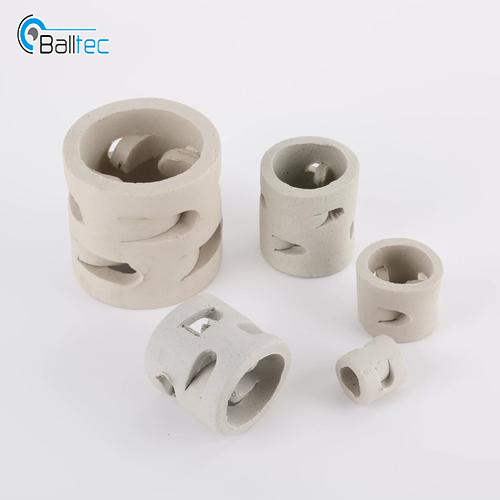
It features excellent acid and heat resistance, being resistant to corrosion by various inorganic acids (except hydrofluoric acid), organic acids and organic solvents, and can be used in various high and low temperature conditions with an extremely wide application range. Ceramic packing is applicable to drying towers, absorption towers, cooling towers, scrubbing towers, rectification towers, atmospheric towers, synthesis towers, catalytic towers, regeneration towers and other equipment in chemical, metallurgy, coal gas production, oxygen generation and other industries. It is classified into ceramic random packing (Raschig rings, Pall rings, cascade mini-rings, cross rings, intalox saddles, Intalox super saddles, conjugate rings, Heli rings, flower rings, multi-surface hollow spheres, covering balls, tri-Y rings, interlocking rings, flat rings, etc.) and ceramic corrugated structured packing.
(4) Plastic Packing
It has the characteristics of light weight, heat resistance and chemical corrosion resistance, including tower packing made of PP, PE, RPP, PVC, CPVC, PVDF and other materials. Plastic packing boasts high porosity, low pressure drop and height of transfer unit, high flooding point, sufficient gas-liquid contact and high mass transfer efficiency. It can be used at a temperature of 60-280℃ in various media, and is widely applied in packed towers of petroleum, chemical, chlor-alkali, coal gas production, environmental protection and other industries. Plastic packing is divided into plastic random packing (multi-surface hollow spheres, flower rings, Heli rings, cascade mini-rings, Pall rings, intalox saddles, Intalox super saddles, conjugate rings, flat rings, Raschig rings, snowflake rings, hexagonal rings, rotating rings, pentagonal rings, conical rings, mesh rings, cross spherical rings, floating balls, liquid surface covering balls, diamond covering balls, etc.) and plastic structured packing.
(5) Metal Packing
It refers to tower packing made of carbon steel, stainless steel, alloy and other materials. Metal packing has the advantages of thin wall, resistance to cold and heat, high porosity, large flux, low pressure drop, small resistance, good separation effect and long service life. Although its one-time investment is slightly higher, it can give full play to the potential of equipment. Metal packing is suitable for vacuum rectification towers to handle sensitive materials that are easy to decompose, polymerize and carbonize. It is widely used in packed towers of petrochemical, chemical fertilizer, chemical, environmental protection and other industries. Metal packing is classified into metal random packing (Pall rings, intalox saddles, cascade mini-rings, conjugate rings, 84 inner arc rings, flat rings, etc.) and metal structured packing (metal wire mesh corrugated packing, metal perforated plate corrugated packing, calendered perforated plate corrugated packing, metal mesh plate corrugated packing, HT half-tube structured packing).