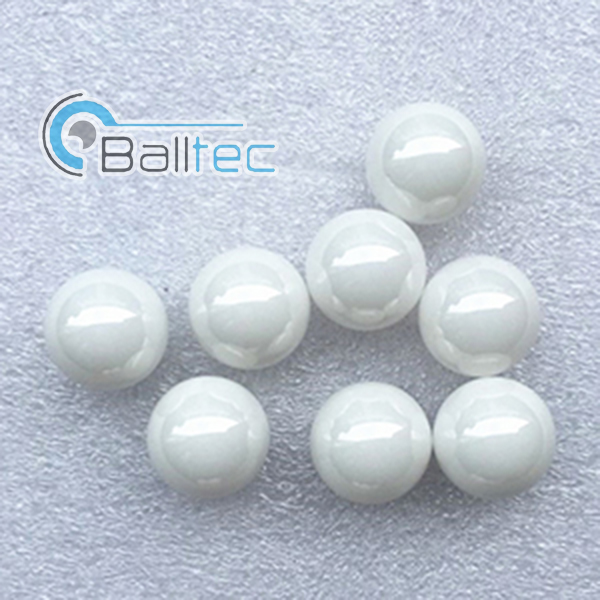
What are the specific uses of high-aluminum grinding balls?
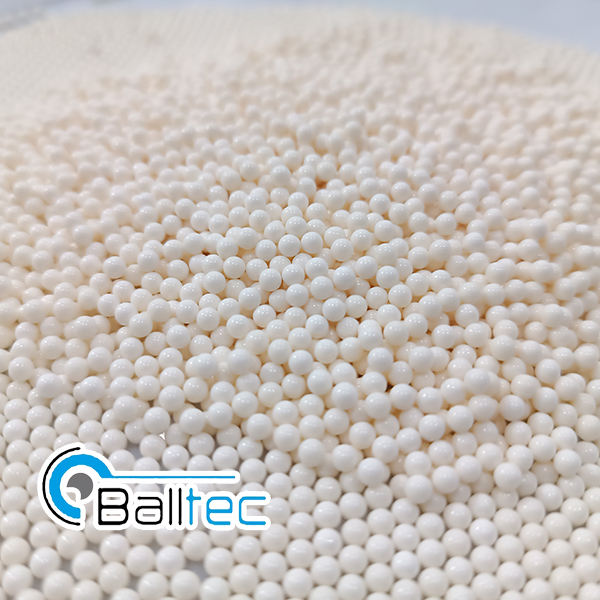
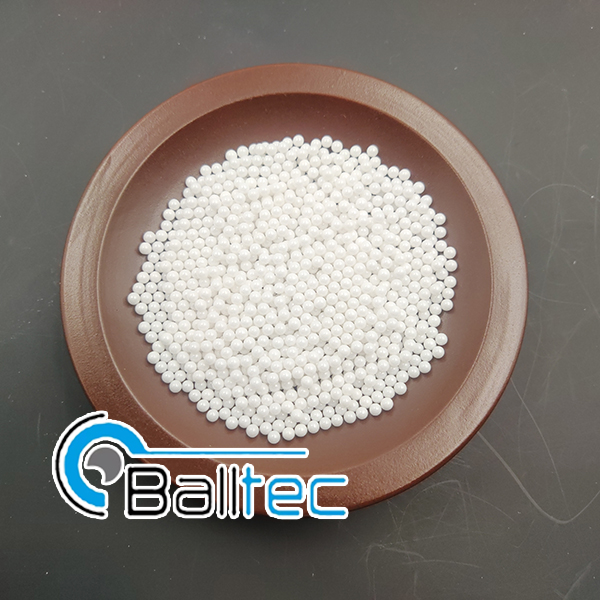
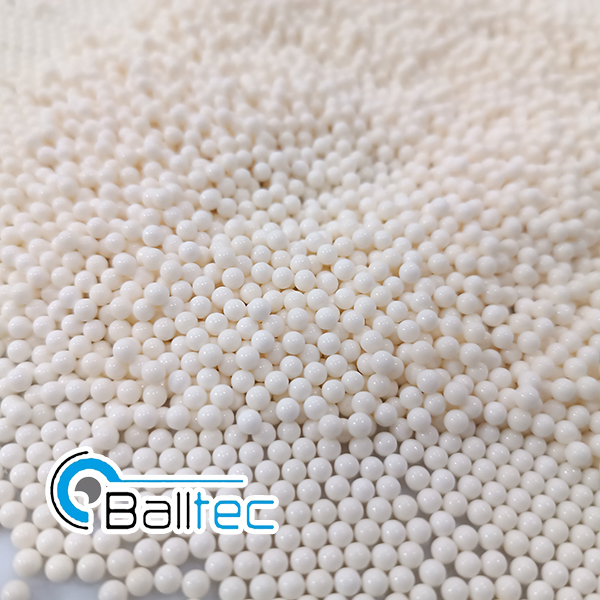
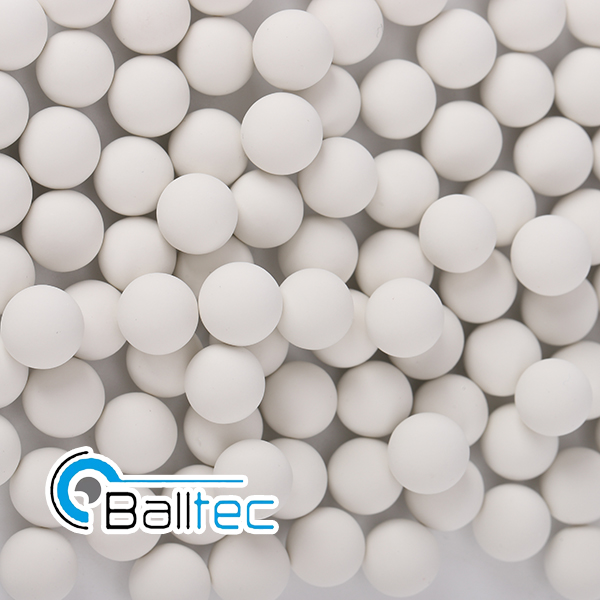
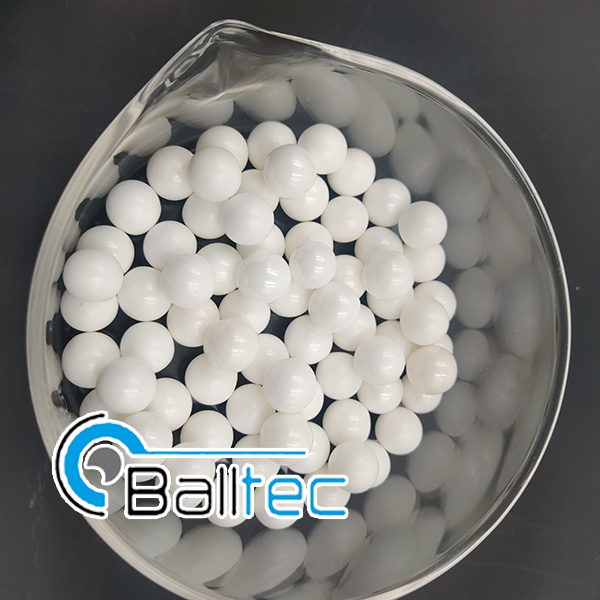
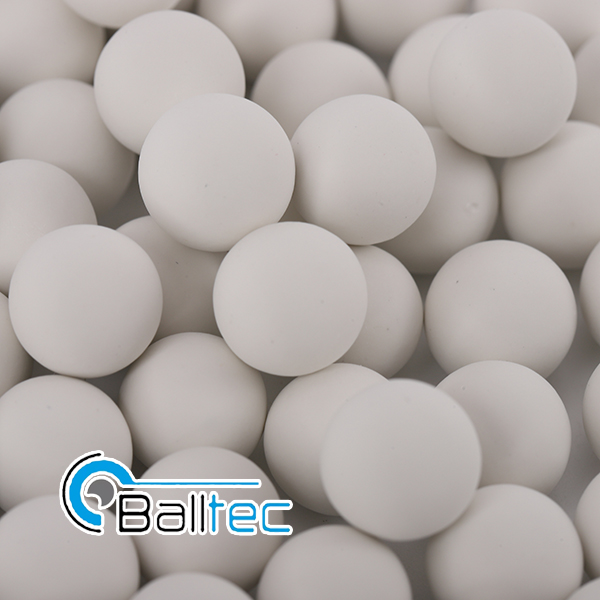
High-alumina grinding balls are a type of high-alumina balls. What are their specific uses and applicable fields? High-alumina grinding balls feature high strength, high hardness, excellent wear resistance, high temperature resistance, corrosion resistance, high specific gravity, and small volume. As a neutral, water-insoluble solid material, they are typically used as wear-resistant abrasives, with their application centered on wear resistance (key performance indicators include compressive strength and bulk density). These wear-resistant materials can be filled into fine grinding equipment such as grinders, stone mills, jar mills, and vibration mills.
High-alumina grinding balls are primarily used for grinding ceramic blanks in the ceramic industry. In the production of silica powder at quartz plants, replacing quartz balls with high-alumina grinding balls can significantly boost output and product quality, while saving labor and time costs associated with adding grinding media. Grinding raw materials with high-alumina balls not only reduces electricity consumption and increases production volume but also improves mechanical efficiency and provides substantial protection to mechanical equipment.
These outstanding characteristics make high-alumina grinding balls widely applicable to the finishing and deep processing of thick, hard materials in various factories, including ceramics, enamel, glass, and chemical industries. Among them, 92% high-alumina grinding balls are the most commonly used variant—they are mainly applied in fine powder grinding, chemical packaging, and other industries, and are suitable for high-temperature, high-pressure, and corrosive operating environments. Due to their low impurity and silica content, they are also suitable for use as catalyst carriers.
The properties of high-alumina balls depend on the production formula. High-alumina grinding balls are manufactured by selecting high-quality alumina powder, followed by high-temperature refining, processing, and sintering. Their production process flow is as follows: alumina powder is placed in an extruder and formed via isostatic pressing.