What are the characteristics and advantages of high-purity zirconia beads?
The material of zirconium beads is mainly zirconium oxide, depending on the type of zirconium beads. There are yttrium zirconium beads, cerium zirconium beads, composite zirconium beads, etc.
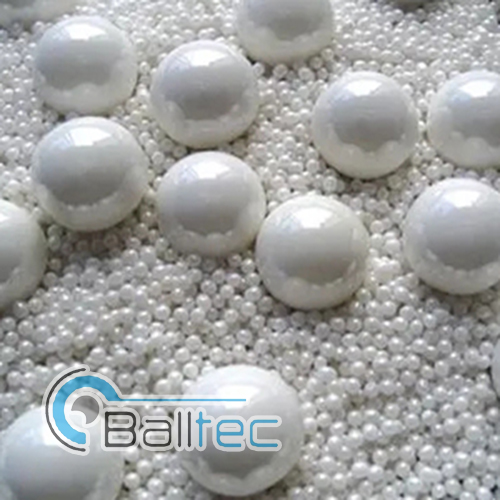
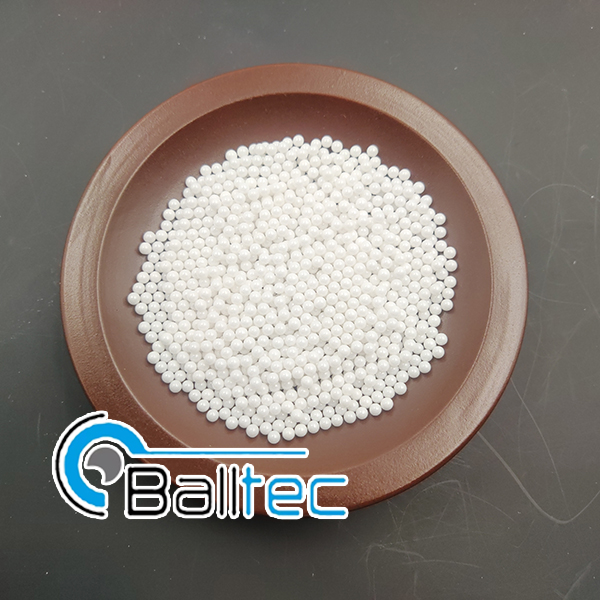
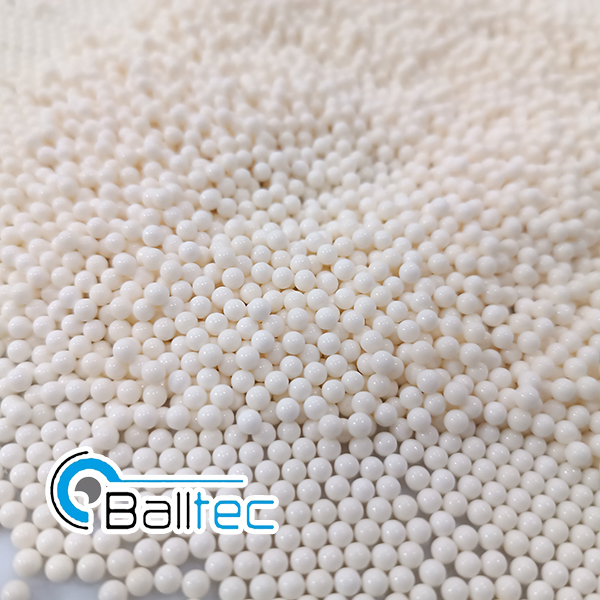
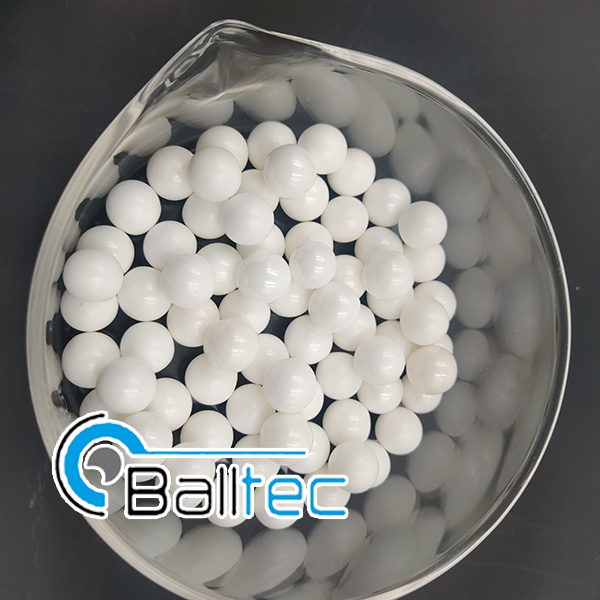
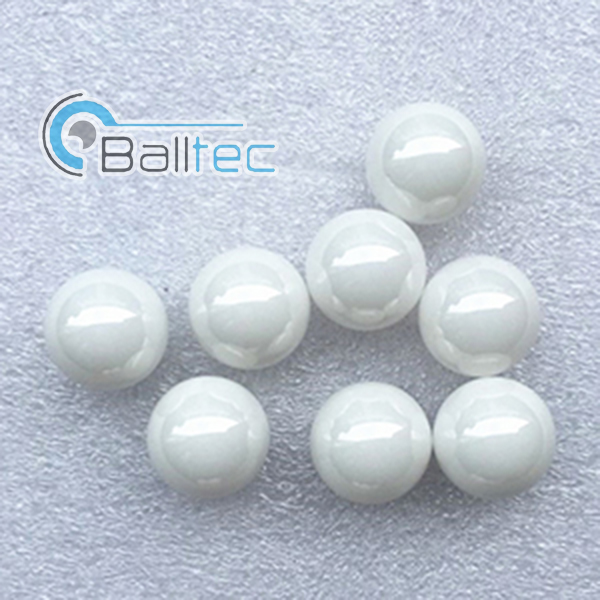
Yttrium zirconium beads, also known as yttrium-stabilized zirconium oxide beads, have the highest content of zirconium oxide among zirconium beads and are the most common. The content of zirconium oxide is 95%, and 5% of yttrium oxide is used as a stabilizer. Due to the excellent hardness and toughness of this type of zirconium bead, it has low wear and is widely used in fine grinding. According to current technology, zirconium beads with a diameter of 0.05 can be made by dripping in an electrolyte solution (refer to our yttrium-stabilized zirconium oxide beads), and zirconium oxide beads with a particle size of 0.05mm are suitable for nano-level grinding.
Cerium zirconium beads, also known as cerium-stabilized zirconium oxide beads, have an oxide zirconium content of 80% and an oxide cerium content of 20%. They come in yellow, coffee color and black. Cerium zirconium beads have a higher specific gravity, so they have greater kinetic energy during grinding and have significant advantages in grinding high-viscosity materials. They can also be used in high-shear sand mills.
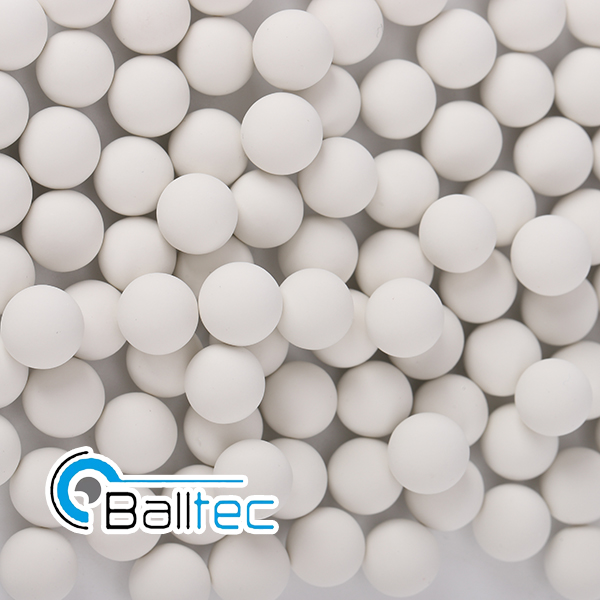
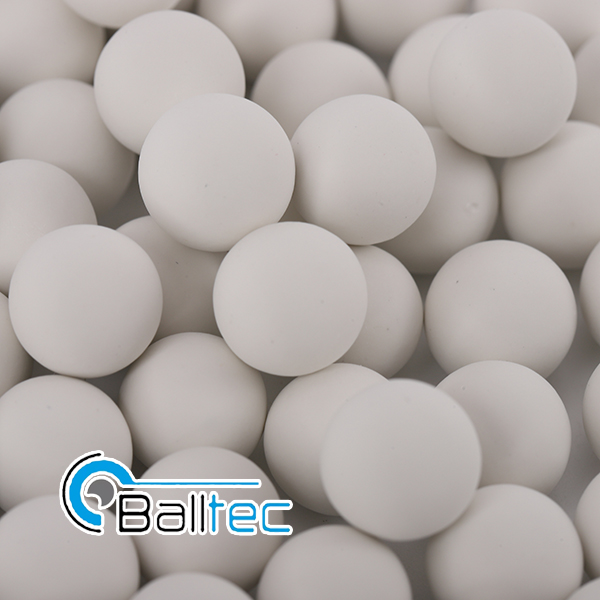
Composite zirconium beads are formed by rolling and high-temperature calcination of alumina and zirconium oxide, with the composition of alumina and zirconium oxide, and 5% of other components. The zirconium oxide accounts for 75%, and the alumina accounts for 20%. Since composite zirconium beads contain zirconium oxide, their wear is much lower than alumina balls, so the performance of composite zirconium beads is better than that of alumina balls.
Silica zirconium beads, the material is zirconium oxide and silicon oxide, with 64% zirconium oxide and 33% silicon oxide. Their density and hardness are medium, suitable for grinding materials with medium to low viscosity.