The impact of excessive filling rate in the sand mill on the grinding efficiency
Sand mill filling volume = bulk density × mill volume × filling rate. The filling rate of vertical sand mills ranges from 40% to 60%, while the optimal filling rate of horizontal sand mills is 80% to 85%.
Attention should be paid to solid content and temperature. Excessively high filling volume will cause the material temperature to rise sharply. Sand mills with an all-polyurethane structure require the lowest filling rate, as the operating temperature of polyurethane should normally not exceed 60°C. The highest filling rate applies to sand mills with a silicon carbide inner cylinder, because silicon carbide has better thermal conductivity than zirconia.
The filling rate of a sand mill has a direct impact on grinding efficiency. As the filling rate increases, the D50 particle size of the ground slurry first decreases and then basically stabilizes. This is because a higher filling rate means a greater number of zirconia beads per unit volume in the sand mill chamber, leading to more frequent collision, shearing and friction forces acting on individual slurry particles, which makes the slurry particles easier to grind and disperse.
However, when the sand mill filling rate increases to 80%, the gaps between zirconia beads inside the mill become extremely small, and further increasing the filling rate has little effect on grinding efficiency. Moreover, a higher filling rate results in greater energy consumption, easily intensifying the wear between zirconia beads, as well as between zirconia beads and the inner wall of the grinding chamber. This leads to increased heat generation inside the grinding chamber, causing the slurry temperature to rise and viscosity to increase, thereby reducing the grinding efficiency. Therefore, the sand mill filling rate should not be excessively high, with the optimal range being 70% to 80%.
Sand mills also have their inherent application limitations. For example, they impose requirements on the fineness of feed materials, which should generally be less than 80 mesh (<0.18mm).
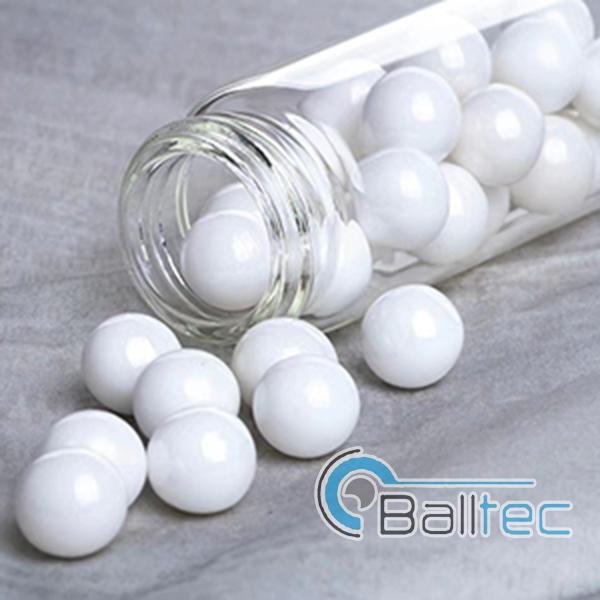
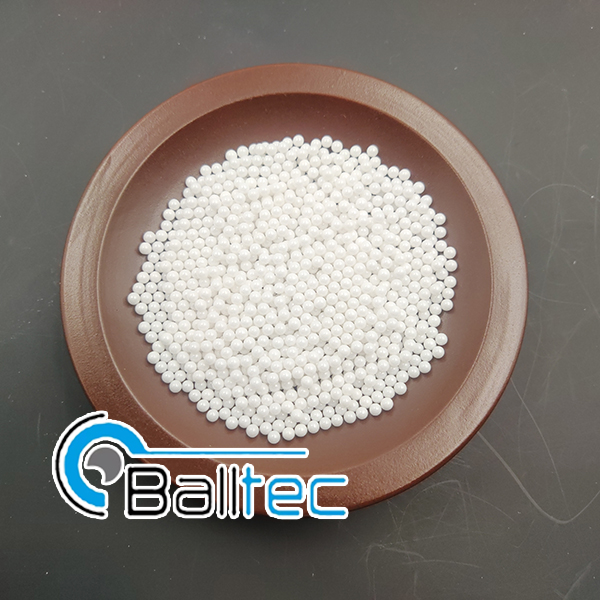
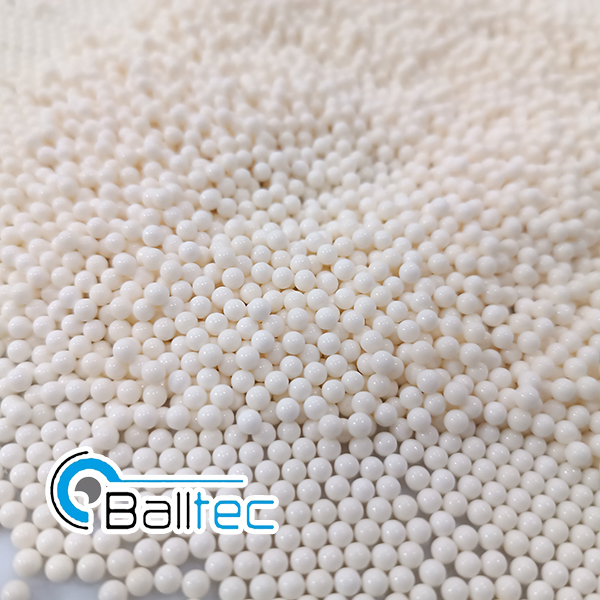
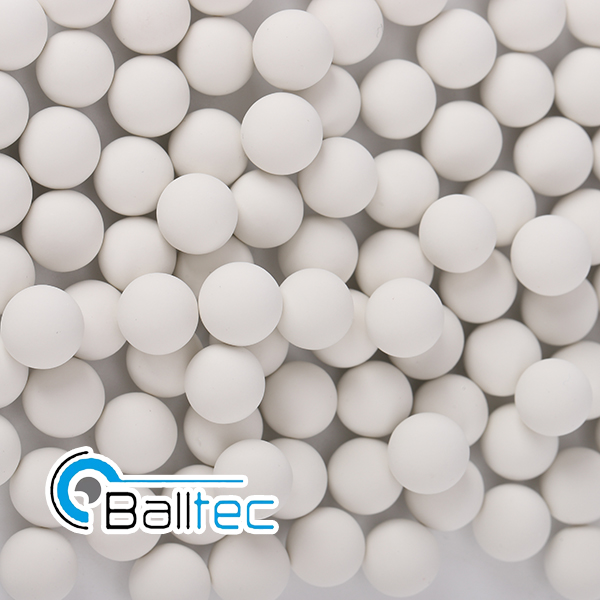
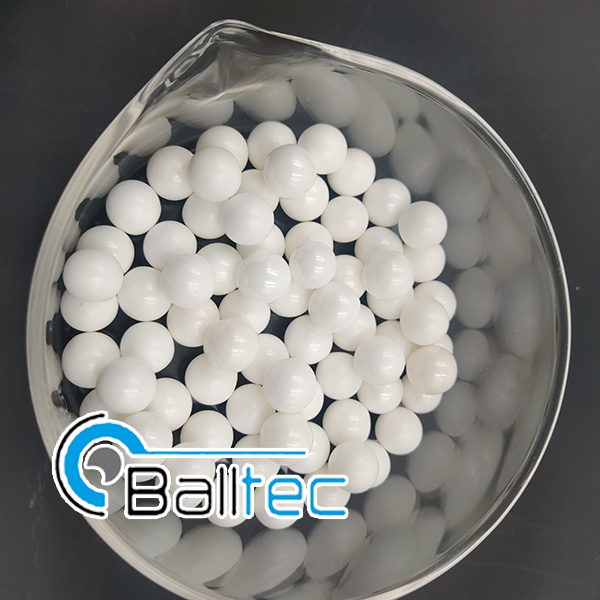
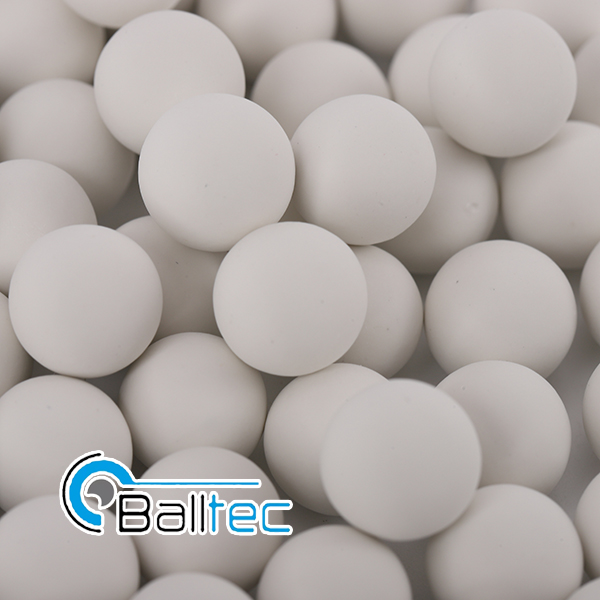
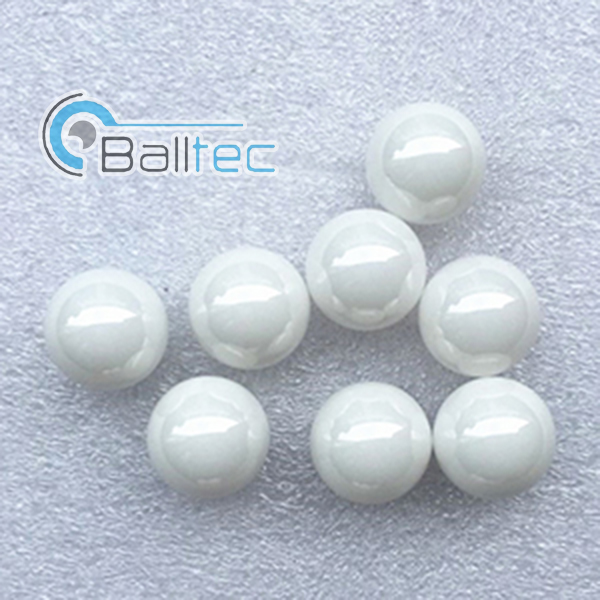
Zirconia beads can be used in equipment such as grinders, sand mills, planetary ball mills and horizontal ball mills, for grinding and dispersing materials including inks, paints, coatings, food, ceramic slurries, plants, powders, MLCCs, hair, tissues and cells. Zirconia beads contain no heavy metals, feature low wear rate, high specific gravity, excellent surface finish and high grinding efficiency. They are resistant to acid, alkali and high temperatures, applicable to both dry and wet grinding processes, and can be reused. They are ideal alternatives to other grinding media such as steel balls, agate beads, alumina balls and glass beads.