Slurry and powder preparation ball-milling grinding process
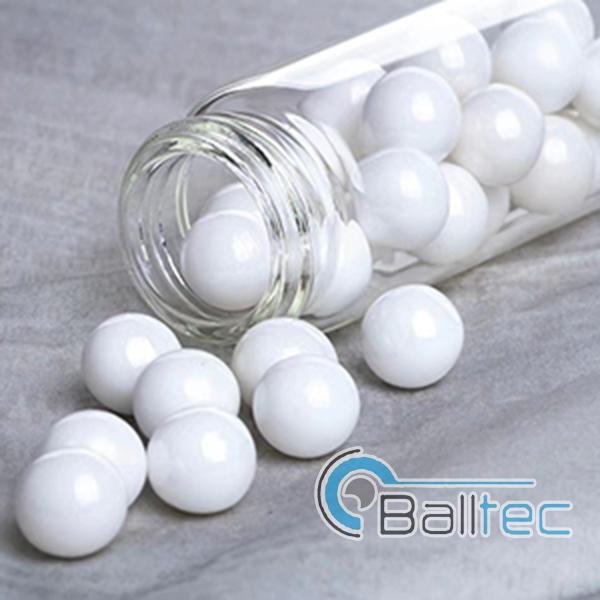
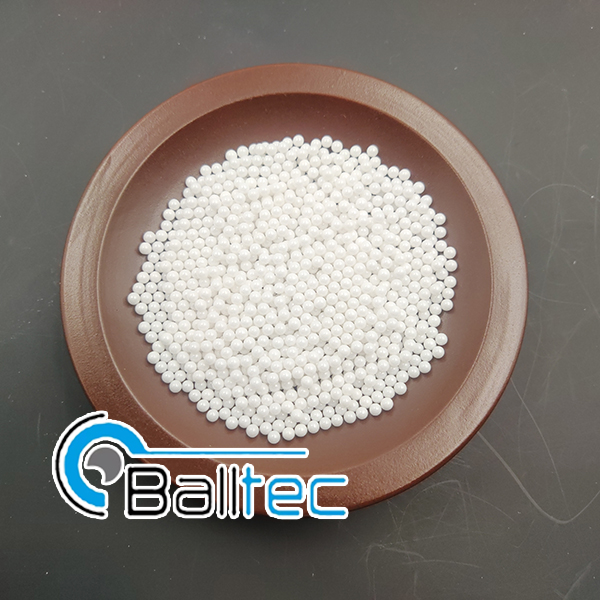
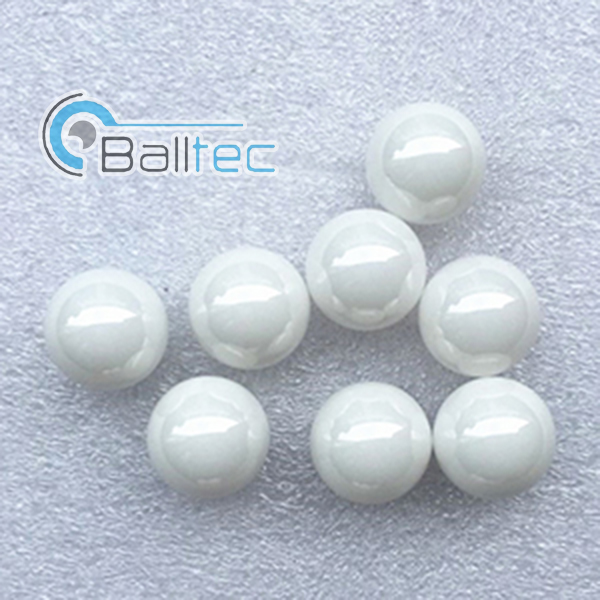
Ball milling is a grinding method that mainly uses balls as the medium to crush materials through impact, extrusion, and friction. During this process, the grinding balls endowed with kinetic energy move at high speed in a sealed container and collide with the materials. The materials break and split into smaller particles after being impacted, thereby achieving a fine grinding effect. Ball mills can be classified into various types, such as dry and wet grinding methods, as well as grid-type and overflow-type, etc. In addition, for laboratories, common equipment includes drum ball mills, planetary ball mills, and vibrating ball mills. In the ball milling process, it is crucial to select the appropriate material, size, and filling rate of grinding balls, as well as control parameters such as the rotation speed and time of the ball mill. The selection of these parameters will directly affect the grinding effect, energy consumption, and service life of the equipment. Therefore, the optimal grinding effect can be obtained by optimizing the ball milling process parameters. Basic Steps of Ball Milling in Ceramic Slurry Preparation (Example):1. Batching: According to the required ceramic material formula, mix various raw materials such as ceramic powder, dispersant, binder, catalyst, and sintering aid evenly in a certain proportion. 2. Adding Solvent and Ball Milling: Put the mixed raw materials into a ball mill jar and add an appropriate amount of solvent. Then, place the ball mill jar into a planetary ball mill, set an appropriate rotation speed, and allow the powder and solvent to be fully stirred and ball-milled. The ball milling time and speed are determined according to the specific raw materials and the required slurry performance. 3. Adding Plasticizer: After ball milling for a period of time, a plasticizer (such as a mixture of polyethylene glycol and dibutyl phthalate) can be added to the slurry to further improve the stability and fluidity of the slurry. After adding the plasticizer, perform ball milling again to ensure the plasticizer is uniformly distributed in the slurry. 4. Slurry Removal and Treatment: After ball milling is completed, remove the ball mill jar from the ball mill. The obtained slurry can undergo subsequent processes such as filtration and aging to meet the requirements of ceramic forming, coating, and other processes.