Performance Differences Between Inert Alumina and Activated Alumina Ceramic Balls
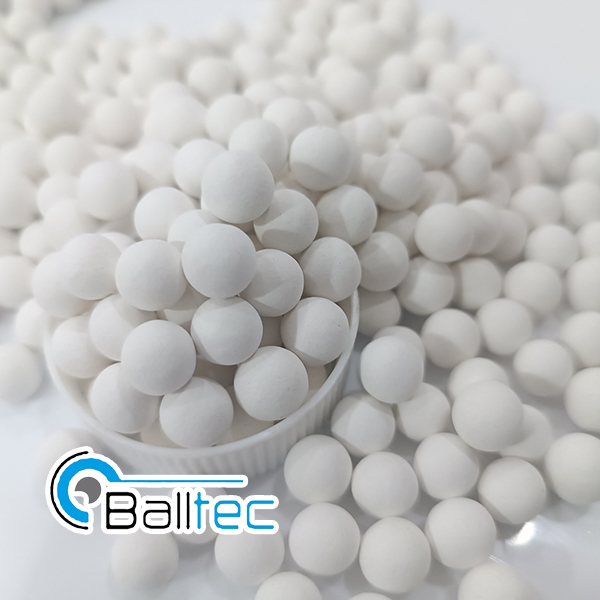
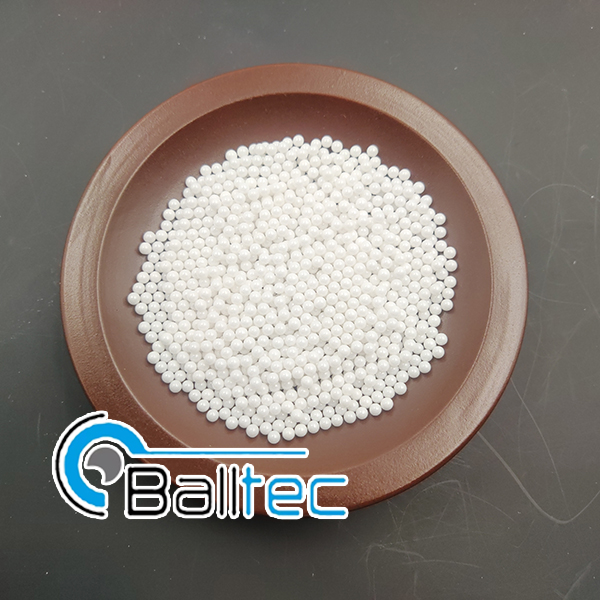
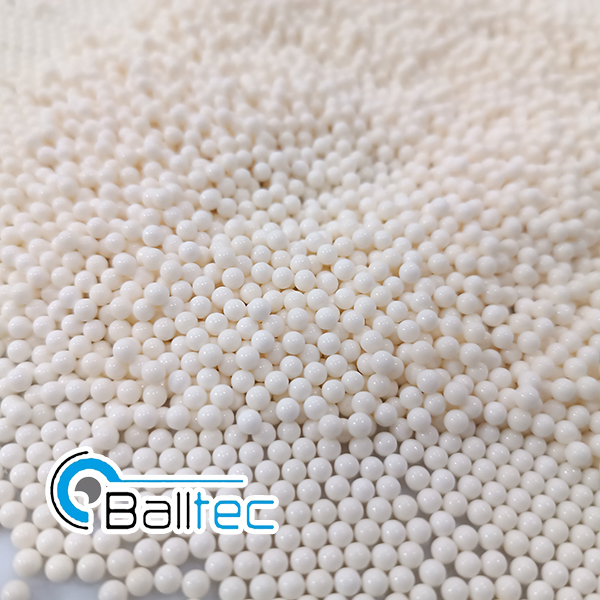
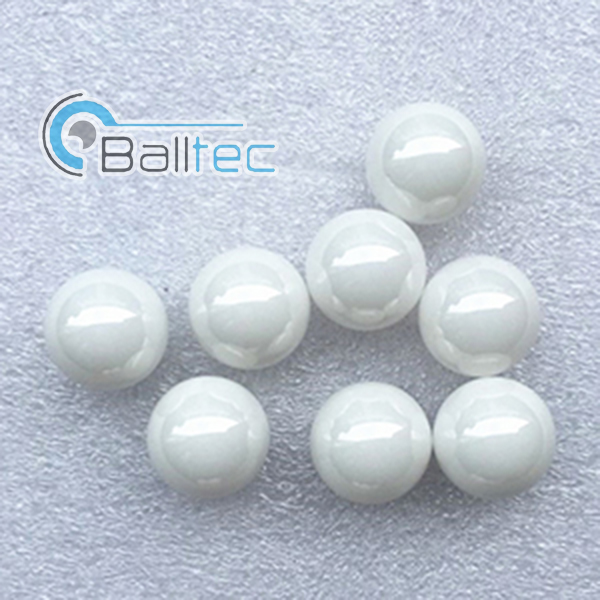
Activated alumina balls have numerous capillary pores and a large surface area, so they can be used as adsorbents, desiccants and catalysts.They show strong affinity for water, oxides, acetic acid, alkalis and other polar substances according to their polarity. Activated alumina balls are high-efficiency desiccants for deep dehydration and ideal adsorbents for polar molecules.
Activated alumina balls are reactive and can combine and react with materials.Their defluoridation performance is similar to that of anion exchange resins, but they have much higher selectivity for fluoride ions.Activated alumina features stable adsorption capacity, with a defluoridation capacity of 6400 grams per cubic meter.
This product has high strength, low abrasion, and remains stable in water — no softening, no swelling, no pulverization, no cracking.
Activated alumina balls are widely used for deep drying of petroleum cracking gas, ethylene and propylene gas; drying in hydrogen production, air separation units and instrument air dryers; fluoride removal from hydrogen peroxide solution.They can also remove pollutants such as hydrogen sulfide, sulfur dioxide, hydrogen fluoride and hydrocarbons from exhaust gas, and are suitable for fluoride removal from fluorine-containing water.
Application Fields
Activated alumina balls are widely used for deep drying of petroleum cracking gas, ethylene and propylene gas; drying in hydrogen production, air separation units and instrument air dryers; fluoride removal from hydrogen peroxide solution.They can also remove pollutants such as hydrogen sulfide, sulfur dioxide, hydrogen fluoride and hydrocarbons from exhaust gas, and are suitable for fluoride removal from fluorine-containing water.
Difference Between Activated Alumina Balls and Inert Alumina Balls
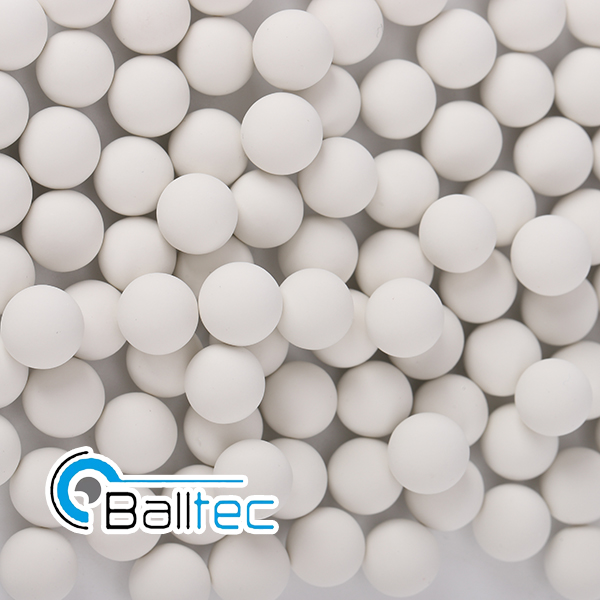
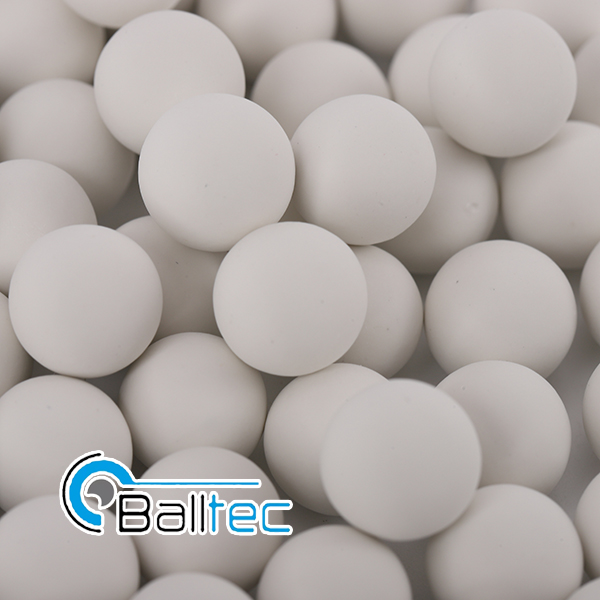
Inert alumina balls are ordinary ceramic balls used as isolation and support media before and after catalyst beds in reactors.They are chemically inert and do not react with process materials, mainly providing protection.
Inert alumina balls feature high strength, excellent chemical stability and thermal stability.They resist high temperature, high pressure, and corrosion from acids, alkalis, salts and various organic solvents.
Inert ceramic balls are widely used in petroleum, chemical, fertilizer, natural gas and other industries.As catalyst support and covering media in reactors, they buffer the impact of liquids and gases on the catalyst, protect low-strength active catalysts, and improve the distribution of fluids in the reactor.
Application Scope
Inert ceramic balls are widely used in petroleum, chemical, fertilizer, natural gas and other industries.