Key Precautions for Industrial Application of Zirconia Beads
To ensure grinding performance, product quality and production safety, as well as reduce production losses, strict standardized operating procedures must be followed during the industrial application of this media, with focus on the following three core points:
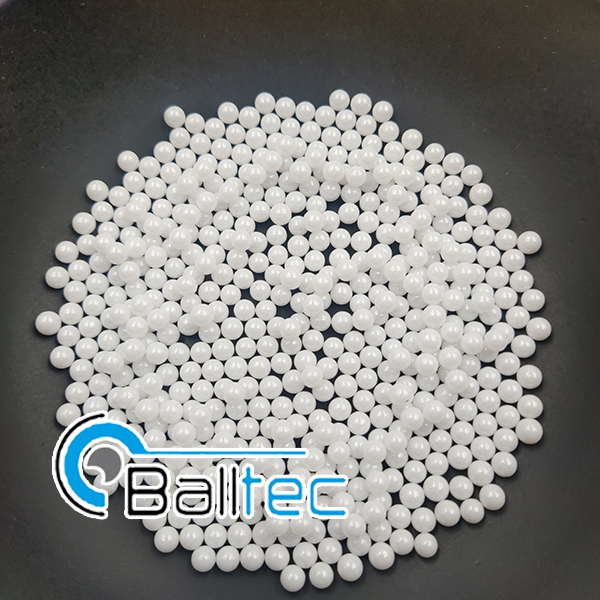
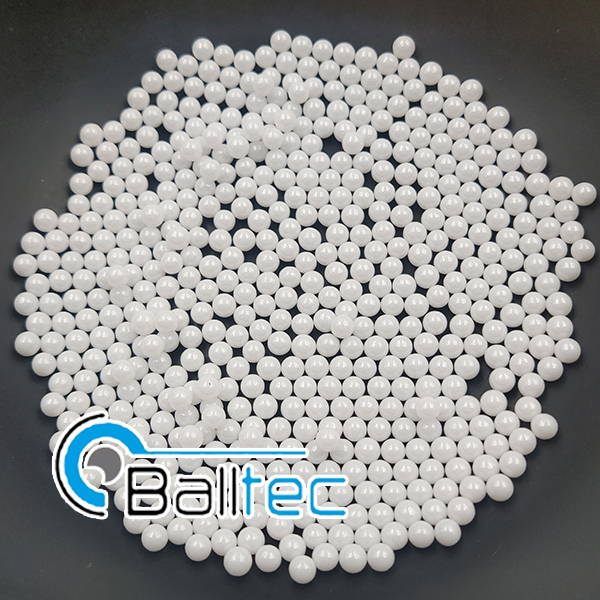
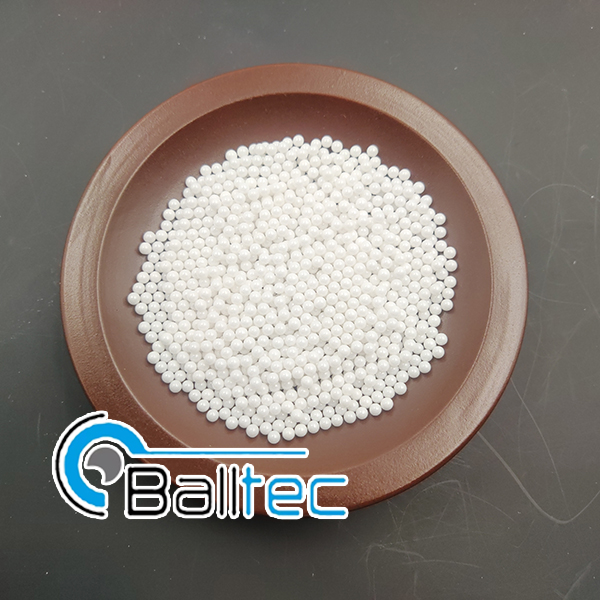
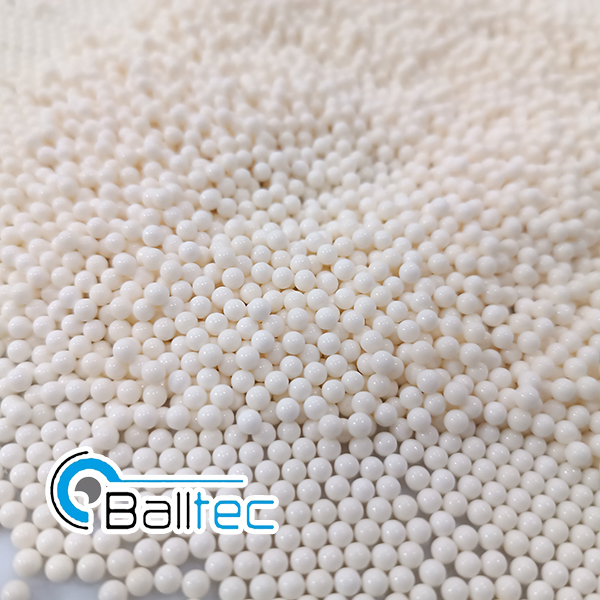
- Regular Wear Inspection.Conduct comprehensive inspections on the wear condition of zirconia beads every 1,000 operating hours, combining visual checks and particle size analyzer testing. Visual inspection focuses on bead surface wear, cracks, chipping and attached impurities; the particle size analyzer requires an accuracy of ≥0.1mm to detect bead size deviation. Replace beads promptly when size deviation exceeds 1mm or obvious cracks/chipping occur, to avoid uneven grinding and bead debris mixing into matcha powder, ensuring powder purity meets standards (impurity content ≤0.001%). Collect and dispose of damaged beads harmlessly to prevent environmental pollution.
- Standardized Bead Recycling and Cleaning. Thoroughly clean recycled beads following the process: clean water rinsing → food-grade neutral detergent wiping → secondary clean water rinsing → low-temperature drying. Use only food-grade neutral detergents (pH 7–8) to avoid chemical residue contamination. Control drying temperature below 60°C for 2–3 hours to prevent bead surface oxidation and structural deformation. Completely remove residual tea powder and impurities to avoid cross-contamination between batches and ensure consistent matcha flavor and color.
3.Precise Filling Ratio Control.Strictly regulate the bead filling ratio. An over-high ratio intensifies collisions and friction inside the milling chamber, causing abnormal temperature rise (over 40°C) that damages tea polyphenols and aromatic substances, resulting in dull color, deteriorated flavor or burnt odor. An over-low ratio reduces impact and shear force, lowering grinding efficiency and failing to reach the target particle size. In actual production, adjust the filling ratio flexibly to a precise range of 40%–50% based on tea blank status and equipment speed; reduce the ratio by 1–2 percentage points if abnormal temperature occurs, to guarantee matcha flavor and powder purity comply with production standards.