0102030405
Introduction to Zirconia Beads
2025-11-21
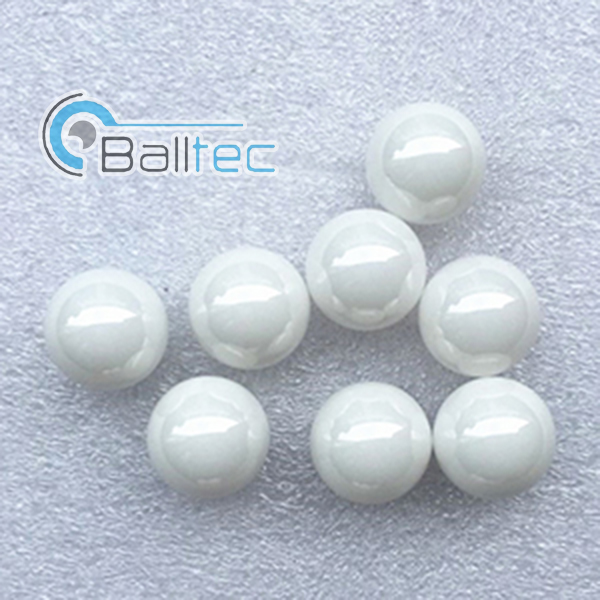
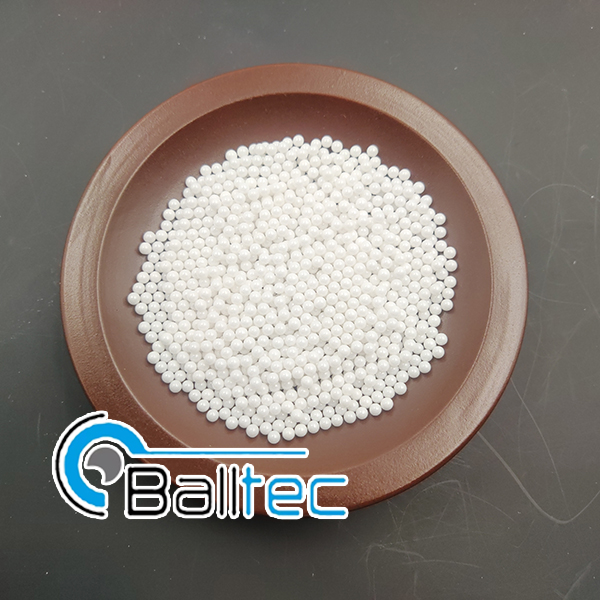
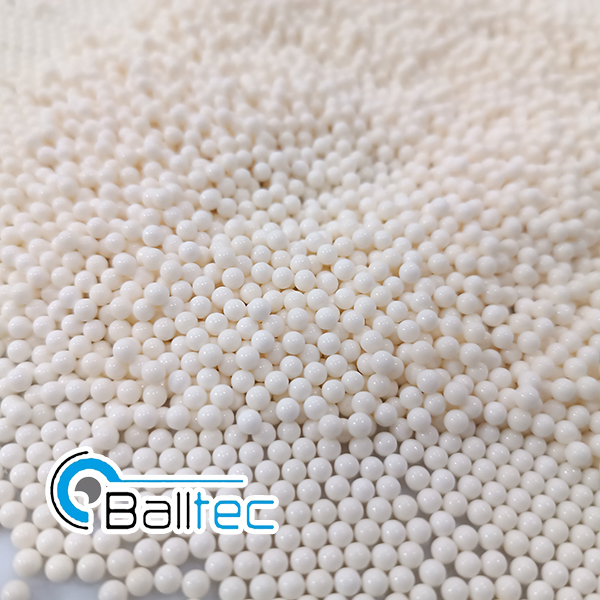
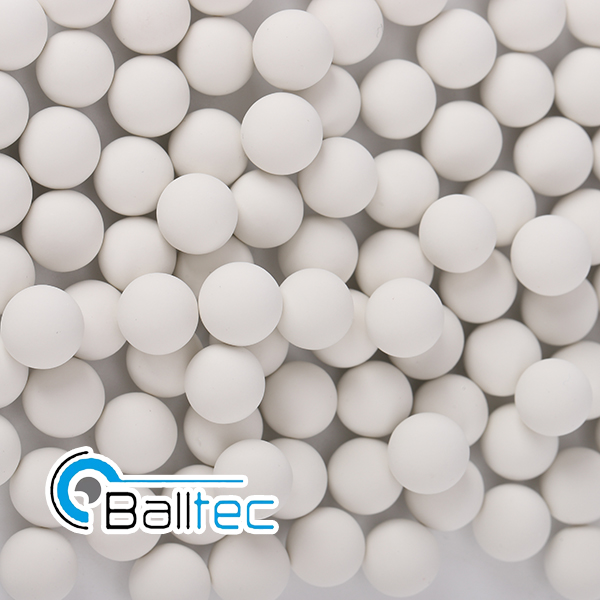
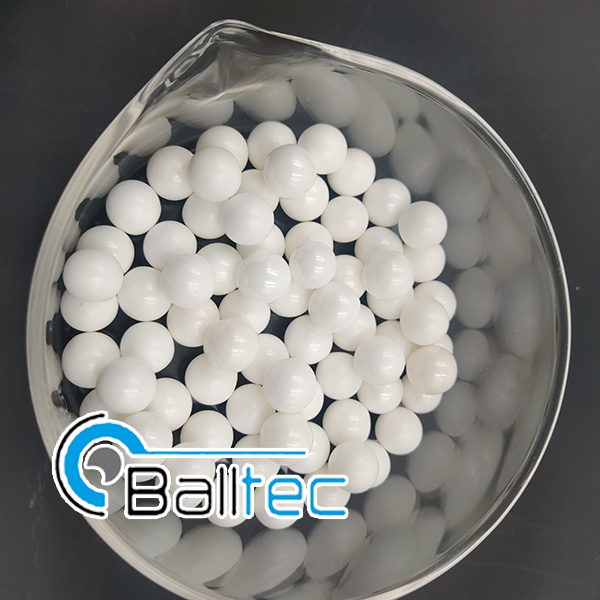
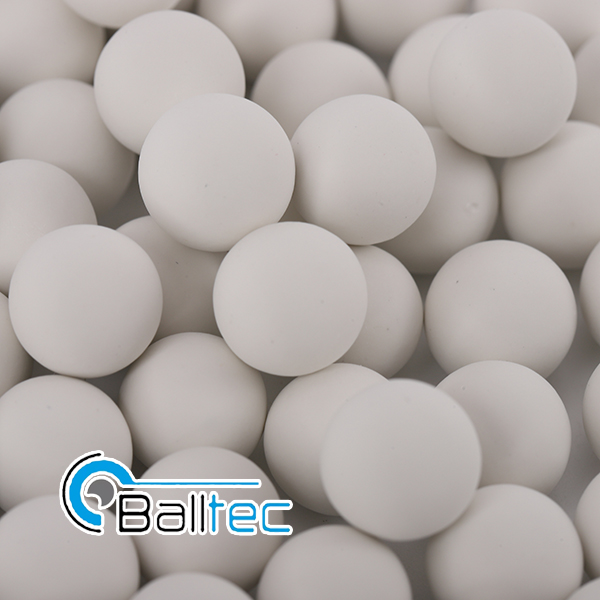
Zirconia Beads (Also Known as TZP Zirconia Beads) Zirconia beads, also referred to as TZP zirconia beads, are non-contaminating to materials and suitable for nano-scale grinding. They are applicable to various industries and have a wide range of uses. Based on the zirconia content, zirconia beads can be classified into the following categories:
- 65% Zirconia Beads (Also Known as Zircon Silicate Beads) After sintering, zirconium silicate enhances chemical and physical stability, improves the glaze hardness of zirconia beads, and strengthens their bonding performance with glazes. To achieve better whitening effects, strict requirements are imposed on the particle size distribution of ZrSiO₄ during production. For example, South Korea’s Sinoe controls the particle size distribution of zirconium silicate within a narrow range, resulting in an extremely white color.
- 80% Zirconia Beads (Also Known as Zirconia-Alumina Composite Beads) They are manufactured by titration, rolling, and sintering of zirconia powder and alumina powder, which improves their sphericity and density.
- 95% Zirconia Beads (Also Known as Yttria-Stabilized Zirconia Beads / Yttrium-Zirconium Beads) These beads feature high strength, hardness, and wear resistance, and are non-toxic. Suitable for high-shear sand mills, they are sintered with yttrium oxide as a stabilizer, offering low wear rate and high grinding efficiency. They are ideal for high-viscosity and wet grinding applications. For those with highcost-performance requirements, yttria-stabilized zirconia beads are a preferred choice—their long service life leads to lower overall cost input.
- Ceria-Stabilized Zirconia Beads (Also Known as Ceria-Zirconium Beads) Composed of 80% zirconia and 20% yttrium oxide, their grinding efficiency is 6 times that of glass beads and 2 times that of zirconium silicate beads. Their wear resistance is 26–46 times higher than glass beads and 5 times higher than zirconium silicate beads. They are suitable for grinding high-viscosity and high-hardness slurries.
- Industry Applications Corresponding to Different Zirconia Beads
- Ceria-Stabilized Zirconia Beads Suitable for grinding inks (screen printing, offset printing), non-ferrous metals, pharmaceuticals, food products, heavy calcium carbonate, and other materials.
- Yttria-Stabilized Zirconia Beads Ideal for paints, pharmaceuticals, coatings, dyes, cosmetics, color pastes, petroleum, and papermaking industries.
- Zircon Silicate Beads Widely used in the grinding of calcium carbonate, coatings, inks, titanium dioxide, dyes, zircon sand, kaolin, etc., as well as in metal surface treatment via shot peening and polishing. Especially in the coating and paint industries, they offer higher cost-performance compared to yttria-stabilized zirconia beads.