
Introduction to Silicon Nitride Ceramic Bearing Balls
Introduction to Silicon Nitride Ceramic Bearing Balls
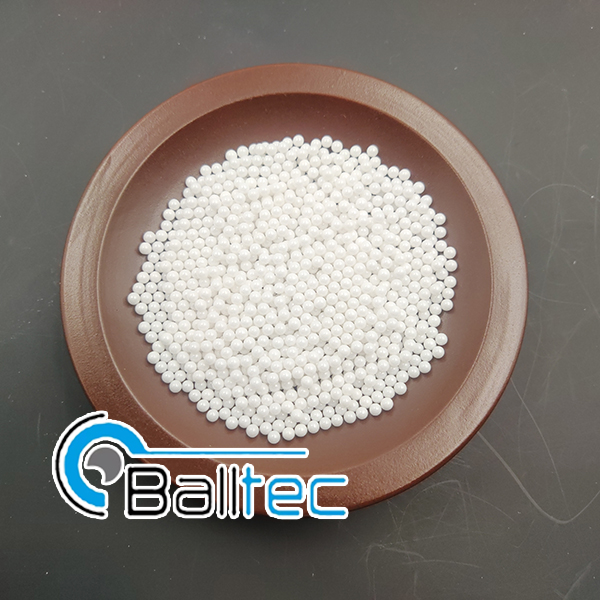
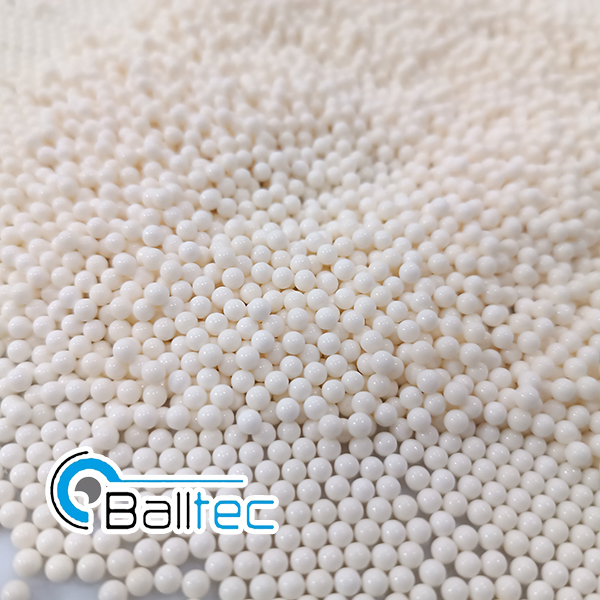
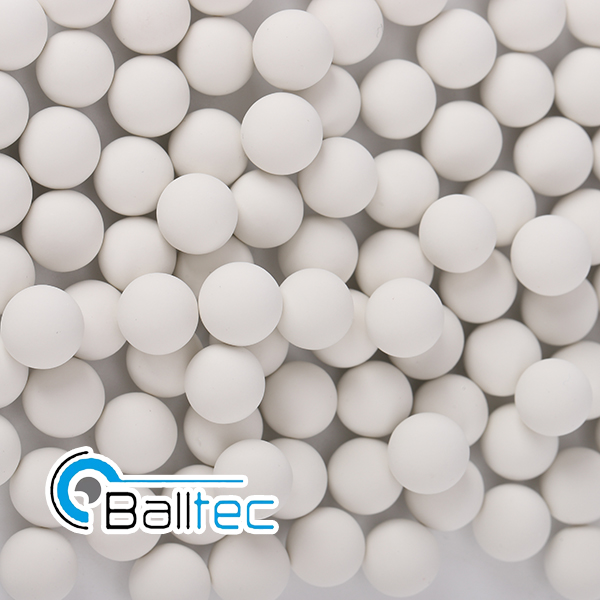
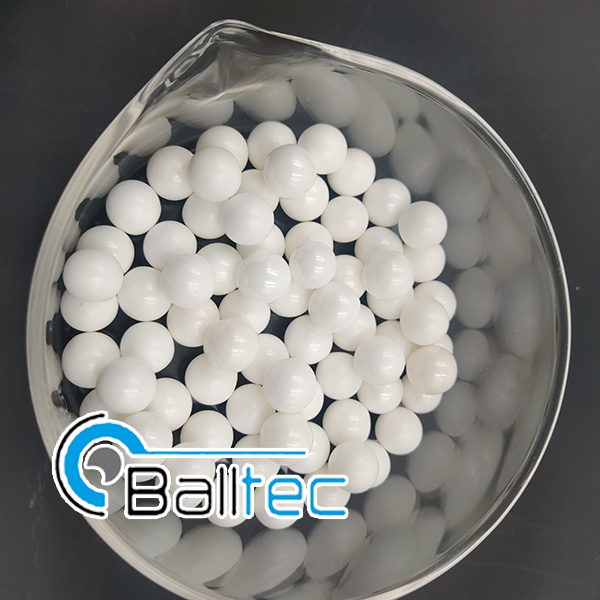
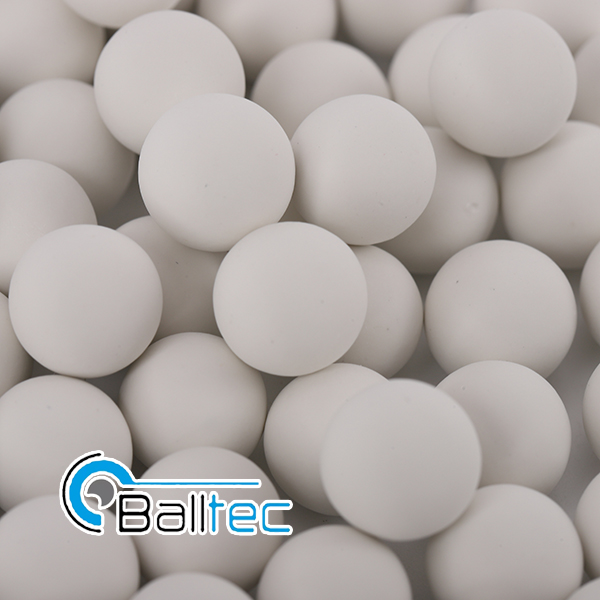
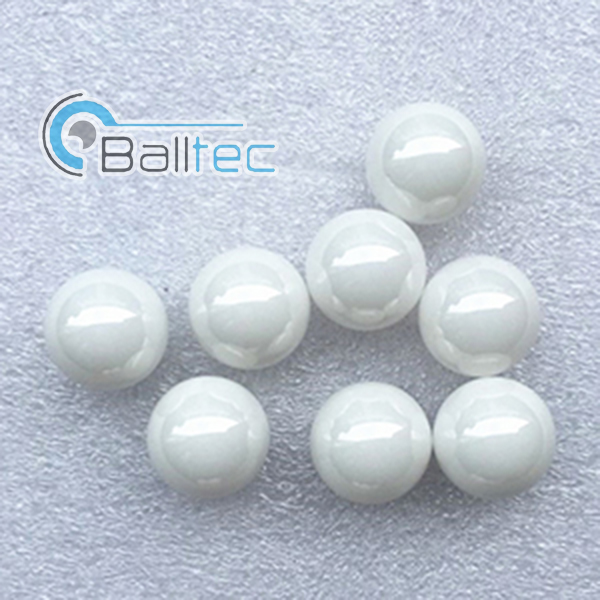
Silicon nitride ceramic bearing balls, made from high-purity silicon nitride (Si₃N₄) powder through processes like hot isostatic pressing (HIP) and precision grinding, are advanced structural ceramic components widely used in high-performance bearing systems. Unlike traditional steel bearing balls, their unique material composition endows them with exceptional properties that meet demanding industrial needs.
Core Properties
- Outstanding Mechanical Strength
Silicon nitride ceramic balls exhibit high flexural strength (≥800 MPa) and fracture toughness (≥6 MPa·m¹/²). This means they can withstand significant mechanical loads without deformation or cracking, even under cyclic stress conditions common in bearing operations.
- Superior Thermal Stability
They maintain stable performance across a wide temperature range: their mechanical properties remain intact from -200°C to 1,200°C, far exceeding steel balls (which lose strength above 300°C). Additionally, their low thermal expansion coefficient (3.2×10⁻⁶/°C) minimizes dimensional changes due to temperature fluctuations, ensuring bearing precision.
- Excellent Corrosion & Wear Resistance
Silicon nitride is chemically inert, resisting corrosion from acids, alkalis, and organic solvents—an advantage over steel balls that easily rust in humid or corrosive environments. Its high hardness (HV 1,500–1,800, equivalent to Mohs hardness 9) also reduces abrasive wear, leading to a longer service life.
- Low Density & High Electrical Insulation
With a density of ~3.2 g/cm³ (only 40% of steel’s 7.8 g/cm³), silicon nitride balls reduce the overall weight and inertial force of bearing systems, lowering energy consumption. They are also electrical insulators, avoiding galvanic corrosion in applications with electrical currents (e.g., motor bearings).
Key Advantages Over Traditional Steel Balls
- Extended Service Life: Their wear resistance and corrosion resistance double or triple the bearing lifespan compared to steel, reducing maintenance and replacement costs.
- Energy Efficiency: Lower density decreases rotational inertia, cutting power loss by 10–20% in high-speed operations (e.g., spindle bearings).
- High-Speed Adaptability: The combination of low inertia and thermal stability allows them to operate at speeds 2–3 times higher than steel balls without overheating.
- Maintenance-Free Operation: Resistance to rust and chemical degradation eliminates the need for frequent lubrication or cleaning in harsh environments.
Typical Applications
- Aerospace & Aviation
Used in aircraft engine bearings and helicopter transmission systems, where high temperature, high speed, and lightweight requirements are critical.
- High-Speed Machinery
Applied in CNC machine tool spindles, turbochargers, and centrifugal pumps, leveraging their high-speed stability and low energy loss.
- Corrosive Environments
Ideal for marine equipment (ship propeller bearings), chemical pumps, and semiconductor manufacturing tools, where resistance to saltwater or chemical agents is essential.
- Medical & Precision Equipment
Used in medical imaging devices (e.g., MRI machines) and laboratory instruments, thanks to their non-magnetic nature (unlike steel) and electrical insulation.
In summary, silicon nitride ceramic bearing balls represent a leap forward in bearing technology. Their unique blend of strength, durability, and adaptability makes them indispensable in industries where traditional steel components fall short, driving efficiency and reliability in high-performance systems.