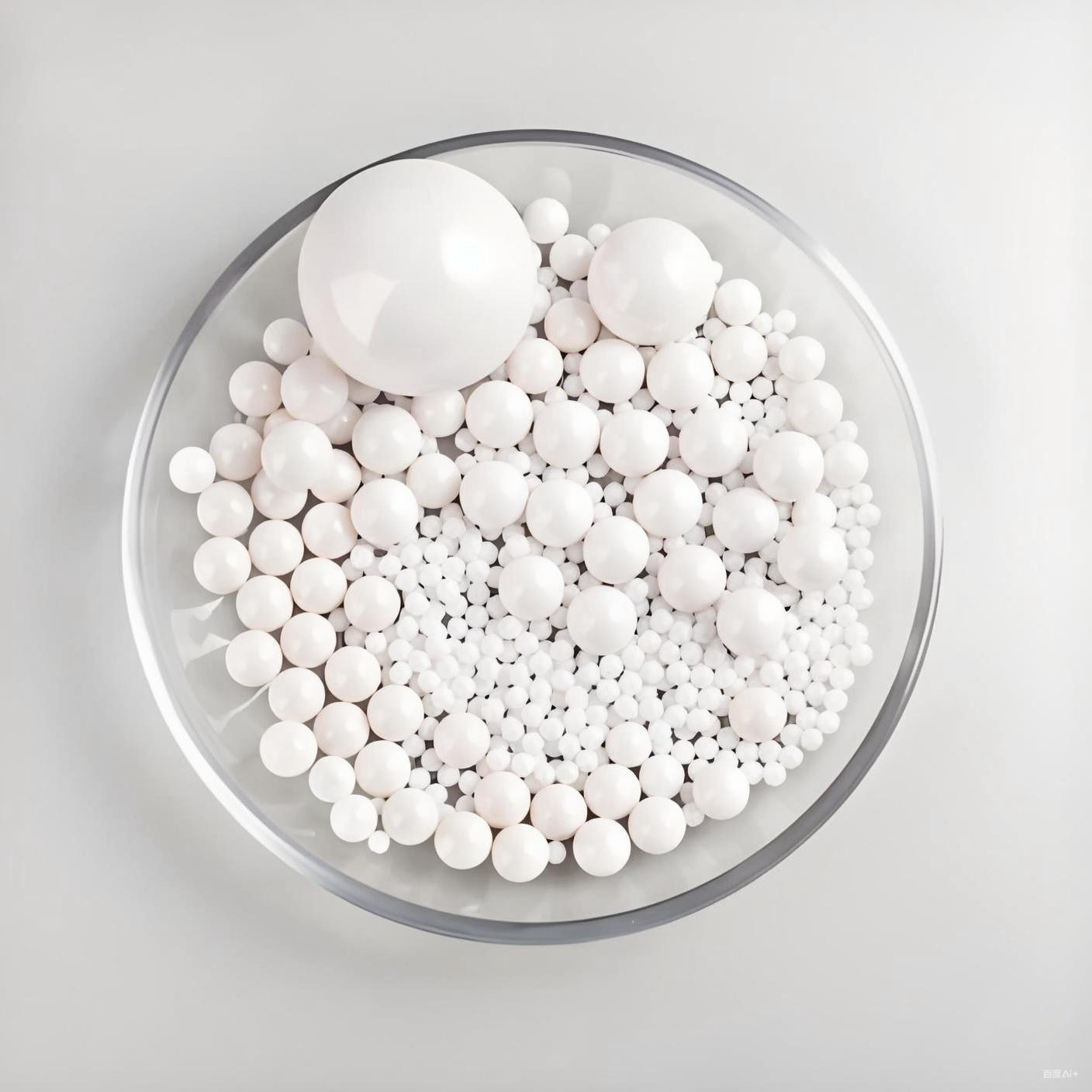
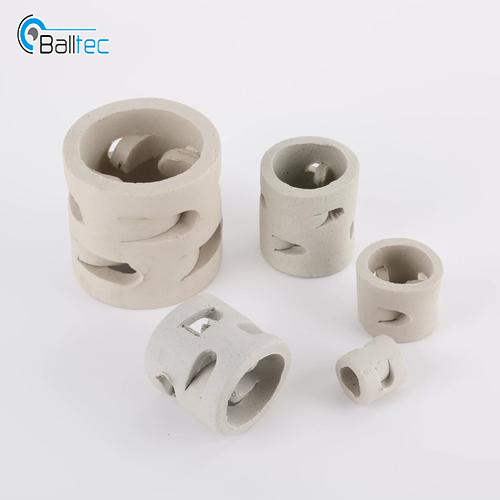
Inert alumina balls
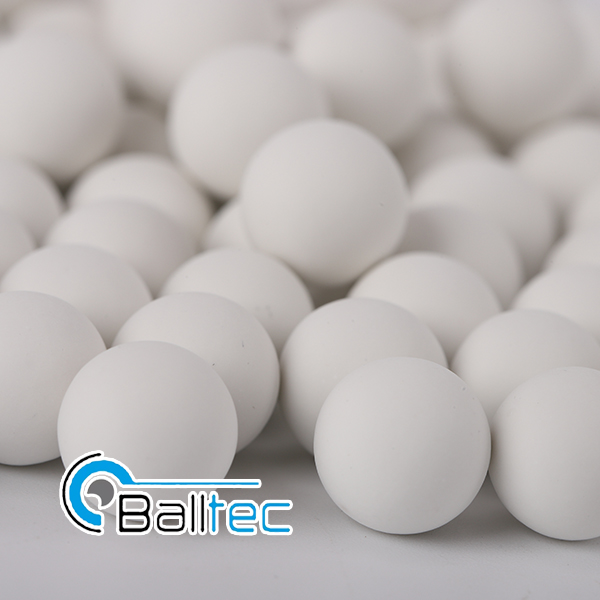
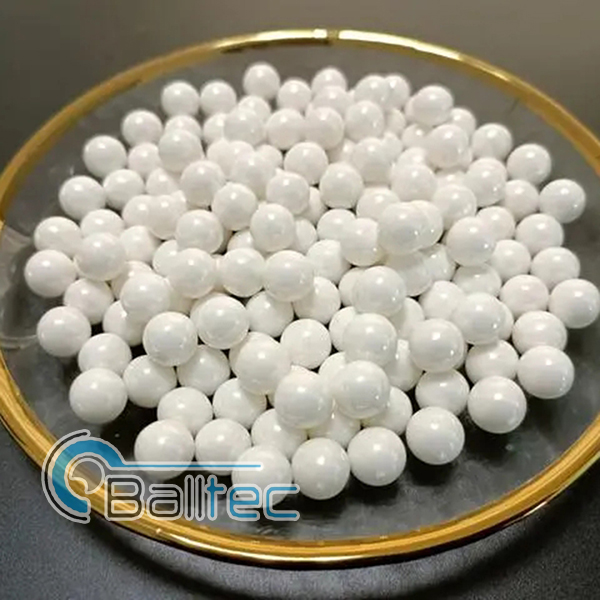
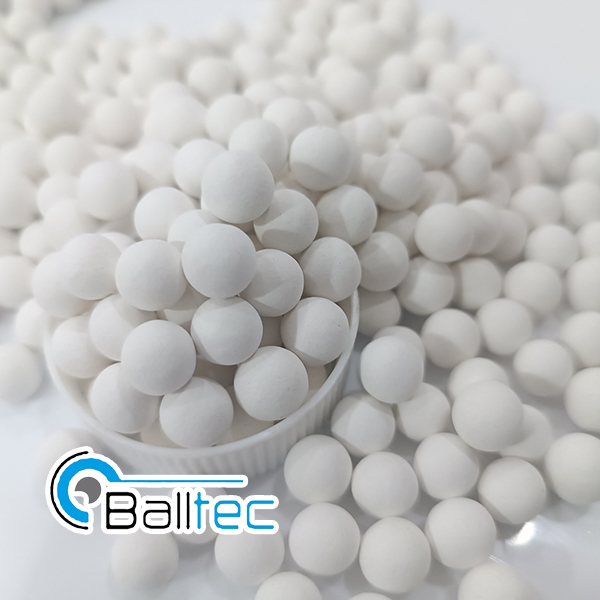
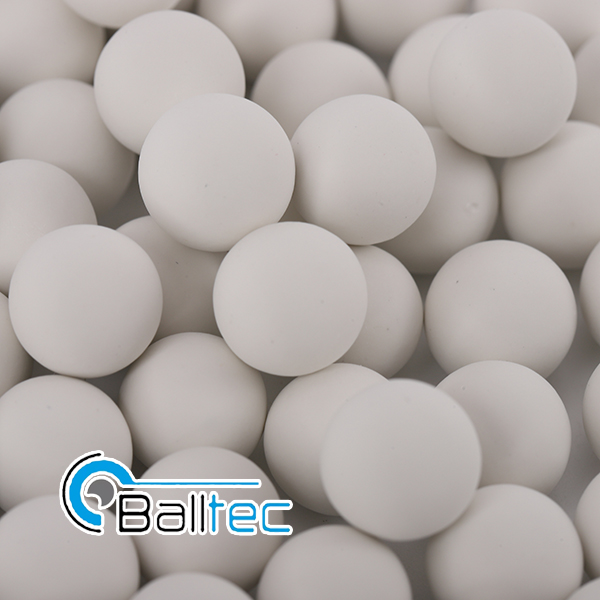
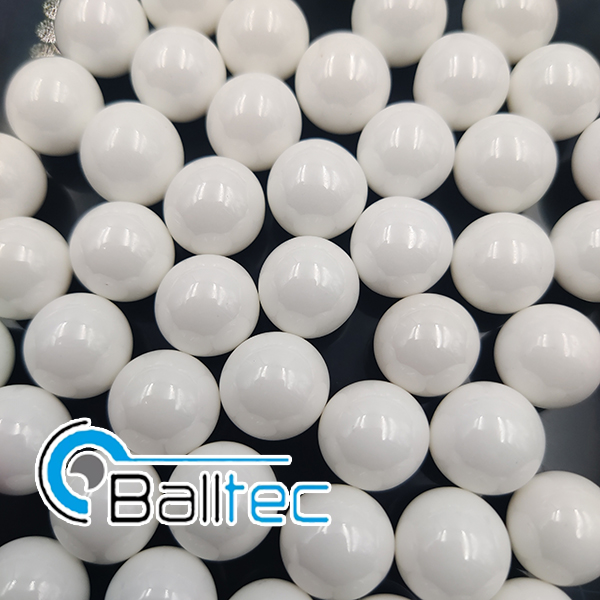
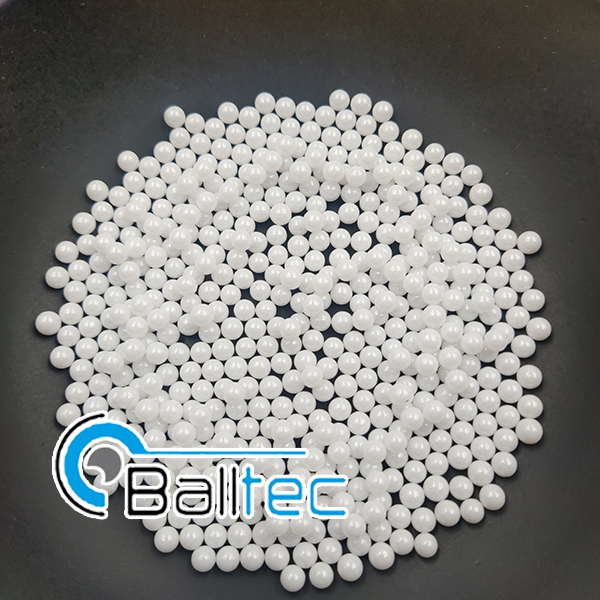
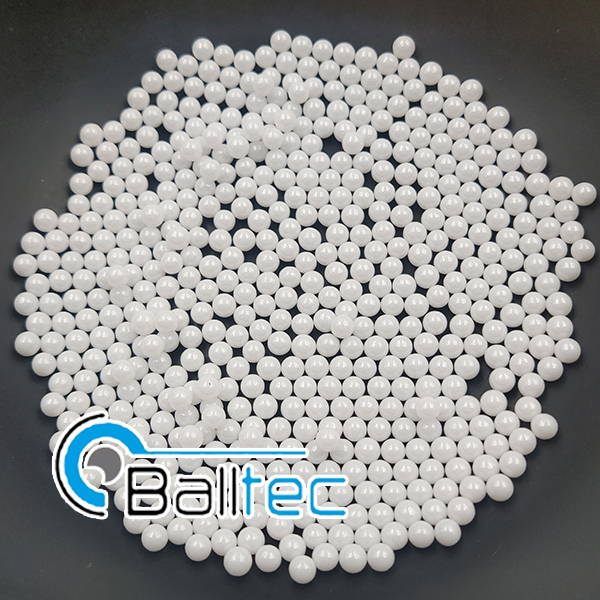
Inert alumina balls feature high strength, excellent chemical stability, low water absorption and good thermal stability. They are resistant to high temperature, high pressure, and corrosion by acids, alkalis, salts and various organic solvents, and can withstand temperature changes encountered in production processes. They are widely used in petroleum, chemical, fertilizer, natural gas, environmental protection and other industries as support and covering media for catalysts inside reactors. They can buffer the impact of liquid and gas entering the reactor on the catalyst, support and protect active catalysts with low mechanical strength, and improve the distribution of liquid and gas within the reactor.
Inert alumina balls are known by many names. According to their function, they may be called packing balls or support balls; according to their chemical properties, inert ceramic balls; and according to their chemical composition, alumina ceramic balls. Regardless of the name, they all utilize the characteristics of inert alumina balls: good strength, high hardness, excellent wear resistance, good thermal shock resistance, and low chemical reactivity. Inert alumina balls are manufactured using alumina powder as the main raw material and fired at high temperature.
Based on alumina content, alumina balls are available in various material grades, including feldspar type, feldspar-mullite type, mullite type, mullite-corundum type, and corundum type, as supplied by chemical packing ball providers. The formulation is adjusted according to customers’ different design requirements. Generally, high-alumina grades use industrial alumina, while low-alumina grades typically use chemical ceramic clay as the raw material.