How long does it take before the zirconium oxide beads need to be replaced?
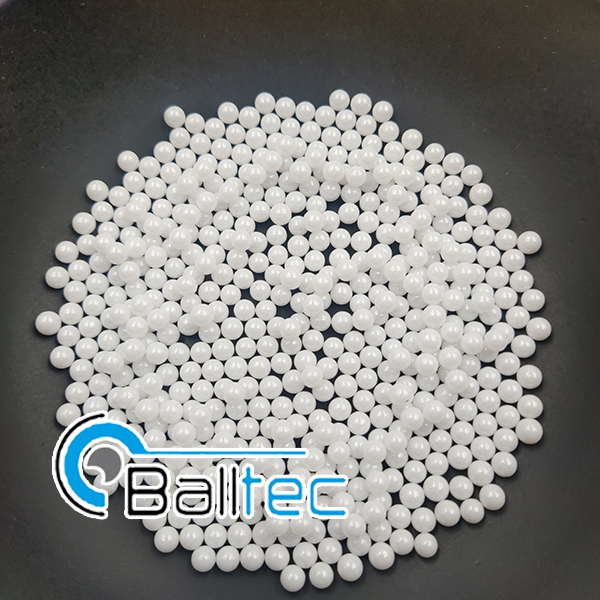
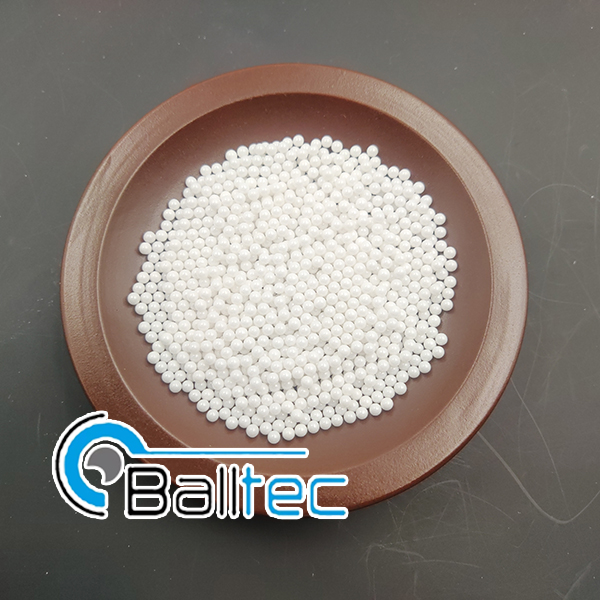
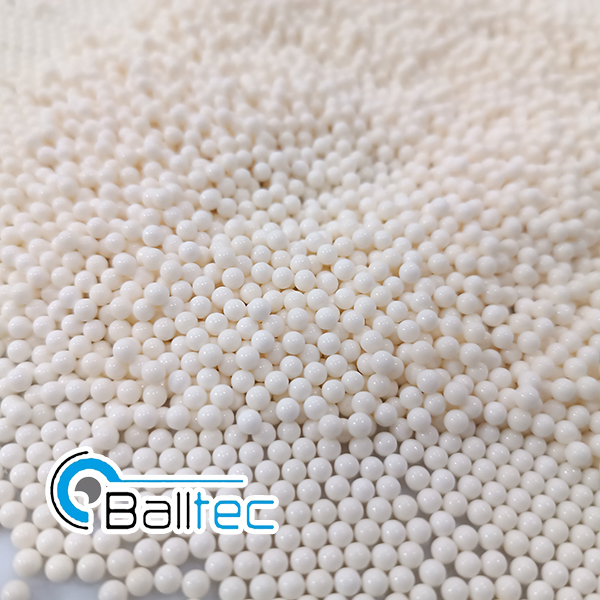
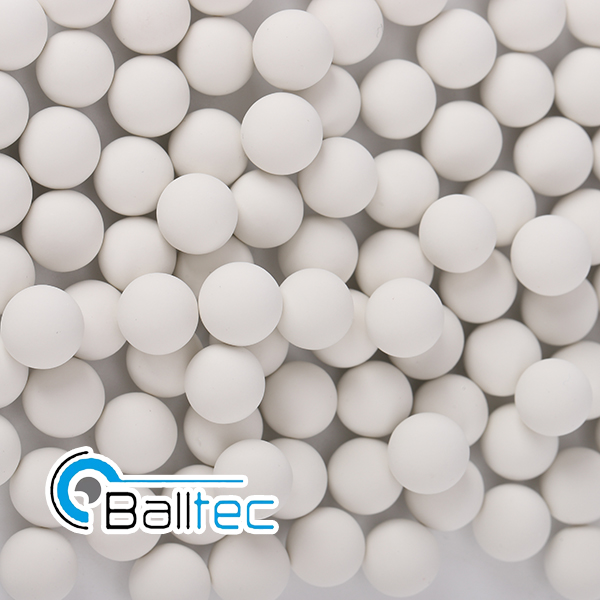
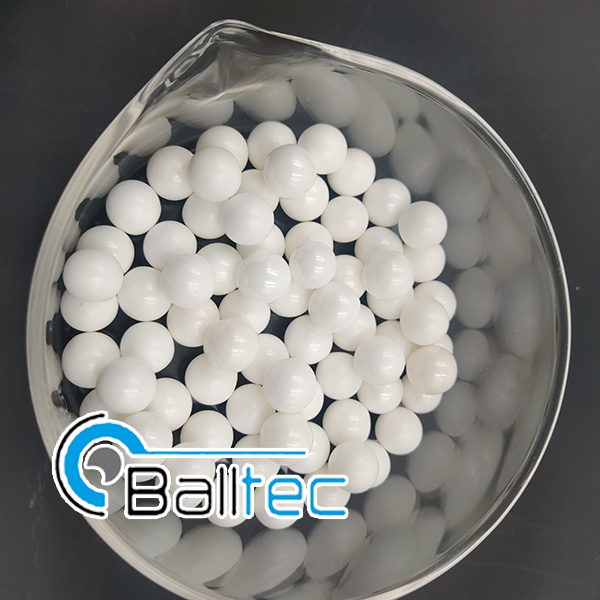
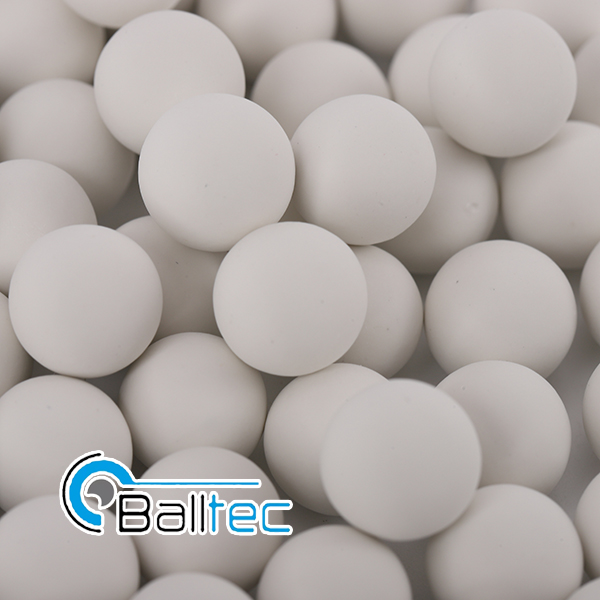
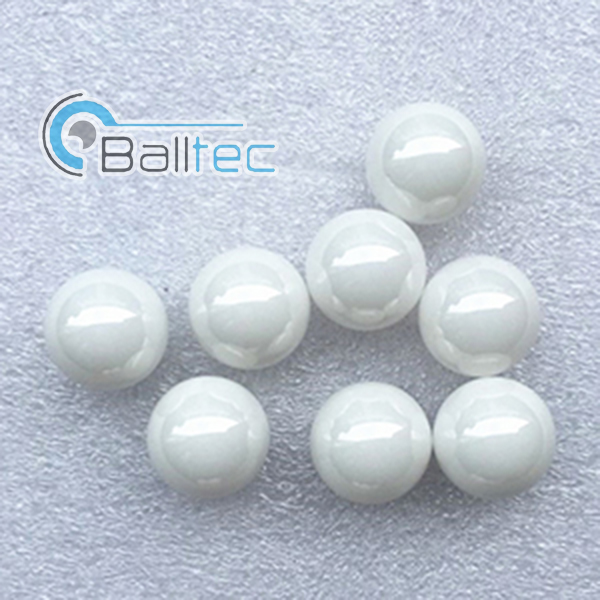
Zirconium oxide beads can be used in ball mills, sand mills, star-shaped ball mills, tissue grinding machines, and centrifugal polishing machines, and are used for grinding, dispersion, and mirror polishing functions. Zirconium oxide beads have good strength and are wear-resistant, but over time the beads will become smaller and smaller. In sand mills or stirred mills, or rotary drum ball mills, after initially adding new beads, it is necessary to record the amount added and the time required for the material to be ground finely. This allows for data accumulation. When the grinding efficiency becomes low in the later stage, it is necessary to replenish beads and replace them. At this time, the previous data records can be used to know how often zirconium beads need to be replenished.
Bead wear leads to a reduction in volume and mass, which significantly impacts product quality. The selection of bead size is determined by the gap between the stator and rotor separation rings. Beads should be replaced when their diameter approaches the gap to a certain extent. For example, in a disc-type sand mill using 1.8 mm beads with a separation ring gap of 0.5 mm, all beads must be replaced once the smallest beads shrink to less than 1.2 mm. Full replacement is also required if bead fragments are found at the discharge port. Beads with diameters still within the allowable range can be retained for continued use, with new beads added directly.
The wear rate of zirconia beads depends on the linear speed of the milling equipment and the operating conditions. For applications with minimal normal wear, it is recommended to conduct inspections every three months. This involves disassembling the equipment, removing the beads, sieving them, weighing them to measure wear loss, and then replenishing with new beads. Zirconia beads must be cleaned and pre-ground before use; pre-grinding should be performed with the same solvent as the material to be processed, after which the beads can be loaded into the equipment.
For tissue grinders, the quantity of zirconia beads used per batch is relatively small, and the equipment operates at high rotational speeds. Since the ground materials must be free from contamination, the beads are generally discarded and replaced after a single use.