Effects of Zirconia Grinding Ball Mass Ratio and Ball-to-Powder Ratio on Milling Performance
The planetary high-energy ball mill is designed for preparing ultrafine powders. Its working principle is that during operation, the grinding jars drive the grinding balls to generate a resultant force through revolution and rotation, which impacts and pulverizes the materials. Factors affecting the ball milling effect include milling time, milling speed, and solid content of the materials being milled. Among these, the ball-to-powder mass ratio and the mass ratio of grinding balls with different sizes are critical control parameters.
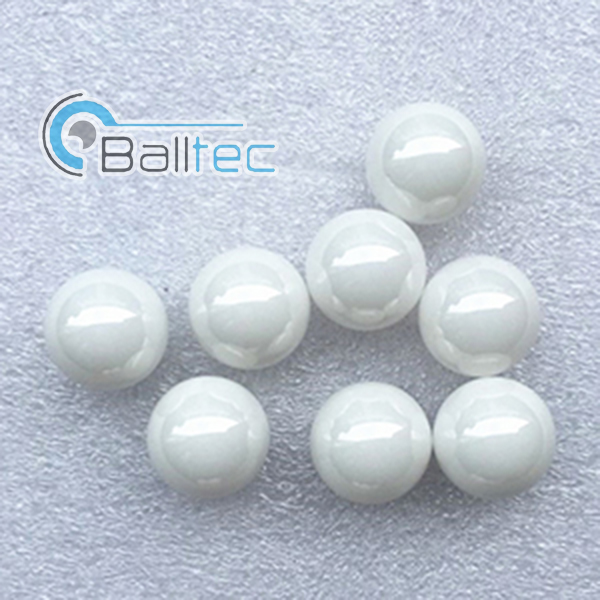
A higher ball-to-powder mass ratio means a larger quantity of zirconia grinding ball media, which increases the shear stress and impact frequency exerted on the materials, thereby ensuring a superior pulverization effect. However, a continuous increase in the ball-to-powder mass ratio will intensify the mutual wear between zirconia grinding balls. This reduces the interaction between the balls and the materials to a certain extent, leading to a decrease in the content of fine particles, non-uniform grinding, a higher proportion of large particles, and an associated increase in energy consumption. Meanwhile, a higher ball-to-powder mass ratio can also cause an increase in impurities in the materials. Conversely, an excessively low ball-to-powder mass ratio results in low particle crushing efficiency. Therefore, there exists an optimal range for the ball-to-powder mass ratio.
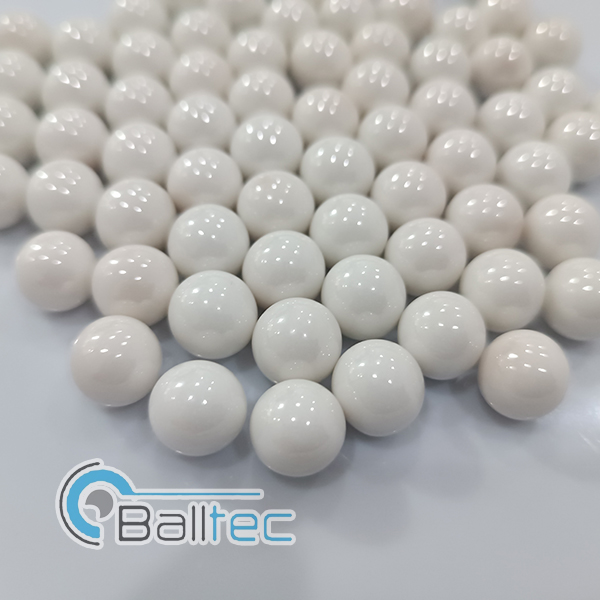
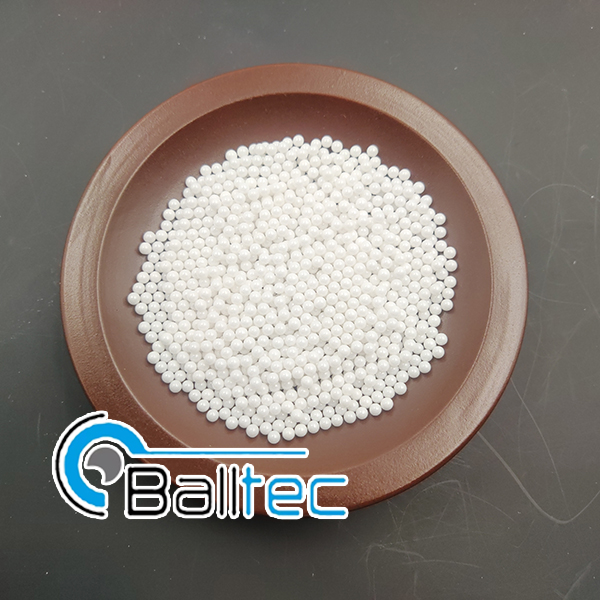
When other parameters remain constant, the mass ratio of grinding balls with different sizes also has an optimal range. From the perspective of zirconia grinding ball sizes, larger balls deliver better impact effects, which are conducive to pulverizing coarse and hard raw material particles. However, they have a smaller rolling area, which is unfavorable for grinding fine particles. These two effects restrict each other, thus a combination of large and small balls is recommended. Only when the ball-to-powder mass ratio and the mass ratio of balls with different sizes are properly configured can the optimal impact and grinding effect of the balls be achieved, thereby improving the efficiency of the ball mill and maximizing the output.
There is no fixed value for the ball-to-powder ratio and the size of grinding beads, as they are affected by numerous factors, including the type of ball milling equipment, the initial particle size of the materials, the target grinding fineness, the specific gravity of the grinding beads, and their size specifications.