
Do Zirconia Balls Break? A Scientific Perspective
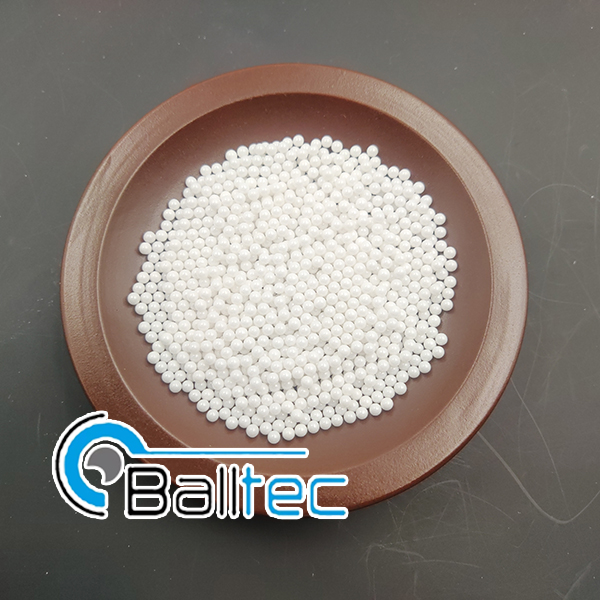
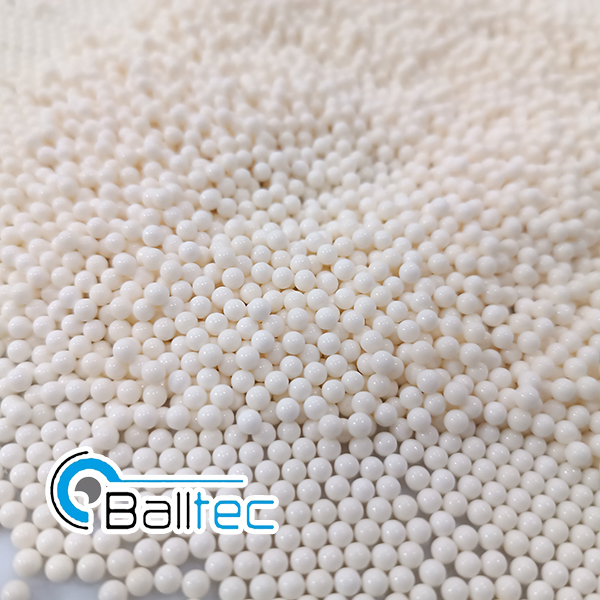
Zirconia balls, renowned for their exceptional mechanical strength and toughness, are widely used in grinding, polishing, and industrial processing—but a common question persists: Can they break? The short answer is yes, but only under specific conditions—their fracture resistance is far superior to most ceramics, and understanding the factors that trigger breakage helps maximize their service life.
Why Zirconia Balls Are Less Prone to Breaking
Zirconia (ZrO₂) owes its high fracture resistance to two key material properties, especially in yttria-stabilized zirconia (YSZ)—the most common grade for industrial balls:
- Transformation Toughening: When stressed, the tetragonal zirconia phase transforms into a monoclinic structure, expanding slightly to “pin” cracks and prevent them from propagating. This mechanism gives YSZ a fracture toughness of 6–10 MPa·m¹/², 3–5 times higher than alumina (2–3 MPa·m¹/²).
- High Flexural Strength: YSZ zirconia balls typically have a flexural strength of 800–1200 MPa, enabling them to withstand repeated mechanical impacts (e.g., in ball mills) without cracking—unlike brittle ceramics like silica or low-purity alumina.
When Do Zirconia Balls Break?
Fracture occurs only when the applied stress exceeds their intrinsic strength, often due to avoidable operational or material factors:
- Extreme Thermal Shock: Rapid temperature changes (e.g., quenching from 800℃ to room temperature) can create internal thermal stress. While YSZ resists thermal shock better than most ceramics (ΔT resistance ≥400℃), sudden temperature spikes beyond its tolerance (e.g., in overheated furnaces) may cause cracking.
- Excessive Impact Loads: Subjecting small-diameter zirconia balls (≤5mm) to heavy loads (e.g., grinding large, hard ore chunks in a ball mill) or high-speed collisions (e.g., centrifugal polishers running above 3000 RPM) can exceed their compressive strength (≥2000 MPa), leading to fragmentation.
- Material Defects: Low-quality zirconia balls with internal pores, impurities (e.g., silica inclusions), or uneven sintering (common in uncertified products) act as “weak points.” These defects concentrate stress, causing premature breakage even under normal use.
- Misuse in Incompatible Processes: Using zirconia balls designed for polishing (smooth surface, low abrasion) in aggressive deburring of cast iron (high-impact, coarse grinding) bypasses their intended application, increasing fracture risk.
How to Prevent Zirconia Ball Breakage
Practical measures can minimize fracture and extend service life:
- Choose the Right Grade: Opt for 3mol% or 8mol% YSZ (yttria-stabilized zirconia) for general use—avoid “pure zirconia” (unstabilized), which is brittle and prone to thermal cracking.
- Match Loads to Ball Size: Use larger balls (10–20mm) for heavy grinding tasks (e.g., ore processing) and smaller balls (1–5mm) for precision polishing—never overload small balls with excessive weight.
- Control Thermal Conditions: Avoid rapid heating/cooling cycles. In high-temperature applications (e.g., furnace insulation), preheat zirconia balls gradually to match the environment’s temperature.
- Source from Reputable Suppliers: Certified zirconia balls (compliant with ASTM C796 or ISO 8486) undergo strict quality control to eliminate pores and impurities, reducing defect-related breakage.
Conclusion
Zirconia balls are not “unbreakable,” but their breakage is rare under proper use. Their transformation toughening and high strength make them far more durable than conventional ceramics—fracture usually stems from misuse, thermal shock, or poor material quality, not inherent brittleness. By selecting the right grade, matching operational conditions to their capabilities, and prioritizing quality, users can leverage zirconia balls’ performance while minimizing breakage risk.