0102030405
Comparison of zirconia ceramic balls and silicon nitride balls
2026-01-16
Both zirconia ceramic balls and silicon nitride ceramic balls fall into the category of ceramic balls. They can be used as grinding media, and those with high precision can also serve as valve balls and bearing balls, sharing overlapping applications. However, significant differences exist between them in terms of composition and properties.
- Comparison of Physical Properties Zirconia ceramic balls exhibit excellent wear resistance and corrosion resistance. Silicon nitride ceramic balls demonstrate equally outstanding performance in these aspects, while also excelling in machining precision. For this reason, in the field of high-precision machinery applications such as ultra-precision bearings, ceramic balls have begun to gain popularity, complementing the widely used steel balls. Compared with bearing steel balls, ceramic balls offer corrosion and rust resistance, with machining precision even surpassing that of steel balls. Meanwhile, they can withstand high-temperature environments. As a result, ceramic balls are increasingly adopted in bearings and other ultra-precision mechanical fields including guide rails and linear sliding components, and are showing a trend of replacing steel balls.
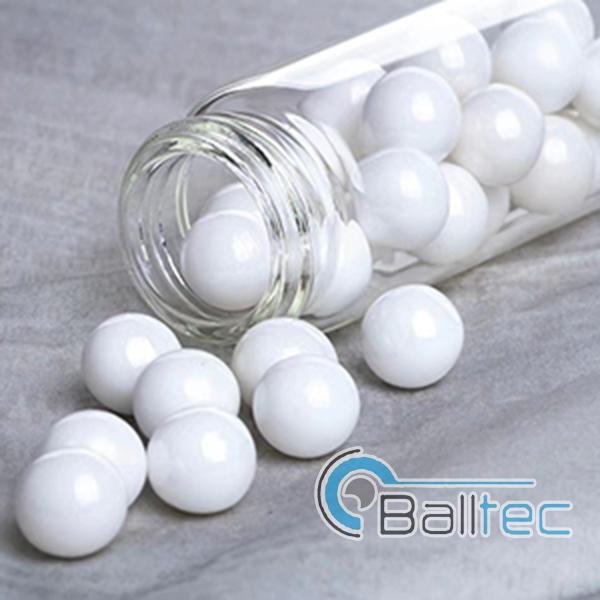
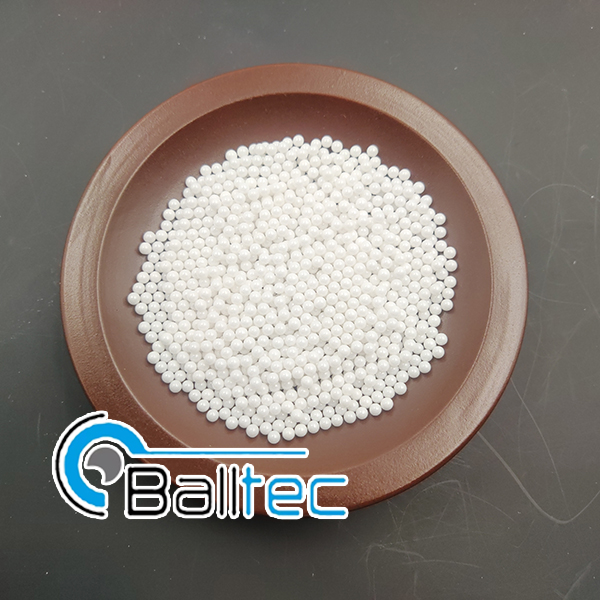
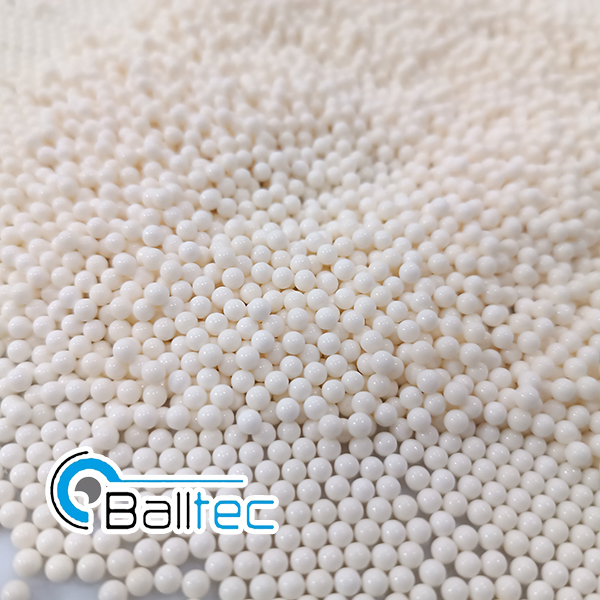
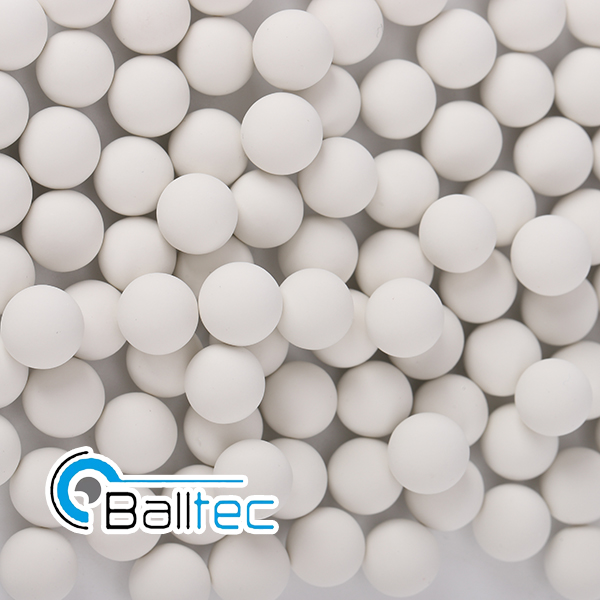
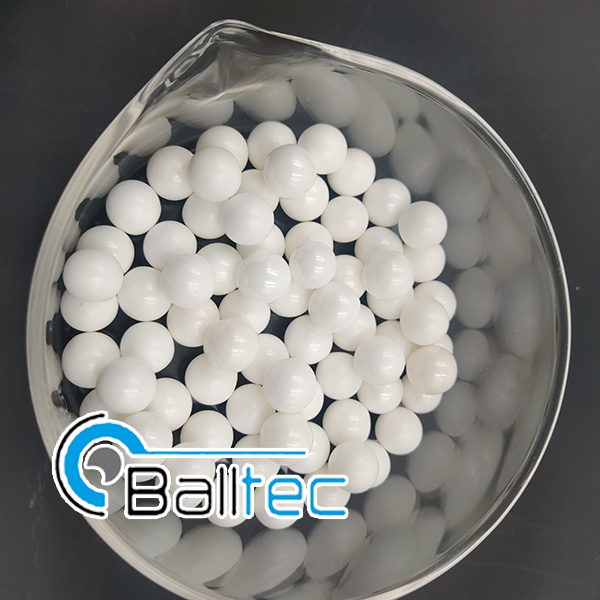
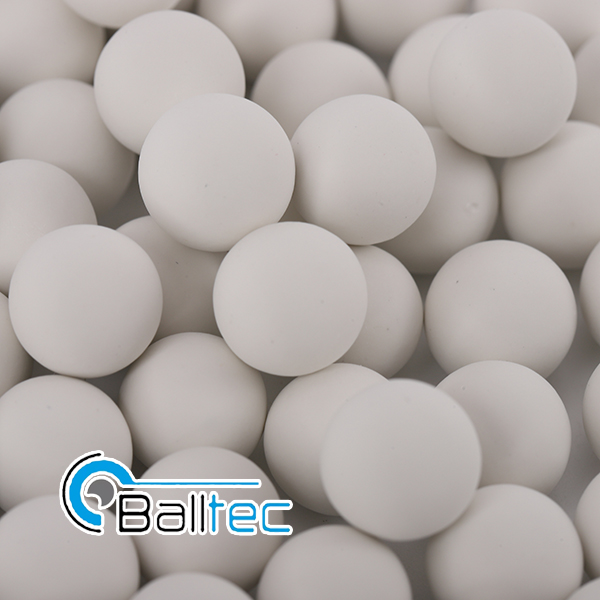
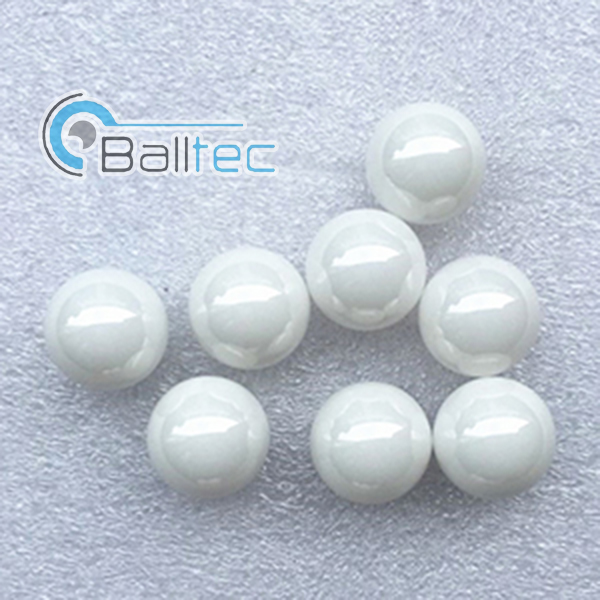
- Color Over 80% of zirconia ceramic balls are white, which is their natural color. However, when zirconia ceramic balls appear pale yellow or gray, it is due to trace impurities present in the zirconia material. Zirconia ceramic balls boast advantages such as high toughness, high flexural strength, excellent wear resistance, superior thermal insulation performance, and a thermal expansion coefficient close to that of steel balls. By contrast, silicon nitride ceramic balls are predominantly carbon black. They possess exceptional high-temperature resistance, retaining their strength even at temperatures up to 1200°C without degradation, and will not melt into liquid when heated. They are among the hardest materials in the world.
-
Application Fields: Semiconductors, LCD manufacturing equipment, electroplating equipment, synthetic fiber manufacturing equipment, optical film equipment, various heat treatment furnaces, vacuum equipment, etc.; they can also be applied in composite bearings, cold working tools, various guide wheels, various valves, vacuum equipment, and a wide range of harsh environments.