
Application of Zirconia Beads in Tissue Grinding
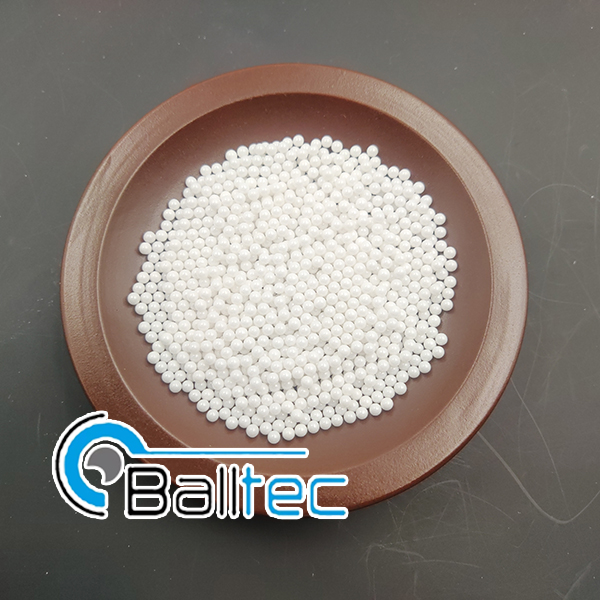
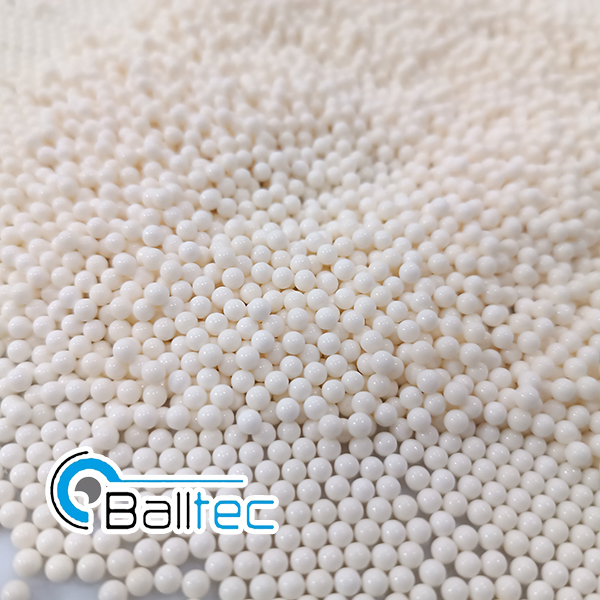
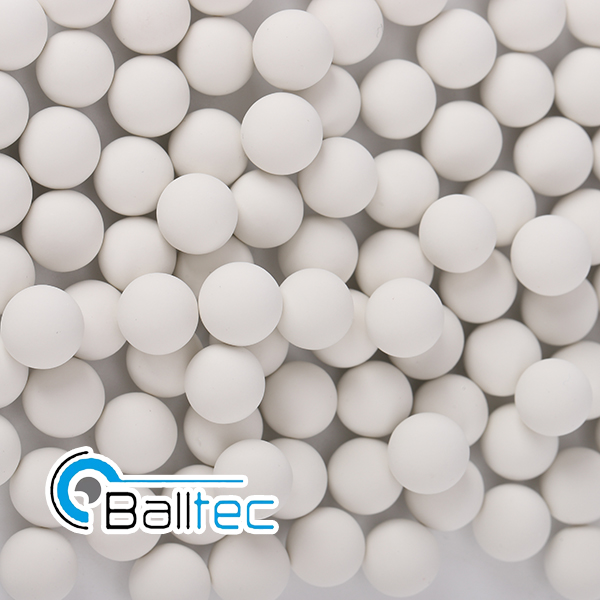
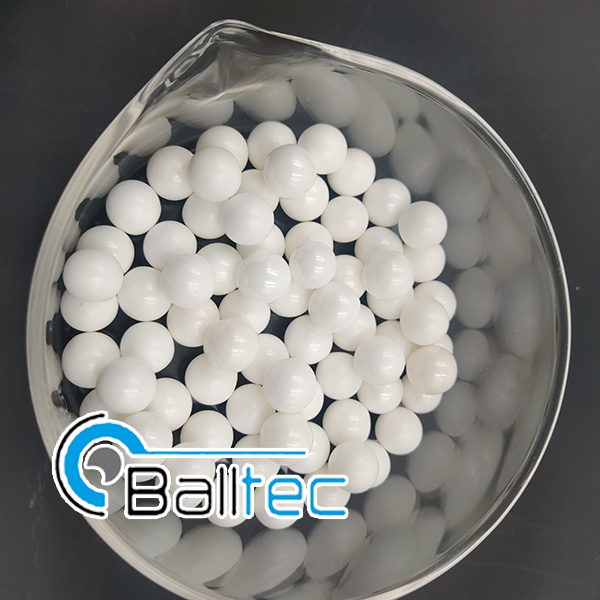
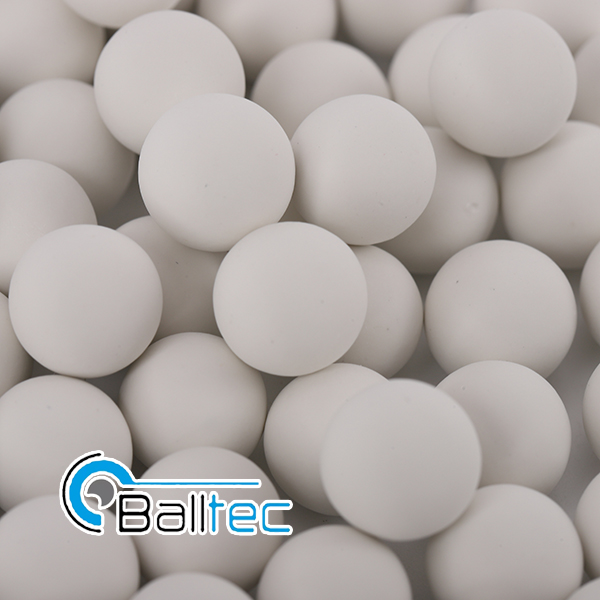
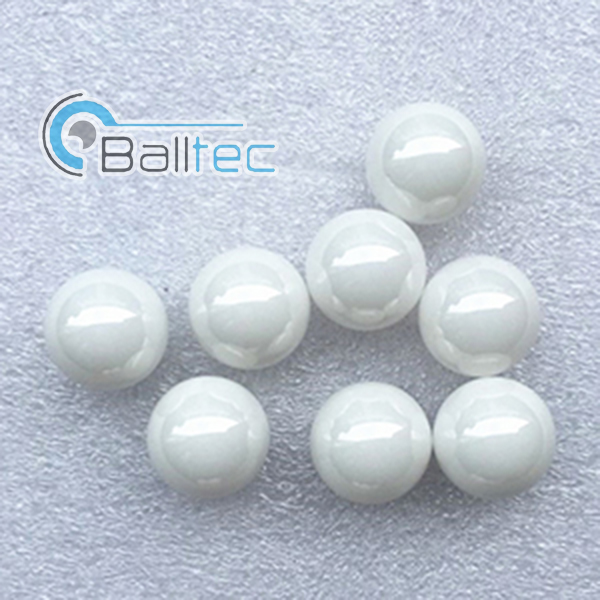
Zirconia beads, particularly those composed of 95% zirconium dioxide (ZrO₂) with yttria stabilization, have emerged as a critical tool in tissue grinding applications. Their unique combination of mechanical properties, chemical inertness, and biocompatibility makes them indispensable in laboratories and biotechnological processes requiring efficient and contamination-free tissue disruption. This article explores their characteristics, working mechanisms, and specific applications in tissue grinding.
Key Properties of Zirconia Beads Enabling Tissue Grinding
Zirconia beads owe their effectiveness in tissue grinding to a suite of tailored properties:
High Hardness and Wear Resistance: With a Mohs hardness of 8.5 and a Vickers hardness exceeding 1200 HV, zirconia beads outperform traditional grinding media like glass or stainless steel beads. This hardness ensures they can efficiently break down tough tissue structures, including fibrous connective tissues and rigid cell walls, without significant wear or particle shedding.
Optimal Density and Elasticity: Their high density (6.0–6.1 g/cm³) generates substantial kinetic energy during agitation, facilitating rapid tissue homogenization. Meanwhile, moderate elasticity (Young’s modulus ~200 GPa) minimizes bead-to-bead fragmentation, reducing the risk of sample contamination from bead debris.
Chemical Inertness: Zirconia beads are resistant to acids, bases, and organic solvents commonly used in tissue processing (e.g., ethanol, formaldehyde). This inertness prevents chemical interactions between the beads and biological samples, preserving the integrity of biomolecules such as DNA, RNA, proteins, and lipids.
Biocompatibility: Unlike metal beads that may leach ions (e.g., iron, nickel) into samples, zirconia beads are non-toxic and biocompatible. This is critical for downstream applications like PCR, cell culture, and protein analysis, where even trace contaminants can invalidate results.
Mechanism of Action in Tissue Grinding
In tissue grinding, zirconia beads function through a combination of mechanical forces:
Impact Disruption: When agitated in a grinding tube (via devices like bead mills or homogenizers), the high-density zirconia beads collide with tissue samples at high velocities. This impact shatters cell membranes, disrupts extracellular matrices, and reduces tissue into subcellular fragments.
Shearing and Abrasion: The irregular motion of beads (rotational, oscillatory, or reciprocal) creates shearing forces between beads and tissue, as well as between adjacent beads. This action further breaks down large tissue clumps into uniform homogenates, ensuring consistent sample preparation.
Temperature Control Compatibility: Zirconia’s low thermal conductivity minimizes heat generation during prolonged grinding, protecting heat-sensitive biomolecules. This is particularly advantageous when processing samples requiring cold-chain preservation (e.g., RNA extraction, where RNases are activated by heat).
Specific Applications in Tissue Grinding
Zirconia beads find widespread use across various fields requiring precise tissue disruption:
Molecular Biology Research: In DNA/RNA extraction, zirconia beads efficiently lyse cells from animal tissues (e.g., liver, muscle), plant materials (e.g., leaves, seeds), and microbial cultures. Their ability to produce fine homogenates enhances nucleic acid yield and purity, critical for downstream techniques like qPCR and sequencing.
Clinical Diagnostics: For diagnostic assays, zirconia beads enable standardized grinding of biopsy samples, ensuring uniform release of biomarkers (e.g., proteins, metabolites). This consistency is vital for reliable disease detection and prognosis.
Pharmaceutical Development: In drug discovery, tissue grinding with zirconia beads facilitates the extraction of active compounds from natural tissues (e.g., plant extracts) or the preparation of tissue-based drug delivery systems. Their inertness ensures no chemical interference with pharmaceutical ingredients.
Microbiology and Environmental Testing: When processing environmental samples (e.g., soil, water sediments) or complex microbial biofilms, zirconia beads effectively disrupt tough microbial cell walls, allowing accurate quantification and identification of pathogens or beneficial microbes.
Practical Considerations for Use
To maximize efficiency and avoid sample contamination, several parameters should be optimized when using zirconia beads for tissue grinding:
Bead Size Selection: Beads ranging from 0.1 mm to 5 mm are available, with smaller beads (0.5–1 mm) suited for soft tissues and larger beads (2–5 mm) for fibrous or hard tissues (e.g., bone, woody plant material).
Bead-to-Sample Ratio: A typical ratio of 1:1 to 3:1 (bead volume to tissue volume) ensures sufficient contact and impact force without overcrowding the grinding tube.
Grinding Time and Speed: Variables like agitation speed (1000–3000 rpm) and duration (30 seconds to 5 minutes) depend on tissue type; optimization prevents over-grinding (which may damage biomolecules) or under-grinding (leading to incomplete disruption).
Cleaning and Sterilization: Zirconia beads are autoclavable (at 121°C for 20 minutes) and compatible with ultrasonic cleaning, ensuring elimination of cross-contamination between samples.
Conclusion
Zirconia beads have revolutionized tissue grinding by offering a balance of efficiency, precision, and biocompatibility. Their mechanical robustness, chemical inertness, and versatility make them ideal for applications ranging from basic research to clinical diagnostics. As demand for high-quality, contamination-free tissue homogenates grows, zirconia beads will continue to play a pivotal role in advancing biological and medical sciences.