Why Choose 95 Percent Zirconia Beads for Your Next Project?
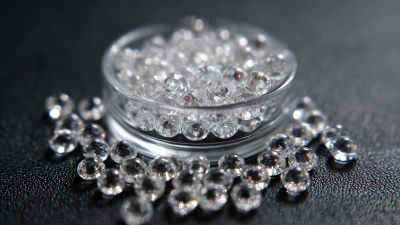
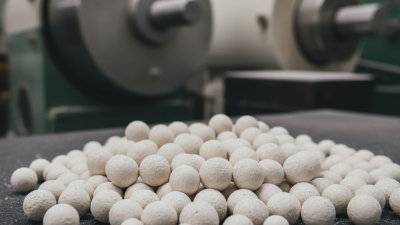
When considering materials for your next project, the choice of zirconia beads becomes crucial. Specifically, 95% zirconia beads offer distinct advantages that enhance various applications. These beads are known for their exceptional hardness and durability, making them ideal for grinding and milling processes. Businesses in ceramics, paint, and cosmetics often prefer this material due to its efficiency and effectiveness.
The unique properties of 95% zirconia beads ensure minimal contamination and higher quality results. Their density allows for better energy transfer during milling, which improves product consistency. Many professionals express the need for innovative solutions and might overlook these beads. Reflecting on their attributes is essential for maximizing performance in producing finely milled materials.
While the initial investment may seem high, the long-term benefits outweigh costs. The reliability and efficiency of 95% zirconia beads often lead to reduced operational downtime. As industries evolve, experimenting with these beads might reveal untapped potential. Understanding their applications and limitations fosters a more informed choice, guiding projects toward success.
Key Properties of 95 Percent Zirconia Beads and Their Benefits
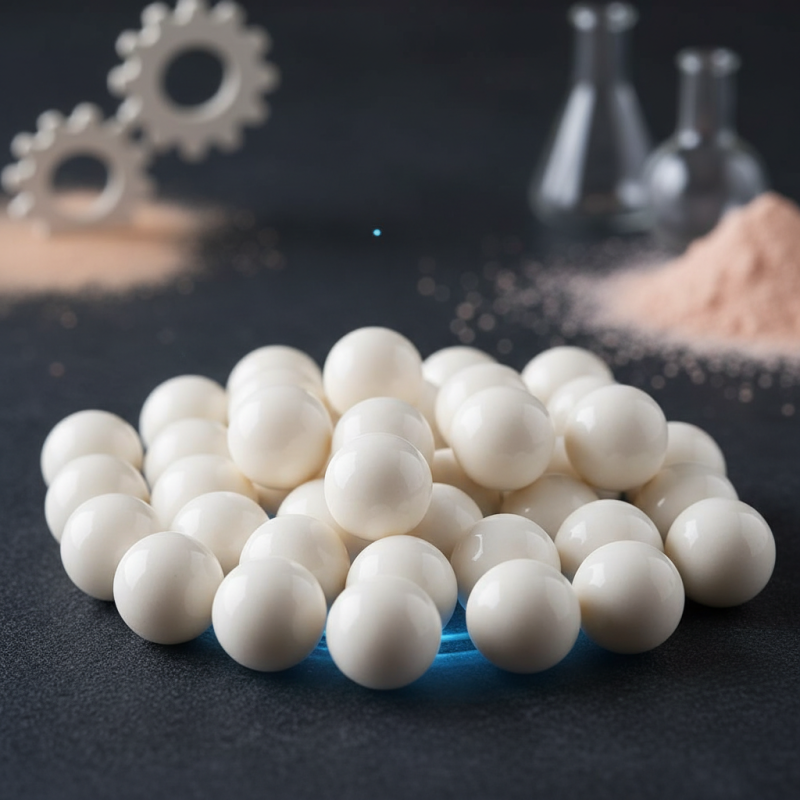
When considering materials for your next project, 95 percent zirconia beads stand out. Known for their exceptional hardness, these beads provide durability and longevity in various applications. Their resistance to wear makes them ideal for grinding and milling processes, ensuring a consistent output over time.
Zirconia beads offer minimal contamination during operations. This characteristic is essential in industries like ceramics and paints, where purity is crucial. The beads have a uniform size, which promotes effective dispersion and better overall performance in your formulations. Additionally, their high density allows for more efficient energy transfer during grinding.
When choosing zirconia beads, consider the specific requirements of your project. Ensure the size and density match your needs. A smaller bead might be suitable for fine grinding, while larger beads can handle coarser materials. Testing different sizes can help identify the best fit for your application.
Tips: Always evaluate the wear rate of the beads in your specific conditions. Consider running pilot tests before full-scale implementation. This allows you to analyze performance and make necessary adjustments. Each project has unique attributes, so customization may enhance outcomes.
Applications of 95 Percent Zirconia Beads in Various Industries
The use of 95 percent zirconia beads is rapidly gaining traction across various industries due to their unique properties. These beads are known for their exceptional hardness and resilience. According to a recent industry report, zirconia beads exhibit a comparative hardness of 1200 HV, making them suitable for high-impact applications. In pharmaceuticals, they facilitate precise milling processes, ensuring a consistent particle size for active ingredients.
In the field of coatings, 95 percent zirconia beads are ideal for producing fine textures. Their spherical shape aids in achieving uniform distribution during mixing, as supported by a study from the Coatings Technology Journal. This uniformity is crucial in applications like automotive paints where consistency determines quality. Unsurprisingly, industries continue to explore ways to optimize their use, prompting questions about long-term effects and cost-benefit ratios.
Furthermore, in the ceramics industry, these beads have transformed traditional milling methods. They ensure reduced wear and tear on equipment due to their toughness. However, some users have noted the wear rate can vary with the machine type. Understanding these variables is essential for effective application. The ongoing research highlights both the potential and the need for careful assessment in adopting these advanced materials.
Why Choose 95 Percent Zirconia Beads for Your Next Project? - Applications of 95 Percent Zirconia Beads in Various Industries
| Industry |
Application |
Benefits of 95% Zirconia Beads |
| Manufacturing |
Surface finishing and polishing |
High wear resistance and durability |
| Aerospace |
Component grinding and finishing |
Consistent performance under extreme conditions |
| Pharmaceutical |
Milling of active ingredients |
Non-contaminating and chemically inert |
| Food Processing |
Wet milling and grinding |
Safe for food contact and long life |
| Mining |
Grinding of minerals |
High density for effective grinding |
Comparison of Zirconia Beads with Other Grinding Media
When comparing zirconia beads with other grinding media, the differences become clear. Zirconia beads are more durable than steel or glass media. They resist wear and maintain their shape longer. This longevity leads to fewer replacements and less downtime.
Glass beads might be less expensive, but they wear out quickly. Steel beads can lead to contamination, affecting product quality. Zirconia beads, however, are non-contaminating. The higher density of zirconia offers better grinding efficiency. This feature is crucial for industries needing precise results.
Tips: Consider the material of your workpieces. If they are soft, choose zirconia beads for a smoother finish. Always check the specifications of beads for your specific application. Quality grinding media influences final product quality. Using high-quality beads is an investment in your project. Reflection on your choices can lead to better results.
Factors to Consider When Choosing Zirconia Beads for Your Project
When selecting zirconia beads for your project, several key factors come into play. The size and shape of the beads significantly influence their performance. For instance, smaller beads can offer finer grinding results but might require more time and energy. In contrast, larger beads can expedite the process but may not achieve the same degree of fineness. According to industry reports, optimal bead size ranges from 0.2 mm to 5 mm, depending on the application.
The hardness of zirconia is another important consideration. At 1200 HV (Vickers hardness), zirconia beads are among the hardest materials available, providing excellent wear resistance. This allows them to maintain their shape and consistency over time. However, the actual wear can vary based on factors such as the material being processed and the milling equipment used. Research indicates that companies using zirconia beads report a reduction in wear rates by up to 60% compared to glass or plastic alternatives.
Additionally, the cost-effectiveness of your project should be evaluated. While 95 percent zirconia beads offer superior performance, the initial investment might be higher. It's essential to conduct a thorough cost analysis to determine the long-term benefits versus short-term expenses. Understanding these nuances can enhance your choice of grinding media, tailoring it to your project needs.
Factors Influencing the Choice of 95% Zirconia Beads
Cost-Effectiveness of Using 95 Percent Zirconia Beads in Manufacturing
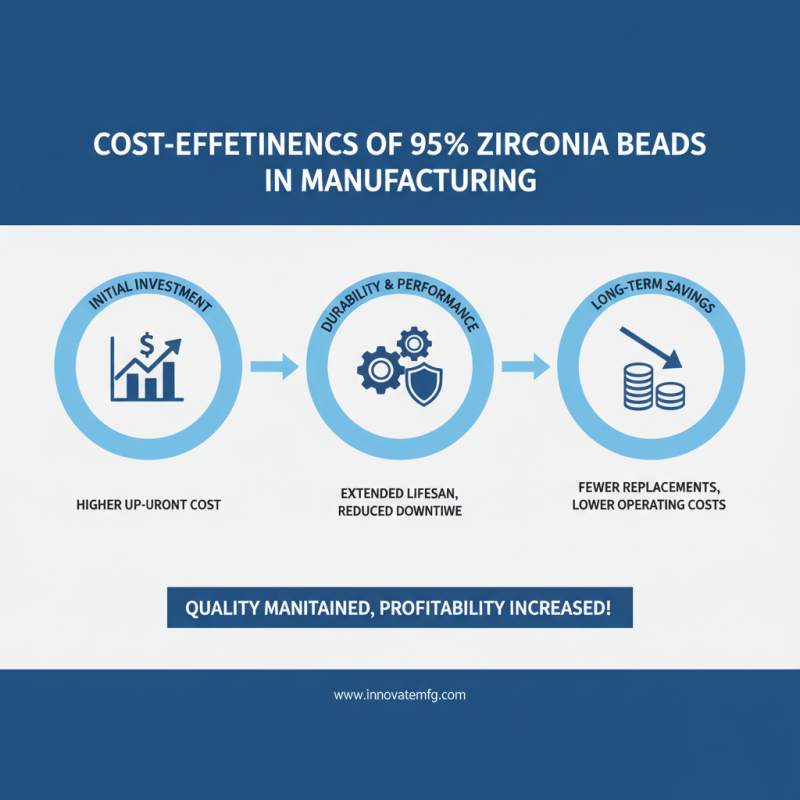
When it comes to manufacturing, cost-effectiveness is key. Using 95 percent zirconia beads can significantly reduce overall production costs while maintaining quality. These beads offer remarkable durability and performance, which translates directly into fewer replacements and repairs. The initial investment is often higher, but the long-term savings are undeniable.
It's important to assess the specific needs of your project. While 95 percent zirconia beads are efficient, not every application may benefit equally. Consider experimenting with a small batch first. This approach allows for valuable insights without a large upfront cost. You might find that the performance doesn't meet your expectations.
Tips: Regularly evaluate your material choices. This ensures you are not overspending on unnecessary features. Balance cost with performance for optimal results. Seek feedback from your production team as well. They often have insights that can guide your choice effectively. Each project is unique, and fine-tuning your material selection can lead to significant improvements.