Top 10 Uses of 95 Zirconium Beads in Modern Applications?
The use of 95 Zirconium Beads in modern applications has gained significant attention. These beads are known for their durability and resistance to corrosion. Their unique properties make them ideal for various industries. For example, in the biomedical field, 95 Zirconium Beads are utilized for enhancing the performance of medical devices.
In the realm of electronics, these beads contribute to improved conductivity. They have also found applications in cosmetics, where their properties enhance product formulations. Despite their many benefits, there are challenges in sourcing high-quality beads. Not all suppliers meet the necessary standards. This inconsistency can impact their effectiveness.
Understanding the top uses of 95 Zirconium Beads can guide future innovations. Companies must stay informed about advancements in this material. The evolving landscape of materials science may present new opportunities and challenges. Balancing performance with sustainability will be essential for the next generation of applications.

Applications of 95 Zirconium Beads in Advanced Manufacturing Processes
Zirconium beads, especially 95% zirconium, have gained popularity in advanced manufacturing processes. Their high melting point and resistance to corrosion make them ideal for creating durable tools. These beads can enhance the efficiency of grinding and polishing applications. They provide a uniform surface finish, crucial for high-precision components used in aerospace and automotive industries.
In 3D printing, 95 zirconium beads contribute to the production of intricate parts. They help achieve better layer adhesion and surface quality. Moreover, their lightweight nature reduces production costs. However, the market faces challenges. Some manufacturers struggle to maintain consistent quality in bead production. This inconsistency can lead to variability in finished products, impacting performance.
The use of 95 zirconium beads in solar panel manufacturing is growing. They improve the structural integrity of components. This application helps in producing more efficient energy solutions. However, sourcing raw materials remains a concern. The mining process can have environmental impacts. Manufacturers must reflect on sustainability while advancing their technology.
Role of 95 Zirconium Beads in Biomedical Device Fabrication
Zirconium beads, particularly 95% pure zirconium, are gaining traction in the biomedical field. Their unique properties make them suitable for various applications in device fabrication. Zirconium beads exhibit excellent biocompatibility, which is crucial for medical implants. According to the Journal of Biomedical Materials Research, these materials can significantly reduce the risk of adverse reactions in patients.
By utilizing 95 zirconium beads in manufacturing, engineers can create durable and lightweight components. These features are essential for implants like dental fixtures and orthopedic devices. The ability to customize the size and shape of zirconium beads enhances their adaptability in various devices. Recent studies indicate that the mechanical properties of zirconium enhance the structural integrity of implants, leading to better patient outcomes.
Tip: Always consider the purity level of zirconium used in your applications. Higher purity often correlates with improved performance and biocompatibility.
Another essential factor is the potential for surface modification. Modifications can enhance the functionality of zirconium beads. Techniques like coating with bioactive materials improve their integration with biological tissues. However, ongoing research is needed to assess the long-term stability of these modifications. With advancements in material science, the future looks promising for zirconium in biomedical innovations.
Tip: Collaborate with experts to explore the latest advancements in zirconium technology. Staying informed helps you make better material choices.
Top 10 Uses of 95 Zirconium Beads in Modern Applications
This bar chart illustrates the top 10 applications of 95 zirconium beads in modern biomedical device fabrication, highlighting their significant role across various fields in healthcare. Each application's usage percentage showcases the versatility and importance of zirconium beads in enhancing medical technologies.
Impact of 95 Zirconium Beads on Catalytic Reactions in Chemical Industries
95 Zirconium beads have gained traction in the chemical industry, especially in catalytic reactions. Their unique properties, such as high thermal stability and chemical inertness, make them ideal for use as catalysts. In various reactions, these beads enhance the efficiency and selectivity, which is crucial for producing fine chemicals. Their ability to withstand extreme conditions boosts their reliability in challenging environments.
One notable application is in hydrogenation processes. Zirconium beads help improve reaction rates while minimizing by-product formation. The surface area of these beads allows for better interaction with reactants. This interaction not only reduces energy consumption but also increases throughput. However, the high cost of zirconium can pose challenges for broader adoption.
The role of 95 Zirconium beads extends beyond just catalysis. They also facilitate the recycling of catalysts, contributing to sustainable practices in the industry. Nevertheless, the long-term environmental impact of their production is still under scrutiny. Continued research is essential to fully understand their implications and to optimize their applications.
Utilization of 95 Zirconium Beads in Jewelry and Decorative Items
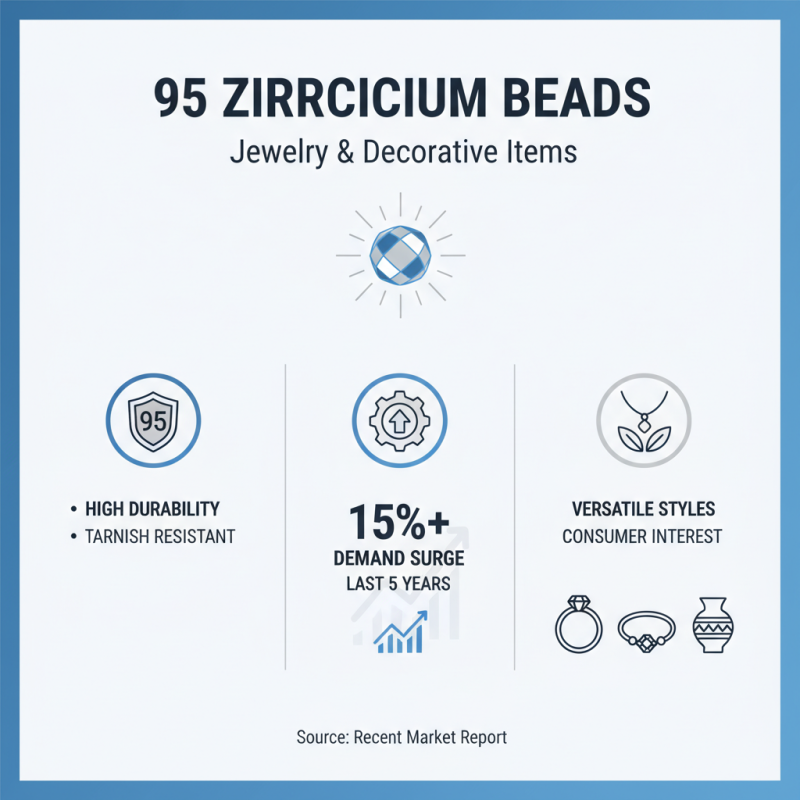
The use of 95 zirconium beads in jewelry and decorative items has gained attention for their unique properties. These beads are widely appreciated for their high durability and resistance to tarnishing. According to a recent market report, the global demand for zirconium in decorative applications has surged by over 15% in the past five years. This trend reflects both consumer interest and the versatility of zirconium in various styles.
Jewelry designers have increasingly embraced 95 zirconium beads. These beads are often chosen for their lustrous appearance, which can rival that of precious metals. Moreover, their hypoallergenic nature makes them suitable for sensitive skin. Industry studies highlight that a significant portion of consumers prefer non-allergenic materials. These beads meet that demand, enhancing their appeal in the market.
While 95 zirconium beads offer numerous benefits, challenges remain. Sourcing high-quality zirconium can be inconsistent. Variations in manufacturing processes may affect the final product's appearance and feel. Designers must remain vigilant about quality control. The demand for these beads, coupled with supply challenges, raises questions about sustainability in sourcing practices. Balancing these factors will be crucial for the future of decorative items using 95 zirconium beads.
Performance Characteristics of 95 Zirconium Beads in Energy Storage Systems
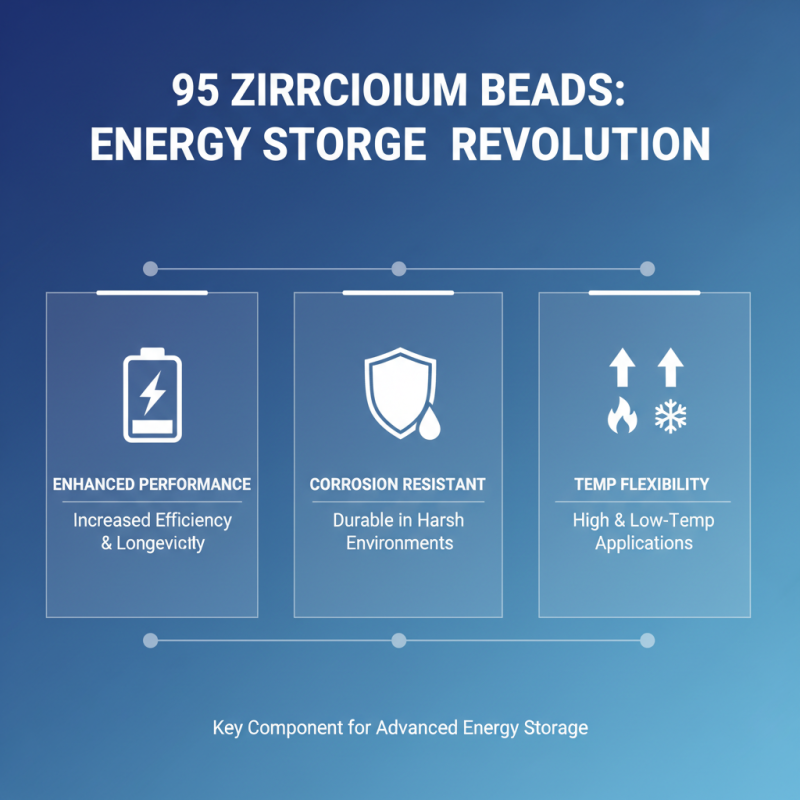
95 Zirconium beads are gaining attention in energy storage systems. Their unique properties enhance performance and efficiency. The beads exhibit high corrosion resistance, which is crucial for long-term use in various environments. These characteristics make them suitable for both high and low-temperature applications.
In battery technology, 95 Zirconium beads serve multiple roles. They can improve conductivity and stability. Their use in electrolytes boosts the overall energy density. This is vital as the demand for efficient energy storage grows. However, challenges still exist. Sourcing quality zirconium can be inconsistent, impacting product reliability. The manufacturing process also needs optimization to fully exploit their potential.
Additionally, while the thermal stability of these beads is impressive, it isn't flawless. Over time, under extreme conditions, some degradation can occur. This raises questions about longevity and consistent performance. Researchers continue to explore ways to address these limitations. The future of 95 Zirconium beads in energy systems appears promising, yet there's room for improvement.