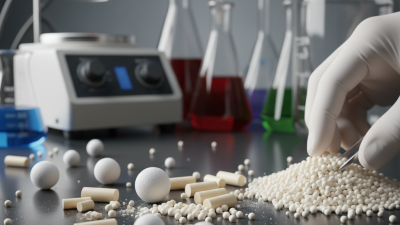
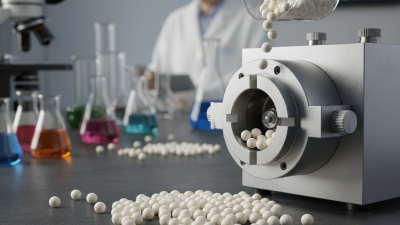
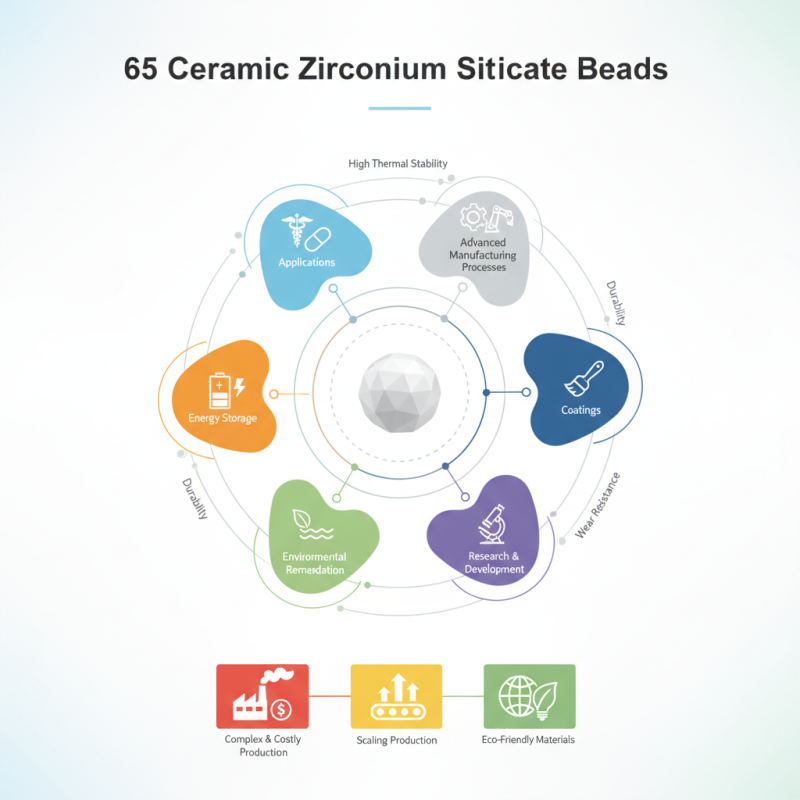
In the coming years, the demand for 65 Ceramic Zirconium Silicate Beads is set to rise significantly. Industry reports indicate that the global market for ceramic materials will surpass $200 billion by 2026. The versatility of these beads enhances their appeal across various sectors, from medical applications to advanced manufacturing processes.
These beads are known for their exceptional properties. They offer high thermal stability, durability, and resistance to wear. Industries are exploring innovative applications for ceramic zirconium silicate beads in energy storage, coatings, and even environmental remediation. Emerging trends show a push towards more eco-friendly materials, which boosts the relevance of these beads.
However, challenges remain. The production process of 65 Ceramic Zirconium Silicate Beads can be complex and costly. Scaling production while maintaining quality is crucial for industry players. Continual research and development efforts are vital to unlocking their full potential and addressing these manufacturing hurdles.
Ceramic zirconium silicate beads are versatile materials known for their durability and utility. These beads are composed of zirconium silicate, providing unique properties that enhance various applications. Their resistance to wear and chemical stability make them ideal for industrial processes, like milling and grinding. Many industries now recognize their potential.
When using ceramic zirconium silicate beads, consider the bead size you need. Smaller beads can improve grinding efficiency in fine milling applications. Be mindful of the balance between bead size and processing time. Overusing smaller beads might lead to inefficient results.
Keep in mind the importance of thorough cleaning and maintenance. Regularly inspect the equipment for wear and residues. This step ensures optimal performance and longevity of both beads and machinery. Understanding the material characteristics helps you make better choices for your specific applications.
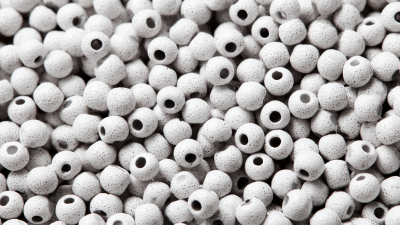
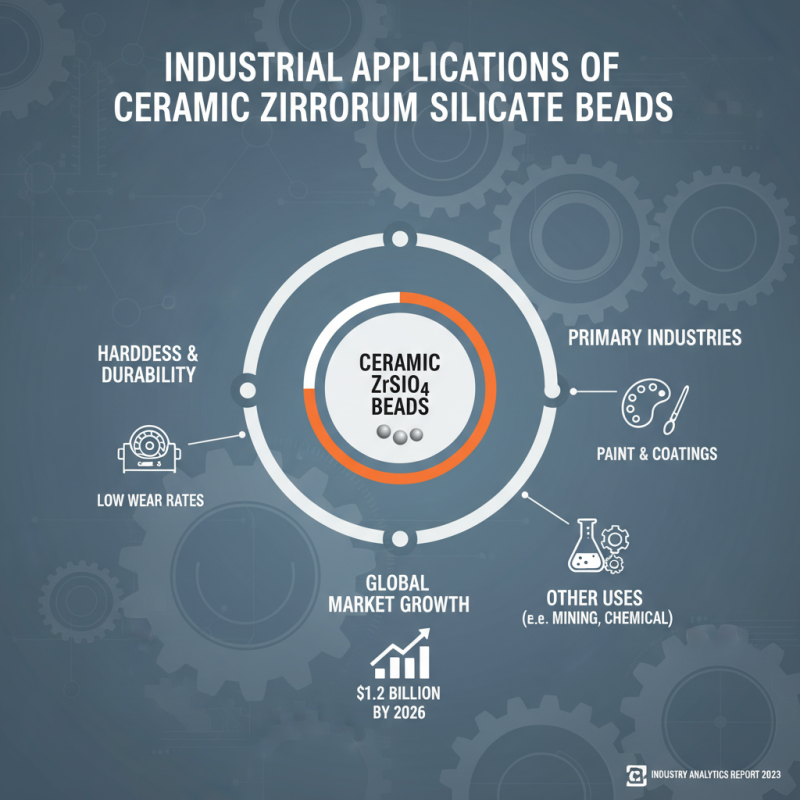
Ceramic zirconium silicate beads are increasingly essential in various industrial applications. These beads are valued for their hardness, low wear rates, and durability. According to a recent industry report, the global market for ceramic beads is projected to reach $1.2 billion by 2026, driven by their widespread use in sectors like paint, coatings, and cosmetics.
In the coating industry, zirconium silicate beads enhance the property of paints and varnishes. They offer superior durability and better finish quality. Studies show that using these beads can improve the grinding efficiency by up to 30%. In the cosmetics sector, these beads serve as excellent fillers and texturizers, promoting a smoother application of products. However, sourcing high-quality beads can be challenging, affecting production consistency.
While the potentials are significant, there are hurdles in adopting these materials across all industries. Not all manufacturers understand their benefits fully. Education about proper handling and use is needed. Production techniques and cost implications can vary, leading to inconsistencies in product quality. Thus, businesses need to weigh the benefits against these challenges during implementation. The future of zirconium silicate beads hinges on overcoming these obstacles.
Ceramic zirconium silicate beads play a crucial role in dental and medical fields. These materials are renowned for their durability and biocompatibility. In dentistry, they are commonly used for dental crowns, bridges, and other restorative applications. Their ability to mimic the look and feel of natural teeth makes them an ideal choice. Many dentists appreciate the translucency and strength these beads provide in various applications.
In medical devices, zirconium silicate beads are increasingly utilized for their non-reactive properties. They can be found in prosthetics and implants, enhancing patient comfort and safety. The beads' smooth surface reduces friction, decreasing wear and tear on tissues. Despite their advantages, some professionals express concerns over the long-term effects of using such materials in sensitive areas.
Tips: When considering ceramic zirconium silicate beads, research is essential. Ensure that your devices meet regulatory standards. Seek advice from dental or medical experts to discuss the suitability for specific uses. Regular follow-ups are important to monitor performance and patient reaction. Remember, innovation in material science is ongoing, and staying updated can enhance treatment outcomes.
Ceramic zirconium silicate beads have gained popularity in art and education. These beads are versatile and durable, making them ideal for various creative projects. Artists appreciate their array of colors and textures. They can be used in jewelry making, painting, and even sculpture. Working with these beads encourages hands-on exploration and creative expression.
In educational settings, ceramic zirconium silicate beads foster engagement. Students learn about materials science and design principles while having fun. Crafts involving these beads promote fine motor skills and critical thinking. However, some may struggle to integrate these beads into their curriculum effectively. Teachers must reflect on how to adapt lessons to meet diverse student needs.
Exploring their use in both art and education opens new avenues for creativity. Yet, the challenge lies in maintaining a balance between guidance and free expression. This can lead to richer learning experiences and artistic endeavors.
This chart illustrates the various applications of ceramic zirconium silicate beads across different fields, highlighting their versatility and importance in art and education.
Ceramic zirconium silicate beads offer significant environmental benefits. These beads are made from natural silica, which is abundant and non-toxic. Unlike plastic beads, they do not contribute to microplastic pollution. This quality makes them more sustainable for industrial and personal uses.
The durability of these beads means they have a longer lifespan. This reduces waste over time, as fewer replacements are needed. Additionally, their efficient performance in various applications means less energy consumption. This contributes to lower carbon emissions, promoting a cleaner environment. However, there should be a careful consideration of how these materials are processed. The production methods can impact their overall sustainability. Striking a balance between performance and environmental impact is essential for future innovations.
Using ceramic zirconium silicate beads can lead to a more conscious approach to material selection. Industries could greatly benefit from prioritizing these sustainable alternatives. Yet, ongoing research is necessary to fully understand the long-term effects on ecosystems. Engaging experts in environmental science can help navigate these complexities.
| Use Case | Environmental Benefit | Industry Application |
|---|---|---|
| Water Purification | Reduces heavy metal contamination | Environmental Science |
| Cosmetic Formulations | Minimizes chemical usage | Beauty Industry |
| Ceramic Coatings | Enhances durability, reducing waste | Manufacturing |
| Filtration Systems | Improves water quality, uses less energy | Water Treatment |
| Industrial Abrasives | Less material waste during production | Construction |
| Dental Applications | Biocompatible, reduces material allergies | Healthcare |
| Electronics Components | Reduced environmental impact from e-waste | Electronics |
| Textile Dyes | Less harmful chemicals, decreases pollution | Fashion Industry |