Top 10 Benefits of Zro2 Grinding Balls for Your Industry?
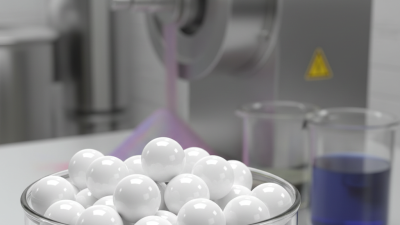
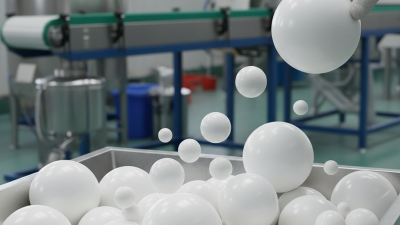
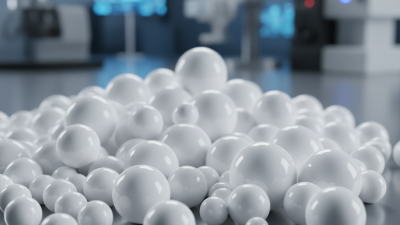
In today’s competitive industrial landscape, choosing the right grinding media is vital. Zro2 Grinding Balls emerge as a preferred option for many industries. These balls, made from zirconium dioxide, offer unparalleled strength and durability. They can withstand high-pressure operations, making them a reliable choice.
The benefits of Zro2 Grinding Balls are numerous. They provide exceptional wear resistance. This means longer life for both the balls and the milling equipment. Many users report a reduction in operational costs due to their longevity. Additionally, these grinding balls promote a higher level of efficiency in reducing particle size.
However, not all industries may fully understand their potential. Some might overlook the long-term savings. There is a need for more awareness about these benefits. Companies must consider their specific needs when selecting grinding media. Ultimately, choosing Zro2 Grinding Balls can lead to improved productivity and consistency in results.
Understanding ZrO2 Grinding Balls: Composition and Properties
ZrO2 grinding balls have unique properties that benefit various industries. They are made from zirconium dioxide, known for high toughness and wear resistance. This composition allows for finer grinding of materials, improving efficiency in processes. Data shows that ZrO2 grinding balls can increase milling productivity by up to 30%. Their low density contributes to less energy consumption during operations.
Another significant property is their high corrosion resistance. In industries like pharmaceuticals and ceramics, where contamination must be minimized, ZrO2 balls are ideal. They generate minimal wear debris, which is crucial for maintaining product purity. Studies indicate that using ZrO2 significantly reduces contamination levels compared to traditional grinding media.
Despite these advantages, challenges persist. The initial cost of ZrO2 grinding balls is higher than that of steel or glass options. This can deter some businesses from making the switch. Additionally, ZrO2 balls may not be suitable for all grinding applications, especially where extreme shock loads are present. Understanding the right application is vital for maximizing their benefits.
Top 10 Benefits of ZrO2 Grinding Balls for Your Industry
Enhanced Durability of ZrO2 Grinding Balls in Industrial Applications
ZrO2 grinding balls are gaining attention due to their enhanced durability. Industries demand longer-lasting materials to minimize downtime. Traditional grinding media often wear out quickly, requiring frequent replacement. In contrast, ZrO2 balls can withstand high impact and abrasive conditions. They offer a longer service life, reducing the overall costs of production.
These grinding balls are not only durable but also maintain their performance under various operational stresses. They resist chemical attacks that can degrade other materials. This chemical resistance is vital in industries like ceramics and pharmaceuticals. Ensuring consistent quality in these industries is crucial.
Tip: Regularly inspect your grinding media for wear signs. Early detection can prevent larger issues down the line.
Using ZrO2 grinding balls can lead to significant gains in efficiency. Their properties allow for faster grinding with less energy consumption. However, some might overlook the initial cost. It’s essential to weigh this against the long-term benefits.
Tip: Conduct a cost-benefit analysis prior to switching materials. You might uncover useful insights that can change your approach.
Cost-Effectiveness of ZrO2 Grinding Balls Over Time
ZrO2 grinding balls offer a compelling cost-effectiveness advantage over time. As industries seek more efficient grinding solutions, the durability of zirconia balls stands out. Research from leading materials journals states that ZrO2 balls can last up to 10 times longer than traditional materials like steel. This longevity translates directly into lower replacement costs.
Additionally, ZrO2 grinding balls exhibit excellent wear resistance. A study indicated they have about a 30% lower wear rate under similar conditions compared to alumina balls. This reduction helps companies save on both labor and downtime associated with equipment maintenance. Finding alternatives that are both efficient and long-lasting can be daunting. While zirconia may have a higher initial investment, the long-term savings often outweigh this upfront cost.
Another concern is their performance in various chemical environments. Reports highlight that ZrO2 balls perform well in corrosive conditions. This adaptability can prevent unexpected expenses in chemical processing industries. However, companies must assess their specific needs, as not every scenario might benefit equally from zirconia. Balancing performance and cost can prompt deeper evaluations of current grinding practices.
Environmental Benefits of Using ZrO2 Grinding Balls in Manufacturing
Zirconia (ZrO2) grinding balls are gaining traction in the manufacturing sector due to their environmental benefits. These balls are more durable than traditional materials. They reduce the frequency of replacement, thus minimizing waste. According to a study by the National Center for Manufacturing Sciences, ZrO2 balls can last up to 20% longer than ceramic counterparts. This longevity contributes to lower resource consumption and reduced production costs.
Using ZrO2 grinding balls also results in lower energy consumption. Reports suggest that they operate efficiently in high-energy mills. This efficiency translates to a 15% reduction in energy costs during operation. Additionally, their non-toxic nature is a significant advantage. Unlike metal grinding media, zirconia does not release harmful heavy metals into the environment. However, the initial cost of ZrO2 balls can be higher, leading some industries to hesitate. Balancing short-term costs with long-term benefits is crucial for effective decision-making.
Manufacturers are slowly recognizing these advantages. Data indicates a growing shift towards eco-friendly materials in the industry. A recent survey by the Environmental Protection Agency showed that 55% of manufacturers are transitioning to sustainable practices. The move to ZrO2 grinding balls reflects a broader commitment to reducing environmental impact. Yet, not all companies are equipped to fully embrace this change. Addressing these gaps is vital for a more sustainable future.
Improving Product Quality with ZrO2 Grinding Balls in Grinding Processes
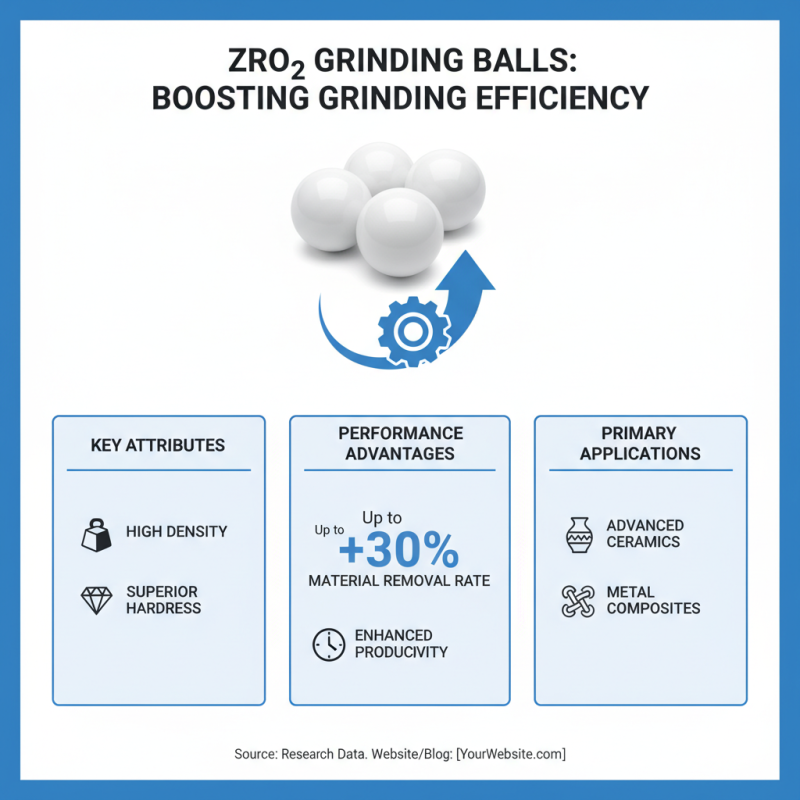
ZrO2 grinding balls offer significant advantages in various grinding processes. Their high density and superior hardness contribute to better grinding efficiency. Research indicates that ZrO2 balls can increase the material removal rate by up to 30%. This improved rate translates to enhanced productivity for manufacturing sectors, especially those focused on advanced ceramics and metal composites.
Utilizing ZrO2 balls can lead to notable improvements in product quality. The excellent wear resistance ensures minimal contamination during grinding. According to industry studies, the contamination level can drop by 50% compared to traditional grinding media. This reduction fosters a more consistent final product, which is crucial in highly specialized industries such as pharmaceuticals and electronics. However, some might find the initial investment in ZrO2 products daunting.
Moreover, ZrO2 grinding balls operate effectively in both wet and dry environments. This versatility allows industries to adapt their processes easily. However, challenges like higher costs and potential sourcing issues may arise. It's essential for industries to weigh these factors carefully. Ultimately, the decision should align with their quality improvement goals and operational standards.