Top 10 Benefits of Micro Zirconia Balls for Global Buyers?
In the competitive landscape of advanced materials, the significance of Micro Zirconia Balls cannot be overstated. Dr. Emily Chen, a leading expert in material science, emphasizes, "Micro Zirconia Balls enhance performance in applications where precision and durability are crucial." This statement captures the essence of their growing popularity among global buyers.
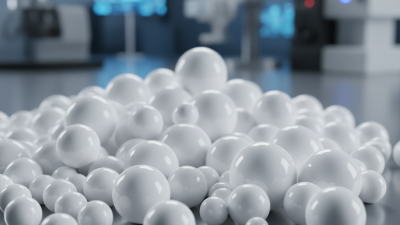
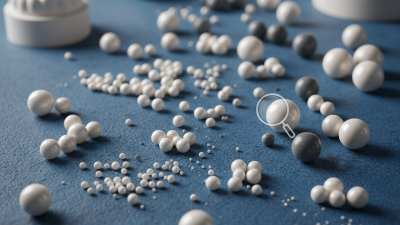
Micro Zirconia Balls offer numerous benefits across various sectors. Their unique properties make them ideal for applications in ceramics, coatings, and precision grinding. These balls are characterized by their high strength and resistance to wear, which leads to extended product life. Their lightweight nature also contributes to increased efficiency in manufacturing processes.
However, despite their advantages, some challenges remain. The production cost can be high, and quality control is essential. Buyers must be diligent in sourcing reliable suppliers to ensure consistent quality. Ultimately, the strategic use of Micro Zirconia Balls can yield significant competitive benefits, provided that potential drawbacks are carefully considered.

Advantages of Micro Zirconia Balls in Industrial Applications
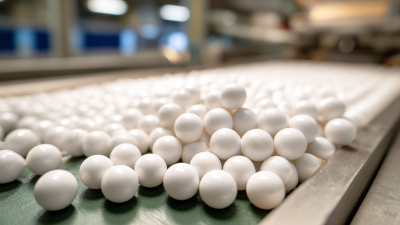
Micro zirconia balls have gained prominence in various industrial applications due to their unique properties. These small balls boast exceptional hardness and wear resistance, making them suitable for demanding environments. Their smooth surface reduces friction, enhancing the efficiency of machinery components. This feature is particularly beneficial in grinding and milling processes, leading to higher throughput and reduced downtime.
The versatility of micro zirconia balls extends to multiple industries, such as ceramics and electronics. Their chemical inertness means they do not react with most substances. This characteristic makes them ideal for use in sensitive applications, ensuring product integrity and consistency. However, handling these materials requires diligence. Even a small oversight in their processing can lead to defects or inefficiencies in the final product.
Moreover, the eco-friendly nature of zirconia contributes to sustainable manufacturing practices. Unlike some alternatives, micro zirconia balls minimize environmental impact. They also have a prolonged lifespan, reducing the need for frequent replacements. However, buyers should be cautious when selecting suppliers to ensure they meet quality standards. Ultimately, micro zirconia balls represent a blend of effectiveness and responsibility, but the need for careful consideration remains vital in their application.
Enhanced Durability and Strength of Micro Zirconia Balls
Micro zirconia balls have emerged as a popular choice in various industries due to their enhanced durability and strength. These small, yet powerful components resist wear and tear, making them ideal for high-stress applications. Their robust properties prevent deformation, ensuring longer service life. Users often find that investing in micro zirconia balls translates into cost savings over time. They reduce the need for frequent replacements and maintenance, thereby optimizing operational efficiency.
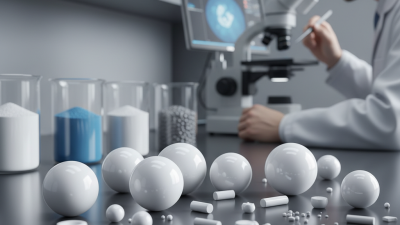
When choosing micro zirconia balls, consider testing their hardness and toughness. Not all suppliers maintain the same quality standards. A thorough evaluation can help in selecting the most reliable products. Keep an eye on wear patterns in your equipment. This can provide insights into the effectiveness of the zirconia balls you choose.
Micro zirconia balls are also versatile. They can be used in ceramics, coatings, or even as part of precision instruments. However, not all applications may benefit from their use. Matching the material properties with the specific needs of your project is crucial. Don’t overlook the importance of proper installation and handling. This can significantly impact their performance and longevity.
Top 10 Benefits of Micro Zirconia Balls for Global Buyers
This chart presents the top 10 benefits of micro zirconia balls evaluated on a rating scale from 1 to 10. These benefits range from enhanced durability to cost efficiency, showcasing the advantages of using micro zirconia balls in various applications.
Cost-Effectiveness of Using Micro Zirconia Balls for Buyers
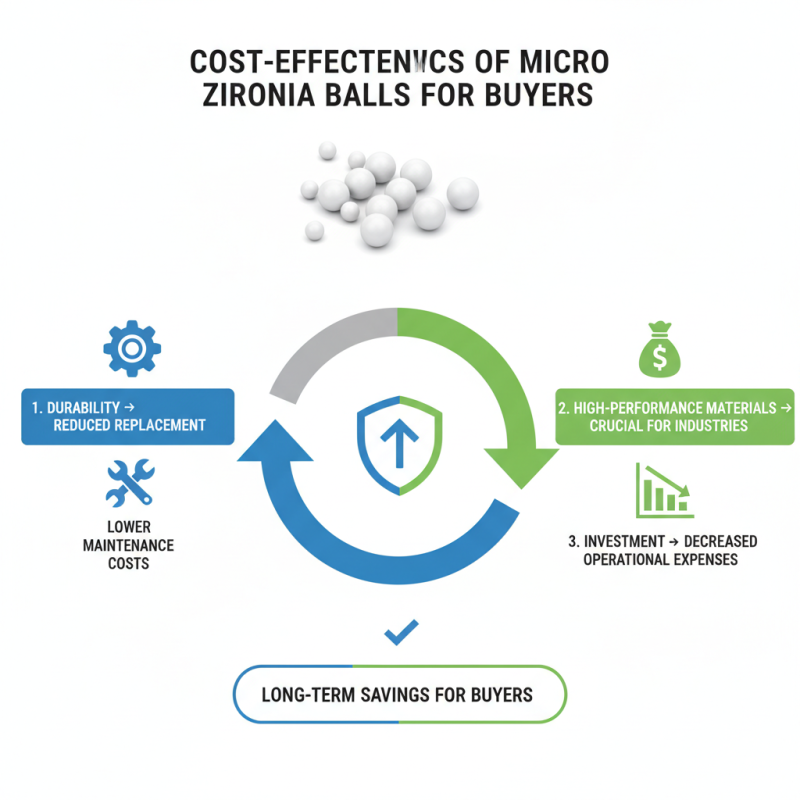
Micro zirconia balls have gained attention for their cost-effectiveness in various applications. Their durability can significantly reduce replacement and maintenance costs. This is crucial for industries that rely on high-performance materials. By investing in these balls, buyers can lower operational expenses in the long run.
Another point to consider is their versatility. Micro zirconia balls can be used in different processes, including milling and grinding. This adaptability allows companies to streamline their operations. They fit well in various machinery, maximizing productivity. However, careful evaluation of application needs is important.
While their benefits are clear, there's a learning curve involved. Some users may not fully understand the material's capabilities upfront. This could lead to miscalculations in procurement and usage. Therefore, thorough research and expert consultation are essential for optimal results.
Versatility of Micro Zirconia Balls in Various Industries
Micro Zirconia Balls have gained significant traction across various industries due to their remarkable versatility. These tiny spheres offer outstanding durability and chemical resistance, making them ideal for applications in ceramics, electronics, and pharmaceuticals. According to a report by Grand View Research, the global demand for zirconia materials is expected to reach $3.3 billion by 2027. This surge highlights how industries are increasingly relying on zirconia-based solutions for enhanced performance.
In the ceramics sector, micro zirconia balls are crucial for creating high-strength and lightweight products. Their resistance to wear and thermal shock makes them suitable for applications in manufacturing tiles and sanitary ware. Furthermore, in the electronics field, these balls aid in achieving high precision in the production of components, which is essential for the growing market of consumer electronics. A study from the Journal of Materials Science indicates that using zirconia can improve the lifespan of electronic devices by up to 30%.
While micro zirconia balls offer numerous benefits, there are challenges to consider. The cost of these materials can be higher compared to alternatives. Industries must weigh these costs against the quality and performance gains. Misjudging the necessity of micro zirconia might lead to overspending without significant benefits. Hence, a comprehensive evaluation is necessary to ensure an informed decision.
Environmental Benefits of Using Micro Zirconia Balls in Manufacturing
Micro zirconia balls are gaining traction in manufacturing due to their environmental benefits. According to recent industry reports, using these materials can significantly reduce waste and energy consumption. These balls last longer than traditional alternatives. This longevity contributes to lower maintenance and replacement costs over time.
A study by the Global Manufacturing Research Institute highlights that using micro zirconia balls can cut energy usage by up to 30%. This efficiency translates into reduced carbon emissions. Moreover, their use requires less water for cooling during processes. Manufacturers are increasingly recognizing their potential for more sustainable operations. However, the initial costs may deter some businesses.
Despite their advantages, there are areas for improvement. The recycling processes for micro zirconia balls are still not well-established. Without robust recycling solutions, the environmental gains may be offset. Companies must evaluate their entire supply chain when adopting new materials. Integration of micro zirconia balls is just one step towards improving sustainability in manufacturing.