2026 How to Source Zro2 Ceramic Ball 65% for Industrial Use?
In the quest for advanced materials, Zro2 Ceramic Ball 65% stands out in industrial applications. Its unique properties make it suitable for various sectors. Industries increasingly rely on high-quality ceramics for enhanced performance.
Sourcing Zro2 Ceramic Ball 65% requires careful consideration. First, understanding your specific needs is essential. Different applications may demand varying grades and specifications. Engaging with credible suppliers is critical. Doing thorough research can uncover reliable manufacturers.
In this dynamic market, the challenge persists. Not every supplier may provide genuine Zro2 Ceramic Ball 65%. Companies must verify quality and certifications. Cultivating relationships with experts can guide better decisions. Ultimately, informed choices lead to successful sourcing.
Understanding ZrO2 Ceramic Balls and Their Industrial Applications
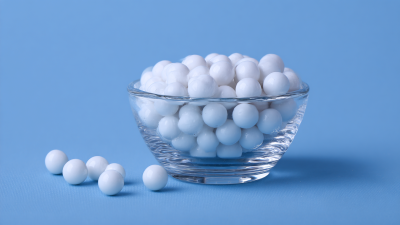
ZrO2 ceramic balls are engineered materials known for their exceptional mechanical properties. These balls are often used in various industrial applications, including bearings and grinding media. Their high hardness and wear resistance make them suitable for demanding environments. Industries like aerospace, automotive, and manufacturing benefit greatly from these unique properties.
When sourcing ZrO2 ceramic balls, it is essential to understand their composition. A 65% ZrO2 content indicates substantial strength and stability. However, sourcing can be challenging. Quality can vary significantly. Not all suppliers maintain strict production standards. It's crucial to ask for certifications and performance data.
Some users encounter difficulties with compatibility in specific applications. While ZrO2 might excel in one area, it may not perform well in others. Regular testing and evaluation are necessary to ensure optimal results. This ongoing assessment helps identify any shortcomings and areas for improvement.
Key Properties of ZrO2 Ceramic Balls for Industrial Use
Zirconia (ZrO2) ceramic balls are prized in industrial applications for their unique properties. These balls are known for their exceptional hardness, high wear resistance, and excellent thermal stability. With a 65% composition, they maintain a balance between toughness and brittleness. This makes them ideal for demanding environments, such as in grinding mills or as ball bearings.
Another key property is their low thermal conductivity. ZrO2 ceramic balls can withstand high temperatures without significant thermal expansion. This resistance is useful in processes that involve extreme heat, providing reliability and reducing the risk of failure. Additionally, these balls exhibit remarkable chemical resistance, making them suitable for a variety of corrosive environments. However, sourcing the right grade can be challenging due to variations in quality.
It’s essential to conduct thorough research when sourcing ZrO2 ceramic balls. The market can be inconsistent, with significant differences in manufacturing processes. Potential buyers should look for suppliers with proven expertise and a track record of quality. Understanding the specifications needed for specific applications is critical. Testing and quality assurance are vital steps that shouldn’t be overlooked. Balancing cost with quality can also be a difficult task.
2026 How to Source Zro2 Ceramic Ball 65% for Industrial Use? - Key Properties of ZrO2 Ceramic Balls for Industrial Use
| Property |
Value |
Unit |
| Density |
6.0 |
g/cm³ |
| Hardness (Mohs Scale) |
8.5 |
- |
| Fracture Toughness |
5.0 |
MPa·m1/2 |
| Thermal Conductivity |
3.0 |
W/m·K |
| Flexural Strength |
1000 |
MPa |
| Operating Temperature |
1200 |
°C |
| Color |
White |
- |
| Application Areas |
Aerospace, Medical, Industrial |
- |
Identifying Reliable Sources for ZrO2 Ceramic Balls
Identifying reliable sources for ZrO2 ceramic balls is crucial for industrial applications.
Zirconia (ZrO2) is known for its exceptional wear resistance and mechanical strength.
According to a report by ResearchAndMarkets, the global zirconia market is projected to reach over $3 billion by 2025.
This growth underscores the increasing demand for high-quality ceramic materials across various industries.
When searching for suppliers, examine their production processes. Quality assurance measures are vital.
Reliable sources should comply with ISO standards and provide certifications for their products.
It is essential to request samples before placing bulk orders. Testing these samples can reveal the material's performance characteristics,
such as hardness and fracturing behavior.
Another aspect is to check the reviews and feedback from previous customers.
Speak to industry peers to gather insights about their experiences.
Online forums and specialized trade shows can also provide valuable information.
However, nothing is foolproof. The variability between suppliers can lead to inconsistencies in product quality.
Continuous monitoring of supply chain practices is key to maintaining standards.
Evaluating Quality Standards for ZrO2 Ceramic Balls
When sourcing ZrO2 ceramic balls for industrial applications, quality standards are paramount. Evaluating these standards ensures you receive durable, high-performance materials. Start by assessing the purity of the zirconia used. The higher the purity, the better the ball's performance in demanding environments. Typically, a purity of at least 95% is desirable.
Another critical factor is the ball's density. Higher density often equates to improved strength and wear resistance. Look for density specifications that align with your specific industrial needs. Testing methods play a vital role as well. Ensure that suppliers use reliable testing protocols. These protocols should check for microstructure and mechanical properties.
It’s essential to communicate with potential suppliers about their quality assurance processes. Not all suppliers operate under the same standards. This discrepancy can affect the overall performance of the ceramic balls. Engaging with expert opinions or reviews can guide you in making informed decisions. Finding the right balance between cost and quality may require some experimentation. A reflective approach can lead to improved sourcing strategies in the long run.
Cost Considerations and Budgeting for ZrO2 Ceramic Ball Procurement
When considering the procurement of ZrO2 ceramic balls,
cost is a pivotal factor. Industry vendors often quote prices based on bulk orders, which can offer
significant savings. Setting a precise budget is crucial. Calculate your projected usage and
consider future demand.
Shipping and handling costs can add up quickly. Factoring these into your budget is essential.
Additionally, investigate suppliers in different regions. Prices may vary based on location and
market conditions. Beware of low-cost options that may compromise quality.
Quality assurance is vital. Always request material certifications before purchase.
Build relationships with suppliers for better pricing over time. A small supplier may be
more flexible. However, they might lack the capacity for large orders.
Balancing cost and quality is a challenging task that requires careful reflection. Investing in
ZrO2 ceramic balls is a
long-term decision.