How to Choose the Best Yttria Zirconia Beads for Polishing?
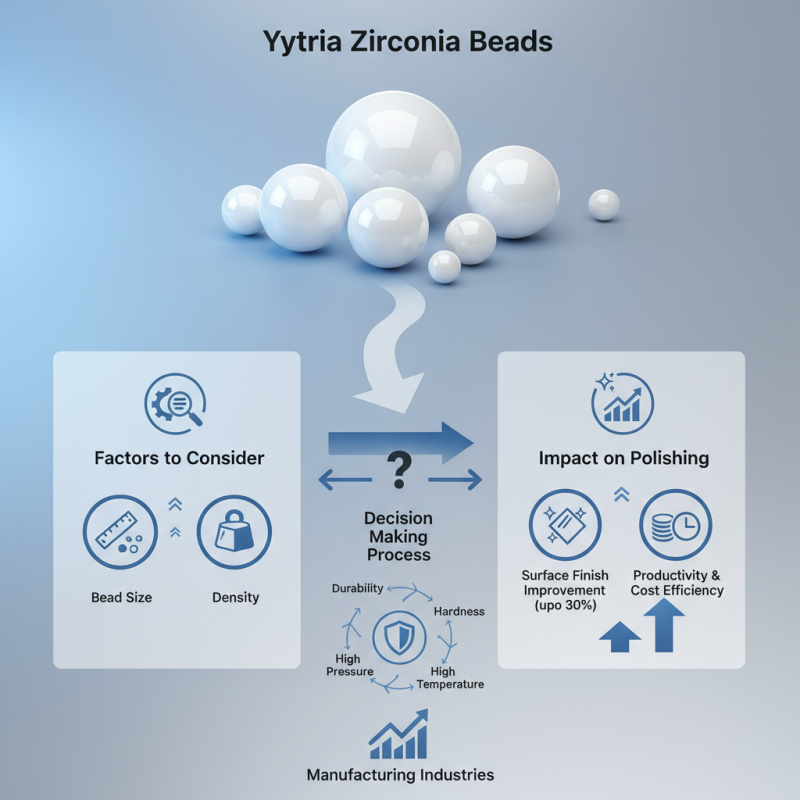
Choosing the right Yttria Zirconia Beads for polishing is crucial. Polishing is a significant step in manufacturing industries. The quality of the beads affects the end product. Recent industry reports show that the right polishing medium can improve surface finish by up to 30%. This highlights the need for careful selection.
Yttria Zirconia Beads stand out for their durability and hardness. They can withstand high pressures and temperatures. This makes them ideal for various applications, including ceramics and metals. However, not all beads are created equal. Some may wear out quickly, rendering them less effective over time.
Factors to consider include bead size and density. These characteristics affect the polishing efficiency and surface quality. Choosing the wrong type can lead to subpar results. Thus, industry professionals must take time to evaluate options. The right choice may lead to better productivity and lower costs. However, it’s a complex decision requiring thorough understanding and analysis.
Understanding Yttria Zirconia Beads: Properties and Applications
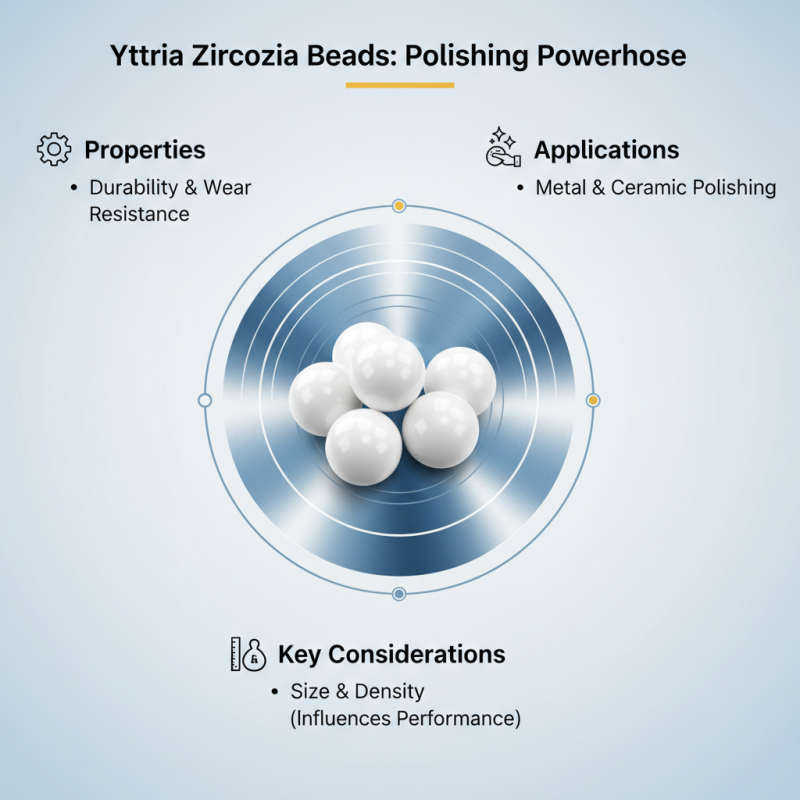
Yttria zirconia beads are essential in various polishing applications. Their unique properties make them ideal for achieving a high-gloss finish on different surfaces. These beads are known for their durability and resistance to wear, which enhances their effectiveness in polishing metals and ceramics. When using them, consider their size and density, as these factors influence the polishing performance.
The structure of yttria zirconia beads contributes significantly to their effectiveness. Their tough composition allows them to withstand high levels of stress during the polishing process. It is important to choose the right bead size for specific tasks. Smaller beads may enhance precision, while larger beads may be better suited for aggressive polishing. Balance is key; using the wrong size can lead to subpar results.
Some users report that finding the right blend of beads takes time. Experimenting with various combinations is often necessary. Be mindful of your specific requirements and the materials you are working with. Even slight variations can impact the overall outcome. This trial-and-error approach can be frustrating, yet it is crucial for identifying the most effective polishing solution.
Evaluating Different Sizes and Shapes of Yttria Zirconia Beads
When selecting yttria zirconia beads for polishing, understanding shape and size is essential. These beads come in various dimensions, affecting their performance. Larger beads cover more area and may be suitable for rough polishing. However, they can leave scratches on delicate surfaces. Smaller beads, on the other hand, offer finer finishes but take longer to achieve results.
Different bead shapes also play a crucial role. Spherical beads glide smoothly, reducing friction. This makes them effective for polishing even surfaces. Angular beads create more contact points, offering aggressive polishing. While they can remove material quickly, they may also risk damaging the substrate. Deciding between these options requires careful consideration of the task at hand.
Choosing the right size and shape is not always straightforward. Experimentation may reveal surprising outcomes. Maybe a larger bead will work better than expected, or a smaller one could be less effective. It's vital to test different combinations. Keep a record of results. This reflection helps refine your choices in future projects.
Yttria Zirconia Beads Size vs. Polishing Efficiency
This chart illustrates the relationship between the size of Yttria Zirconia beads and their polishing efficiency. As the bead size increases, the polishing efficiency also tends to improve, reaching a peak around 3.0mm.
Comparing Hardness and Durability Among Yttria Zirconia Beads
When selecting yttria zirconia beads for polishing, hardness and durability are crucial factors. Yttria-stabilized zirconia (YSZ) typically exhibits exceptional hardness. Data shows that its hardness can reach up to 1200 HV (Vickers Hardness), making it suitable for various applications. This hardness allows it to withstand significant wear during the polishing process, but it may not be adapted for all materials.
On the durability front, yttria zirconia beads offer remarkable resistance to fracture. In laboratory tests, they demonstrated lower breakage rates compared to conventional ceramic media. This quality is vital for longer polishing runs. Yet, it's essential always to consider the specific requirements of your materials. Overly hard beads might cause damage to softer substrates.
Tip: Evaluate your polishing needs. Hardness is not always the best choice. Sometimes, a softer bead optimizes surface finish.
Another point to consider is the bead's density. High-density beads often deliver better energy transfer during the polishing process. Yet, this can contribute to higher costs. Weigh these factors against your budget and application.
Tip: Perform trial polishing with different bead types. This allows for a clear understanding of performance variations in real-world conditions. Observing results can refine your choice significantly.
Assessing Compatibility with Various Polishing Equipment
When selecting yttria zirconia beads for polishing, compatibility with your equipment is crucial. Different machines have unique requirements. Some beads are better suited for high-speed devices, while others work well in slower setups. Identify your machine's speed and pressure settings. This information is essential for effective polishing.
Pay attention to bead size too. Larger beads might not fit in tighter spaces, impacting performance. Conversely, smaller beads may not deliver the same efficiency in larger equipment. It’s also important to consider the material being polished. Harder surfaces may require more durable beads. Test combinations to find the optimal pairing.
Flexibility in choices is important. Sometimes, an unexpected combination works best. Experimentation may lead to surprising results. It's a journey of trial and error, where perfect matches are not guaranteed. Rethink your approach based on outcomes and adjust your selection criteria. Balancing compatibility with performance is key to achieving superior polishing results.
Cost Considerations and Sourcing Tips for Yttria Zirconia Beads
When selecting yttria zirconia beads for polishing, cost is a crucial factor. Prices can vary significantly based on quality and supplier. Higher quality beads often lead to better polishing results but come at a premium. It is vital to balance quality with budget constraints. You may find lower-cost options, but they might not perform as effectively. Insufficient performance can lead to more frequent replacements, negating initial savings.
Exploring sourcing options can further impact costs. Local suppliers might offer convenience, but online platforms often have better deals. Research different suppliers thoroughly. Pay attention to reviews and return policies. Buying in bulk can also lead to better pricing, but ensure you have a clear understanding of the product specifications. Take note of how the beads are packaged. Poor packaging can cause damage during transit.
As you navigate these choices, reflect on your prior experiences with polishing materials. Did your previous bead choice meet your expectations? Learning from past mistakes is crucial. Sometimes higher initial costs yield significant long-term savings. Take time to assess all factors before settling on a purchase. The right choice now can enhance your polishing efficiency and save costs down the line.