How to Buy 95 Zirconium Beads for Your Industry Needs?
When it comes to industrial materials, 95 Zirconium Beads are in high demand. Known for their durability and heat resistance, they play a crucial role in various applications. Industries ranging from electronics to aerospace utilize these beads for their unique properties. Selecting the right supplier is important, especially when quality matters.
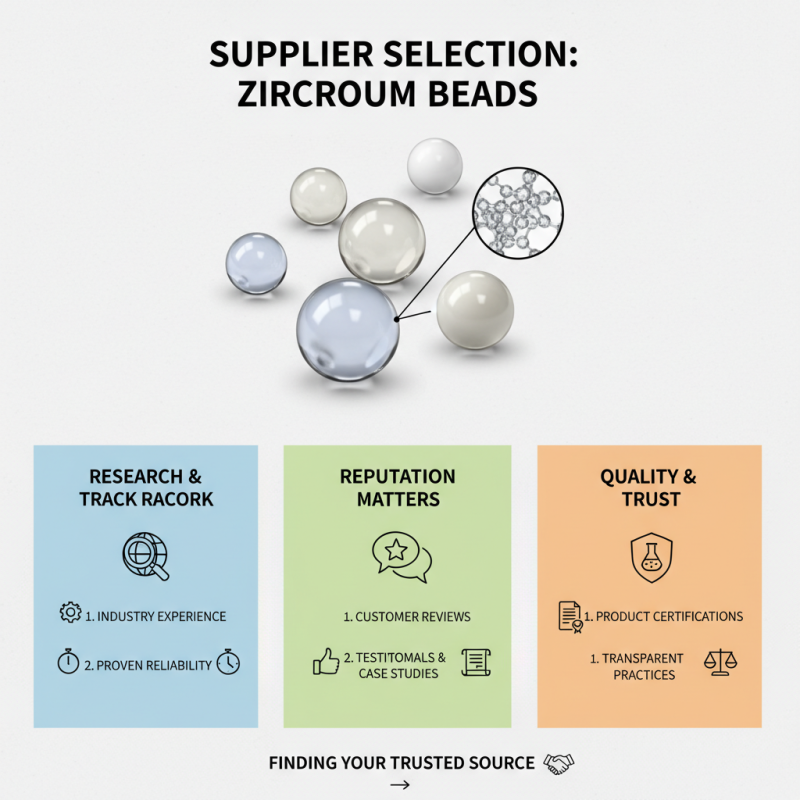
Many buyers face challenges in finding reliable sources for 95 Zirconium Beads. It is essential to ensure that the beads meet industry standards and specifications. Not all suppliers provide consistent quality, which can lead to production delays. A thoughtful approach is necessary when evaluating potential vendors.
Moreover, understanding your specific needs will guide your purchase. Consider factors such as size, quantity, and delivery times. Seeking expert advice can improve decision-making. However, be careful of suppliers who promise too much. Take time to research and validate their credibility. In an industry where precision is key, making informed choices will yield better results.

How to Determine the Required Quantity of Zirconium Beads for Your Application
When it comes to determining the required quantity of zirconium beads for your application, a few key factors come into play. First, assess the specifics of your project. Consider the operational environment, longevity requirements, and any additional materials you may be using. Each of these elements can significantly influence how many beads you will need.
Next, factor in the density and size of the beads. Different applications might require varied dimensions and weights of zirconium beads. For example, a surgical application may demand finer beads, whereas industrial uses could need larger sizes. If you overlook these details, you could end up with either a surplus or a shortage.
Finally, think about testing and scaling. Start small with an initial quantity that reflects your estimates. Monitor performance meticulously. If the results fall short, be prepared to reassess your calculations. This iterative process is essential. You may need to adjust your estimates based on real-world feedback. Achieving the right balance can be challenging, but a careful approach will lead to more effective usage of zirconium beads.
Factors to Consider When Choosing Zirconium Beads for Industrial Uses
When choosing zirconium beads for industrial purposes, several factors come into play. The size and shape of the beads matter significantly. For example, if you need high precision, opt for smaller beads. Larger beads, while easier to handle, may not meet all precision requirements. Consider the material's properties and how they align with your application demands.
Another crucial aspect is the bead's density. A denser bead can provide more durability but may impact performance in specific environments. Ensure you understand the requirements of your specific application to make the best choice. Some beads may react differently under various conditions, which can affect their longevity.
Tips: Always check the manufacturer's specifications. Understanding the quality of materials used is vital. It’s wise to request samples before making large purchases. This can save time and ensure compatibility with your processes. Balancing cost and quality is often a challenge. Don't compromise quality for price, as this can lead to long-term issues and increased costs. Stay informed and research thoroughly before deciding. Remember, every choice should reflect your operational needs.
Quality Standards and Specifications for Zirconium Beads in Industry
When purchasing zirconium beads, understanding their quality standards is crucial. These beads are often used in industrial applications, where precision and durability are key. Typically, zirconium beads must adhere to specific size, density, and purity levels to ensure optimal performance in various processes.
Tips: Always verify the purity of the zirconium content. This can significantly affect the bead's performance. Also, consider the manufacturing process; a consistent method ensures uniformity across batch production.
Moreover, it's essential to review product specifications available from suppliers. Not every bead labeled as zirconium meets the same standards. Small variations can lead to big differences in results. Be proactive in requesting detailed technical data sheets to avoid potential complications later on.
Tips: Look for certifications from reputable organizations. This ensures the beads meet recognized industry standards. Inquire also about the supplier’s return policy; understanding this can help mitigate risks.
Cost Analysis: Budgeting for 95 Zirconium Beads in Your Project
When budgeting for 95 zirconium beads, it's essential to analyze various cost factors. Industry reports indicate that zirconium prices have fluctuated, averaging around $200 to $400 per kilogram in recent years. This variance can significantly impact your project's total budget, especially if you're purchasing in bulk.
The production cost also plays a critical role. Manufacturing processes for zirconium beads can involve various techniques, influencing the final price. On average, labor and material costs constitute 50-60% of the net price. You may encounter unexpected costs, such as shipping and handling fees, that weren't included in initial estimates.
When planning your budget, it’s wise to review supplier quotes carefully. Some suppliers may offer lower initial prices but add hidden fees later. Always read the fine print. Additionally, consider the bead specifications you need. Standard sizes are often cheaper, but custom sizes may require a larger investment. Understanding these details can save you money and ensure a smoother procurement process.